 There is a myth we as a nation sometimes believe. It is, the loudest, the angriest, or snarkiest voices are the only ones that are heard, or worth listening to. Pollsters will advise elected officials on this – they say one of the most important things lawmakers can do when confronted with tough issues is to express outrage. And so when addressing a tough or polarizing issue, you’ll often see lawmakers take to the House floor or cable news talk shows to pound his or her fists on a desk and say, “this is an outrage!”
In these moments, there is no real conversation about what went wrong or how we can get to work on changing the culture of polarization. It’s just a bunch of angry politicians and pundits fueling their own fire, as if expressing outrage is the end solution, while the actual problem gets swept under the rug.
I believe in passionate discourse. But sometimes those in government cross the line from passionate discourse into pointless, partisan din. I don’t think that this is what many Americans want to hear. In fact, I believe what many Americans want is for Washington to stop talking, and start listening.
This is where our government could take a cue from a group of Americans that I would describe as quiet citizens, or the “silent America.” You may not hear them speak up as often as the more vocal citizens who play such an important and active role in our democracy, but the voices of quiet citizens can be just as critical to the national conversation about America’s future. This week, as I was sitting down reading through the numerous letters and emails I get from these citizens every day, I was struck by what a valuable example they set for Washington on how to approach the challenges we face. Here’s what I mean:
Silent Americans are observers. They read or listen to the news – sometimes CNN, sometimes Fox News, sometimes NPR, or the Richmond Times-Dispatch or The Virginian-Pilot. They like to stay informed, so they absorb conversations on current events with coworkers or friends.
These Americans do participate in democracy. They stand in line to vote. They often attend city council meetings. They volunteer at their children’s school or serve at their church. They pay their taxes and they are active in their community groups. Their quietness doesn’t mean indifference. They want government to work – and they may even have strong opinions about how it should work. But they’re not interested in hearing shouting for shouting’s sake. They want substantive conversation instead of talking points. They want to know why decisions are made, instead of simply being told that a decision was made. They want their elected leaders to be thoughtful, rather than scripted. They want to know government leaders are thinking about the future, while staying grounded on a strong foundation of the past.
They don’t want government to be loud. They just want government to work.
In thinking of these Americans, I am reminded of an important truth that has echoed throughout our nation’s history that would help in busting the myth that Washington should be loud: sometimes the most important conversations don’t happen on a podium. Loud, angry bickering – like we’ve heard from Washington for years – can be paralyzing. In many ways, it has been for our nation.
This is not to say our nation’s challenges don’t warrant frustration and loud voices from its citizens. Passion and activism and the power of the people’s voice is what makes the American experiment unique. It’s what makes it work. We need Washington to match the energy, dedication, and passion for solutions that we see in these citizens. But the quiet citizens are a reminder of another important ingredient in our nation’s representative process. That is, to fully participate in a representative democracy, we need a robust marketplace of ideas, and we need to use those ideas to create conversation, dialogue, and debate.
Maybe you are one of the quieter citizens, the silent America. Maybe you find yourself listening and observing, or maybe you find yourself frustrated at all of the angry noise in Washington. Remember that you are an important part of our democratic process, and your voice has value. I want to hear from you: http://forbes.house.gov/contact/. The ideas, insights, and innovative solutions that I get from reading your emails and letters are invaluable. The truth is, we need the quiet thinkers as well as the passionate and the active. But most importantly, we need government to stop shouting and start listening – to all Americans. We need thoughtfulness, not just talking points. We need discussion, new ideas, discovery, and the knowledge of our history. We need all of this to continue building a nation that continues to provide hope to the world.
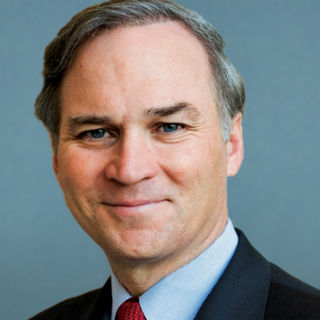
Randy Forbes represents Virginia’s Fourth District in Congress.


 Share
Share