Manure pits are essential to many farm operations, but gases from them can be toxic, incapacitating and sometimes deadly.
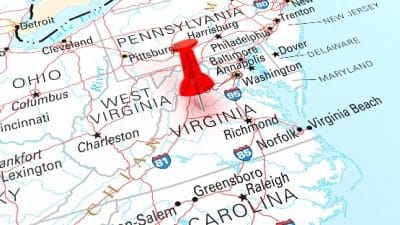
Four family members and a farm employee in Rockingham County were killed by methane gas poisoning during enclosed manure pit maintenance in 2007. A similar incident happened in Ohio last summer, killing three.
These losses resonate in the dairy community, and it shouldn’t take another tragedy to be reminded to always practice manure pit safety, said Jeremy Daubert, Virginia Cooperative Extension dairy agent in Rockingham.
Hydrogen sulfide is a heavy gas that stays at the bottom of the pit, he explained. “But when it’s agitated and stirred up a little bit, you’ve got to be more careful.”
Daubert recalled how, while working at a dairy years ago, he saw a child pass out while riding a bike near a manure pit when heavy gases settled low to the ground.
Some of the most dangerous gases include carbon dioxide, which is odorless and can cause dizziness and shortness of breath; methane, which also is odorless and has the potential to be explosive; and hydrogen sulfide, which smells like rotten eggs and can be deadly if breathed in enclosed pits without ventilation.
That invisible hazard is kept in mind at Home Place Dairy, said fourth-generation dairy farmer Conrad Goering. He is tasked with emptying the Rockingham farm’s three manure pits a couple of times each year.
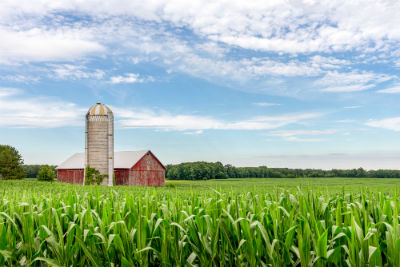
The manure is spread on farm fields used to grow hay, rye, triticale, corn and barley. Reservoirs hold the manure produced by 200-plus cows until the ground is thawed and ready to absorb the nutrients.
“Whenever we stir up the pit, we try not to hang out in the hollow down there, because the gas will find the lowest spot,” he said. “In the old days, you’d have to get out and stand on the wall and run the controls.”
Now, the farm is equipped with a manure spreader that agitates and pumps the fertilizer by remote control from a tractor cab.
“I can stay in the tractor and not be near the pit,” Goering said. “That’s how technology is keeping us safer.”




 Share
Share

AFP