Inside a 100-year-old former YMCA, researchers from Virginia State University are discovering which techniques for indoor farms work best in an urban environment—and hoping to help reduce the problem of food deserts in American cities.
“This is the future of farming. I believe that indoor farming coupled with traditional, outdoor methods is the wave of the future,” said Duran Chavis, VSU indoor farm project director.
The old Harding Street Community Center is on a street filled with empty lots where buildings have been torn down. Solar panels on the roof generate up to 40,000 kilowatts of free energy, and vertical garden columns are already producing fresh vegetables. LED light fixtures will replace the hot and expensive lights typically used to grow crops indoors. Aquaculture tanks are next, to provide protein for consumers and irrigate and fertilize the indoor crops.
VSU won a $1.5 million grant from the U.S. Department of Agriculture in 2012 to start the research program. Chavis said the program has special meaning to him because Petersburg, his hometown, is considered one of the worst food deserts in Virginia. The USDA defines a food desert as a location without easy access to fresh and nutritious foods for all its residents.
“The city of Petersburg has grocery stores, but they all exist on the fringes of the city. And within the city, it’s very difficult for residents to get access to healthy, fresh vegetables. So our work is not only to grow food and show how well it can grow indoors, but also to get that food into the community,” Chavis said.
He and the VSU research team are testing ways to raise food indoors more efficiently—in a setting not that different from other empty warehouses and industrial buildings nearby.
“Petersburg is an example of a town that used to be really focused on warehousing a lot of local agricultural products, whether it was peanuts or cotton or tobacco. So the infrastructure for the city is filled with warehouses. Those represent a unique opportunity for repurposing.
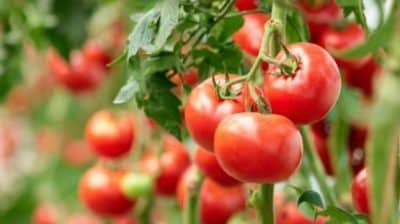
“We’re not in here growing bok choy. We’re in here growing greens, lettuce, kale. We’re growing tomatoes. These are the things that the people in the community actually want and actually will eat.”
Chavis said future plans for the Petersburg Indoor Farm include making it a distribution hub for local foods brought into the city, as well as offering cooking classes for residents who want to prepare healthy, nutritious meals.



 Share
Share

AFP