Dear EarthTalk: Our forebears decimated the great wild bison herds of the 1800s. Are those remaining today endangered? If so, what are we doing about it? – M. Nadler, Atlanta, GA
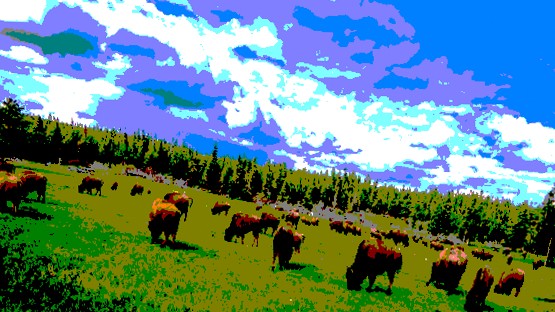
Just 150 years ago, 30 million American bison inhabited the Great Plains. However, the species almost went extinct after white frontiersmen moved westward in the 1800s, bringing cattle that spread diseases to bison and altering terrain to build towns, farms and pastures. In 1871 and 1872, hunters killed some 5,000 bison every single day. By 1884, there were little over 300 bison left in the United States.
Bison were vital to Native American societies, which used them for food, clothing, shelter, tools and ceremonies. They maintained a thriving relationship with bison because they hunted in moderation and utilized every part of the bison. And bison were critical to the local ecology. They fertilized the vegetation and ate tall plants, allowing the growth of shorter nutritious grass, which the black-tailed prairie dog relied on as a main source of nutrition. The decline of the bison hurt the prairie dog and other living beings.
Thanks to preservation organizations and private citizens, bison were spared from extinction. In the late 1800s, ranchers captured bison and began breeding their own herds. National parks also helped protect and repopulate bison. The Lacey Act of 1894 was enacted “to protect the birds and animals in Yellowstone National Park, and to punish crimes in said park, and for other purposes.” In 1905, the American Bison Society (ABS) was formed, with U.S. President Theodore Roosevelt as honorary president. He used his authority to help the ABS obtain land and promote bison reintroduction projects, and the bison population rose to roughly 12,000 by the 1920s. More recently, the American bison has made a huge comeback. The U.S. Fish & Wildlife Service puts their numbers at “approximately 20,500 Plains bison in conservation herds and an additional 420,000 in commercial herds.” Because their numbers are stable, they are no longer classified as endangered!
Scientists and preservation groups continue working to ensure the bison’s survival. Some public interest organizations, such as Earthjustice, have been defending bison on the legal front. In 2012, Earthjustice defended the transfer of wild bison from Yellowstone to indigenous Fort Peck and Fort Belknap Reservations, in spite of cattle interest groups’ attempts to block such efforts. In 2022, the Bureau of Land Management approved a proposal to allow bison to graze on 63,000 acres of public lands in Montana. This decision is being defended by Earthjustice’s litigation. Hundreds of bison are being transferred to Native American reservations every year in an effort to make reparations to the indigenous tribes that were unjustly stripped of a species so indispensable to their traditions and lifestyles. Today, approximately 82 American and Canadian indigenous tribes have close to 20,000 bison in 65 herds.
Bison still have challenges, such as the spread of brucellosis, which causes abortions, infertility and lowered milk production. Scientists are still trying to find a cure. Tourists have also created problems. Bison calves that make contact with humans can be rejected by their herd, and are often euthanized after such abandonment. But despite this turbulent history, bison numbers are expected to continue to grow, thanks to the work of preservation organizations, government and legal agencies, and individuals!
CONTACTS: How We Helped Bison Make a Huge Comeback, earthjustice.org/feature/bison-recovery-prairie; USFW Plains Bison, fws.gov/species/plains-bison-bison-bison-bison; Brucellosis and Yellowstone Bison, aphis.usda.gov/animal_health/animal_dis_spec/cattle/downloads/cattle-bison.pdf.
EarthTalk® is produced by Roddy Scheer & Doug Moss for the 501(c)3 nonprofit EarthTalk. See more at emagazine.com. To donate, visit earthtalk.org. Send questions to: [email protected].


 Share
Share