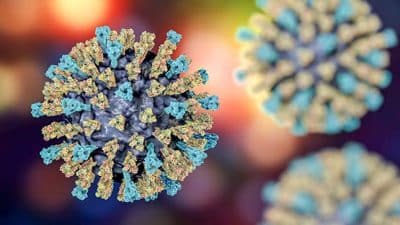
Dear EarthTalk: Could climate change really be making my allergies worse?
– L. Pulaski, New Bern, NC
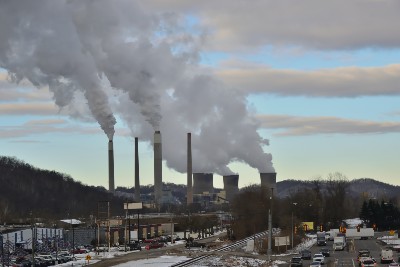
Pollen may be an unfortunate contributor to poor health in the first place, but there are signs that this nuisance will become worse. Warm weather contributes to an uptick in pollen count, and air pollution can concentrate it. Climate change is now a known contributor to changes not only in the seas and atmosphere but also modifying the life cycles and even biological processes of everyday plants.
In fact, carbon dioxide pollution is especially pernicious in this regard. Not only does it cause the vast majority of global warming in general, but it also has a strong connection with allergens. Plants grow bigger in the presence of more carbon dioxide, a potent greenhouse gas. In the process, they produce more flowers with greater amounts of pollen. Combining larger plants, more flowers and more pollen means longer allergy seasons.
Furthermore, some plants will produce more pollen when they are concentrated in urban “heat islands” which trap and concentrate heat. Examples of plants affected by this include poison ivy and ragweed. Poison ivy grows in greater abundance and larger sizes. It also produces more irritants such as the chemical urushiol in these conditions. Ragweed produces more pollen when temperatures rise and possibly even produces more irritants then as well.
Another type of irritant we need to worry about is mold, especially in household materials such as walls or insulation materials. Persistent mold exposure can result in infection and other breathing troubles. Carbon dioxide production, fluctuating moisture levels and temperature shifts—all typical of our new climate—enable mold growth even more.
The pernicious grip of allergies on human health has been around for millennia, but it takes little imagination to understand that this budding health crisis will become increasingly insidious. The research clearly shows that pollen seasons are lengthening.
While reducing climate change will take concerted global effort, there are some ways we can reduce the impact of allergens on our own health. For starters, try landscaping with trees that produce less pollen, such as female trees and bushes when landscaping. Ways to support policy and civil society initiatives include donating to asthma and allergy research centers such as the Asthma and Allergy Foundation of America to help understand further causes plus mitigation. Understanding what triggers allergen production and how we are affected by it will help everyday people live healthier, happier lives.
Allergies may be worsening, but losing hope over the climate change fight as a whole would be a wrong turn. Allergy shifts are simply a difficult wakeup call to invest in further climate efforts. Reducing emissions will lessen the production of greenhouse gasses that lead to warming temperatures and pollen production.
CONTACTS: Extreme Allergies and Climate Change, aafa.org/extreme-allergies-and-climate-change/; Anthropogenic climate change is worsening North American pollen seasons, pnas.org/doi/10.1073/pnas.2013284118.
EarthTalk® is produced by Roddy Scheer & Doug Moss for the 501(c)3 nonprofit EarthTalk. See more at emagazine.com. To donate, visit earthtalk.org. Send questions to: [email protected].


 Share
Share