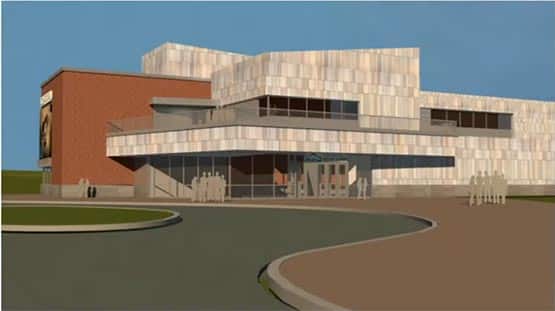
The key to the redevelopment and revitalization of Downtown Waynesboro may hinge on the successful completion of a planned $36 million natural history museum, according to the city’s director of economic development and tourism.
In a presentation to Waynesboro City Council on Monday night, Greg Hitchin said the museum will be a “spark for some of the derelict and blighted buildings we have in the downtown area.”
“I’ve had more than one building owner say when I see dirt move on the museum, I’ll do something about my building,” Hitchin said.
Admittedly, he added, “we’ve been going at this for awhile.”
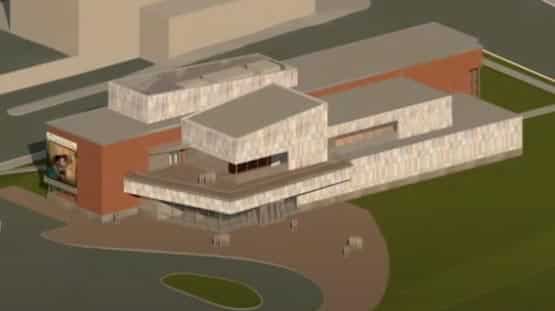
Planning for a proposed 28,000-square-foot, two-story Waynesboro campus of the Virginia Museum of Natural History began in 2011. The project stalled in 2020 when funding that was allocated in the state budget was redirected to support the COVID-19 response in the state.
Despite advocacy efforts lobbying the governor and state legislators, construction funding has been left out of subsequent budgets.
There may be a light at the end of the tunnel, however, as city and museum officials are hopeful that the construction costs could be allocated in the 2027 Virginia capital pool budget. Plans for the museum were submitted to Richmond on Friday.
Two-year build once funds are secured
Once funding is appropriated, the design renderings will be converted to construction drawings, and the design of the exhibits will be finished. Once those steps are checked off the list, it will be a roughly two-year build.
It is unknown if President Donald Trump’s import tariffs could increase the cost of materials and impact the estimate to build the museum. The tariffs could lead to a hike in the cost of steel and aluminum, including screws, nails and bolts. The National Association of Home Builders believe the tariffs will raise the cost of construction including raw materials and components.
To build and outfit the museum, the total cost is projected at $36 million which will come primarily from local and state funds. The museum plans to raise $2 million from a public fund-raising campaign that will allow residents and corporations to support the project.
“Once the state approves the money for the construction, a public campaign will start for local citizens and businesses to contribute to help add extra amenities to the museum,” Hitchin said. “There’ll be naming opportunities and all that will come out once the initial state funding is in place.”
Economic impact could be significant
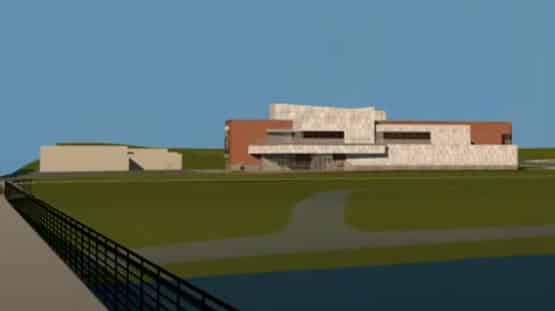
The economic impact of the museum could be significant to the River City with 45,000 to 85,000 people visiting the museum each year, according to a brief provided as part of the meeting’s agenda. The visitors will include residents in the region as well as visitors to the Shenandoah Valley and tourists travelling along the Skyline Drive and Blue Ridge Parkway.
“There’s millions of visitors that are coming within three miles of this location on the Shenandoah National Park and Blue Ridge Parkway. The museum helps us meet our tourism goals by creating other opportunities for them to come and spend part of their day here, which translates to overnight meals, sales tax and other opportunities, again, to increase our economic impact,” Hitchin said.
Owners of vacant downtown storefronts are hopeful that it will lead to a significant return on any investment they make to property on Main Street.
“There will be people who will want to come to this facility, but at the same time too, they’ll want to enjoy all the other attractions, whether they’re breweries and wineries, whether they are hiking trails, Sunset Park, the Blue Ridge Tunnel and so many others. And vice versa, people wanting to enjoy those attractions will want to come to a natural history experience,” said Dr. Joe Keiper, executive director of the VMNH.
In addition to exhibits, the museum, situated along the South River, should draw from schools within a one-hour drive of the Waynesboro campus for STEM educational opportunities. There will also be laboratories for staff and other professionals to use for scientific research.
Keiper told City Council that the museum will have outdoor exhibits that will be free and will help connect the museum to the city’s South River Preserve.
VMNH has hired a retired educator who will also give programs in Waynesboro and Charlottesville.
“Sort of like a giant benign amoeba moving across the landscape, we are attempting to fold the Shenandoah Valley into our operation to bring the righteousness of science education to the area,” said Keiper.
Related stories
- Waynesboro: Natural history museum looks to 2027 to secure state funds for construction
- Waynesboro: Natural history museum delayed; ‘unable to secure’ construction funding
- No federal dollars: Waynesboro expects state to come through with museum funds
- Is Waynesboro still getting its museum? State budget leaves money out
- Construction set to begin in 2025 on Museum of Natural History Waynesboro campus
- Planned Waynesboro museum funding awaits Commonwealth’s budget
- Waynesboro branch of Virginia Museum of Natural History is a ‘rebirth’ for the city




 Share
Share

Crystal Graham