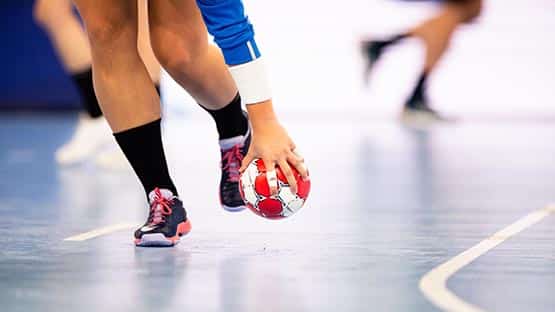
Surprisingly fast, handball’s rise mirrors shifting interests in Central and Eastern European athletic culture. Driven less by chance and more by momentum, nations such as Croatia, Hungary, and Slovenia anchor part of their sporting pride on their energetic clashes. With speed shaping every play and decisions unfolding mid-motion, few team games balance physicality so tightly against planning. Because immersion matters, sitting through an entire campaign offers clearer insight than any summary ever could. Yet what truly grabs attention isn’t just the pace – it’s how loyalty builds slowly, match after match.
Building the foundation: Clubs, leagues, and local identity
Years of building strong local clubs form the core behind handball’s rise in certain areas. Across nations, including Spain, Germany, and several Balkan states, leagues began upgrading facilities and training nearly twenty years ago. Well-known teams like THW Kiel, RK Zagreb, and Veszprém HC now draw attention well outside their hometowns. Because these sides keep reaching high levels in continental tournaments, interest in handball has spread widely through Europe.
The popularity of these teams has brought fan involvement, and betting has been one factor responsible for this culture change. Some fans turn to websites designed for betting on local handball competitions and analyze the odds and statistics of matches and teams. Handball betting options have become diverse on gambling sites (Turkish: kumar siteleri), ranging from match outcomes, leading goal scorers, and handicap bets. The involvement of fans in betting activities fosters their interest in watching games, thus building a stronger relationship with the game itself.
Digital access expands handball fan base
Nowadays, streaming services plus smartphone applications reshape daily handball viewing habits. Global sports networks challenge regional TV stations when bidding for elite match broadcasts. Younger viewers join more frequently thanks to digital access via handheld devices. Easier access to games fuels audience growth throughout the area.
The use of mobile technology has also revolutionized the way in which betting activities surrounding handball games take place. For instance, those users who have installed the MelBet APK software will find themselves having access to a host of handball betting opportunities, from local to international tournaments. There are numerous live betting markets, along with odds updates that ensure the bets are kept alive during the game.
Youth development and grassroots programs
Starting young makes a difference when it comes to handball’s rise in certain areas, mainly because of support for training centers and classroom lessons. Across Central Europe, officials alongside athletic organizations helped bring the sport into elementary classrooms. Because kids meet handball so early, many grow attached, while some turn into players, fueling steady progress over time. Teams on the world stage tend to come from places where local efforts get serious attention.
Across the region, effective youth handball initiatives rest on a few core elements:
- Early school integration — Handball is introduced in physical education curricula from a young age, normalizing the sport for children.
- Funded academies — National federations invest in regional training centers that scout and develop talented youth players.
- Community leagues — Local amateur leagues give young players competitive experience outside of elite academy structures.
- Coaching education — Certified coaching programs ensure that youth players receive technically sound and age-appropriate instruction.
From an early stage, these structures shape performers with sharp technique and smart decision-making well ahead of elite-level contests.
National Team wins global accolades
It was the triumphs on the global field that lifted handball into a wider view, far beyond what home leagues achieved. A victory like Croatia’s in the 2003 World Championship lit a spark felt years later. So did Denmark’s steady presence atop the EHF EURO podium – momentum built through consistency, not chance. On those occasions when uniforms bear a nation’s colors and win, attention follows closely behind. Interest at home climbs almost immediately; arenas see fuller stands soon after. Identity ties tighten during such moments, binding people to the game differently. Pride swells quietly but firmly within borders where goals are scored abroad.
| Country | Major Achievement | Year |
| Croatia | World Championship Gold | 2003 |
| Denmark | Multiple EHF EURO Titles | 2008–2022 |
| France | Olympic Gold (Men’s) | 2021 |
| Spain | World Championship Gold | 2013, 2021 |
| Hungary | Women’s World Silver | 2003 |
Success across borders shows a shift in who stands atop the podium, now shared by athletes from many countries. As global wins rise, local interest follows – youth begin seeing elite competition as something within reach. What once felt distant grows familiar through consistent achievement abroad.
Media coverage and sponsorship spending
Years of rising TV exposure helped push handball into a broader public view across the area. Coverage today includes detailed previews, live matches, followed by thorough reviews long after the final whistle. Alongside that shift, support from domestic companies and global firms increased, feeding more funds into the sport. Budgets managed by teams and governing bodies are much higher compared to levels seen at the start of the century.
Nowhere has growth been more noticeable than in women’s handball, where financial backing from corporate alliances has made expansion possible. Figures such as Cristina Neagu and Nycke Groot stand out not just for skill, but for shifting public attention toward the game. Because exposure leads to involvement, steady broadcasting effort keeps the sport present in everyday life across many regions. With each season, greater viewership draws further support, feeding a pattern that deepens handball’s place in local communities.
Infrastructure, arenas, and fan experience
Today’s arenas shape how people enjoy handball, bringing it closer to the energy seen in bigger team sports. Across Central and Eastern Europe, nations are either building new spaces or updating old ones – each designed with clearer views, better sound, and more comfort for those attending. Full crowds now regularly pack games such as local rivalries and elite European fixtures in places including Zagreb, Budapest, and Cologne. While TV captures the play, nothing compares to being present when noise, motion, and tension fill one of these courtside environments.
Improving the day-of-game atmosphere, event planners introduced fan areas alongside hands-on activities, plus easier ways to get tickets. Targeting families on purpose, leading teams now offer low-cost entry options together with shows that kids enjoy. Thanks to these shifts, interest in handball stretches far past its usual crowd of male fans. Attendance climbs when going to a game begins to feel special.
The path forward sustainable goals worldwide
Though handball thrives in certain regions, expansion remains on the agenda. Outside Europe, interest is being nurtured by deliberate effort. Across continents like Asia, Africa, and parts of the Americas, groundwork takes shape through targeted initiatives. Coaching knowledge now flows more freely, guided by nations with deeper experience. Tournaments hosted beyond familiar territories help seed new talent. Global reach – not just regional dominance – shapes the direction ahead.
Staying sustainable still matters most, so teams craft financial plans meant to last, lessening reliance on one backer or funder. Instead of depending solely on sponsorships, income now flows from gear sales, online material, alongside global collaborations – this mix isn’t optional anymore. Youth programs shift roles entirely; they earn rather than drain, thanks to nurturing talent sold onward. Handball grew strong here first, in this part of the world, which now pushes hard to spread its blueprint far beyond borders.
The legacy that still grows
From humble beginnings in schoolyards, handball climbed toward professional prominence through steady effort rather than sudden leaps. Driven by resilient teams, forward-thinking associations, and deep-rooted fan loyalty, its foundation grew firm over time. Financial backing, applied wisely, helped turn scattered progress into a durable structure. Today, the game stands at a threshold – global reach within grasp, yet tied firmly to neighborhood roots. A past rooted in local courts now feeds wider dreams. Its story, once quiet, begins to echo beyond borders. Ahead lies uncharted ground, possibly brighter than what came before.
This content is provided for informational purposes only and is not a substitute for professional advice. AFP editorial staff were not involved in the creation of this content.


 Share
Share