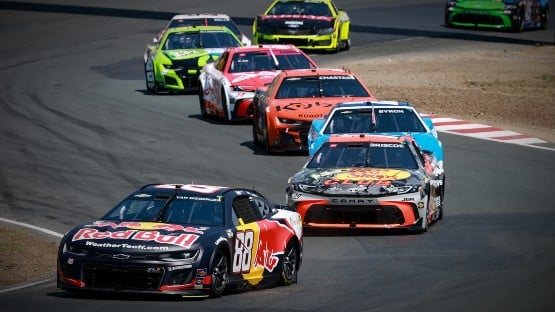
A contentious federal court hearing on Thursday laid bare the deep-seated animosity between NASCAR and two of its teams, 23XI Racing and Front Row Motorsports, as the teams seek to regain their charter status.
The hearing, presided over by Judge Kenneth Bell, revealed a flurry of inflammatory internal messages from both sides, while highlighting the precarious future of the sport’s charter system.
The two teams, who have been racing as “open” competitors since their charters were vacated in June, are fighting for a preliminary injunction that would restore their status and prevent NASCAR from selling or transferring their charters.
ICYMI
- NASCAR | Legal spat with 23XI, Front Row Motorsports reaches boiling point
- Court denies 23XI Racing request for rehearing in NASCAR charter case
- Michael Jordan is right: NASCAR, the only one making money, is not a good partner
23XI lead counsel Jeffrey Kessler argued that losing their charters would effectively put them out of business, jeopardizing sponsors and key drivers like Tyler Reddick. He questioned NASCAR’s timing, calling the sudden move to sell the charters to an unnamed third party “funny,” given that the sport had other charters available to issue.
NASCAR, represented by attorney Chris Yates, was unyielding in its position that 23XI and Front Row have no claim to the charters because they never signed the 2025 charter agreement. Yates challenged the teams’ stance, questioning why they would want to be part of a system they claim is so flawed.
The hearing took a dramatic turn when both sides presented internal communications from the two-year negotiation period. 23XI and Front Row displayed messages from NASCAR President Steve O’Donnell and Commissioner Steve Phelps that spoke of “zero wins” for the teams in the proposed draft and a desire to bring the sport back to a “1996 (expletive) the teams, dictatorship” style of leadership.
NASCAR contended these messages were taken out of context and were never part of a formal proposal.
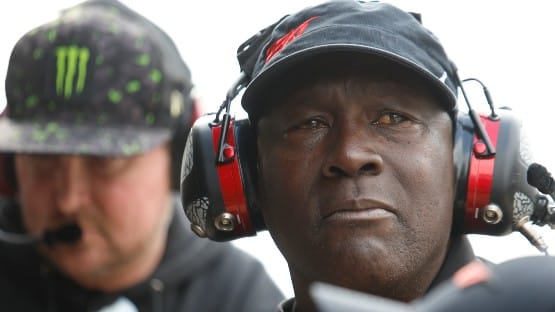
In response, NASCAR produced equally pointed messages from the teams’ leadership. Texts from 23XI Racing co-owner Michael Jordan, upon learning that Joe Gibbs Racing had signed the new charter agreement, read, “f—ers!!!!” and “P—ies!!!!!!!” Jordan also wrote, “Teams are going to regret not supporting us.”
Another message from 23XI President Steve Lauletta expressed a grim sentiment, stating, “Being in for the long haul and Jim [France] dying is probably the answer.” The court also heard from co-owner Curtis Polk, who wrote, “16 teams together are stronger than (NASCAR),” and Denny Hamlin, who expressed his “deep” despise for the France family but urged not to “sabotage our own business over principle.”
Judge Bell, who noted he has been a long-time fan of the sport, acknowledged the high stakes. “If the plaintiffs prevail, NASCAR is going to look very different,” he said, suggesting it could lead to significant changes regarding racetrack sales, non-competes, and the overall charter system. Yates countered that NASCAR was prepared to “go back to pre-charter (days),” if necessary.
Following the hearing, Michael Jordan addressed reporters, stating that his fight was for the “betterment of the sport.” He emphasized that the dispute wasn’t about the teams’ financial success but about pushing for continuous change for the benefit of fans and teams alike. “If I have to fight this to the end for the better of the sport, I will do that,” Jordan stated.
Judge Bell said he would make a decision on the preliminary injunction next week, but encouraged both sides to find a working agreement, warning them of the unpredictability of a jury trial.




 Share
Share