An education in civics at the college level instills the necessary skills in students to become problem-solving members of a community.
For example, students will become community members able to tackle tough issues such as mental health access, land use and assimilation of refugees.
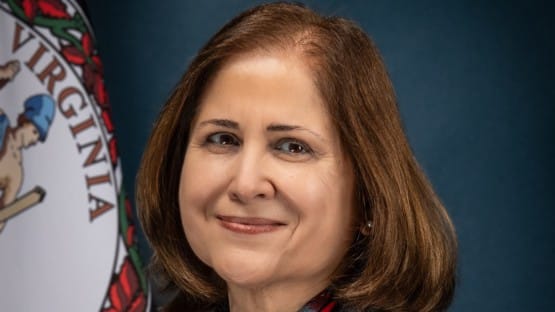
“Teaching civics at the college level is very different than the middle and high school level,” said Dr. Kara Dillard of the course subject that is not just about the three branches of government when students get to college.
Dillard created the Civic Leadership Minor at JMU in fall 2024 and is also executive director of the Madison Center for Civic Engagement. Five students graduated with the minor in May 2025 and 20 students declared the minor for the 2025-2026 academic year.
Dillard said she is not expecting all of the students who minor in civics to become politicians, but as every day residents in their future communities they will be capable of problem solving.
“My goal is to graduate students who understand the role of civic life,” Dillard said. And that the big issues of society, including homelessness, unemployment, housing and immigration, require a village working together and a diversity of ideas and perspectives to find a solution. Local governments are limited by how much they can do.
Students attend classes across eight subject areas, much like a liberal arts education.
Civics in education remains important in 2025, according to Dillard, because Americans feel divided. They feel that issues are unsolvable because certain groups dominate the narrative by politicizing the issues.
“Issues themselves become politically polarizing,” Dillard said.
Yet, the issues remain and members of the community still need help so the community needs individuals with civic leadership skills.
Dillard said that times are tough now for civics also while the value of a higher education is under attack.
“This is a critical 21st Century skill for our students to have,” she said.
Civics remains important because, without the necessary skills to problem solve and work together, division will continue and individuals will continue to struggle.
In her classes, Dillard trains her students to feel they have a commitment to be civic leaders in their communities, to bridge divides and to make a difference every day.
Dillard said she hopes that all problems are solvable, but that does not mean they can be solved quickly or easily. She moved into teaching higher education to help solve problems and the Civics Leadership Minor prepares students to do just that.


 Share
Share
Rebecca Barnabi