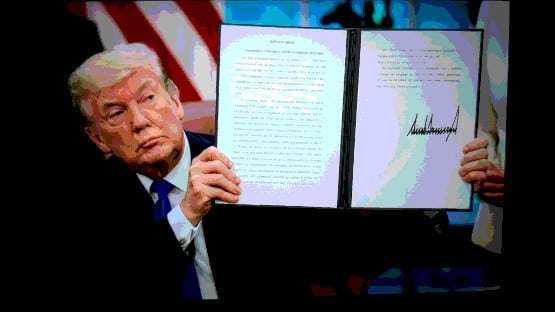
Virginia will be among the states taking the biggest hit from the Medicaid cuts in the Big Ugly Bill that Donald Trump signed on July 4.
A report from the Kaiser Family Foundation projects that the Commonwealth could end up losing as much as $4 billion a year over the next 10 years.
Reporting on this has largely been focused on the 17 million people who will lose access to healthcare, for obvious reasons – but I’ve been trying to sound the alarm on how rural hospitals, like our local hospital, Augusta Health, are going to be faced with tough choices that could impact not just the people being thrown off the Medicaid rolls, but the rest of us as well.
ICYMI
Six rural Virginia hospitals made the list of the more than 300 nationwide that face possible closure because of the loss of reimbursements from Medicaid impacting their bottom lines.
Augusta Health isn’t quite there, but because 28 percent of its patients have their healthcare costs covered by Medicaid – well above the national average of Medicaid patients for a hospital, which is 16.7 percent – the pressure is going to be on the money people to figure out how to account for a reduction in Medicaid revenues without having to make cuts to vital services.
The problem here for Augusta Health is, even before the cuts the MAGAs enacted so that they can give rich people a tax break, Medicaid wasn’t exactly paying its bills.
Augusta Health, with annual revenues at $469 million in 2023, according to its IRS filing for that year, reported a $6.7 million shortfall in reimbursements from Medicaid.
On top of that, the hospital reported providing $9.1 million in financial assistance to patients, in essence, free healthcare.
Basically, if you think it’ll just be the 17 million people who are being thrown off the Medicaid rolls who are going to feel this, you’re sadly mistaken.
You can have the most Cadillac of health-insurance plans on the market, but if your local hospital has to scale back on the department that you need when you need it because of the Medicaid cuts just signed into law, you’re SOL.
In other words: this isn’t an other people problem.
This one affects us all.

 Share
Share

Chris Graham