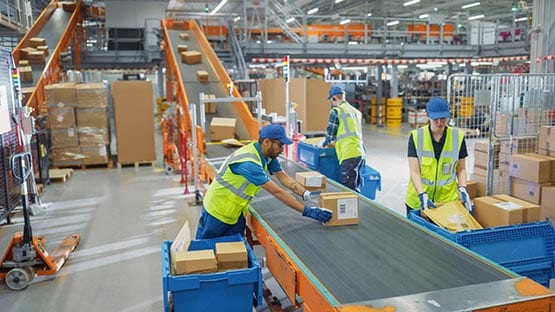
Behind every smooth online shopping experience is a system most customers never see: e-commerce fulfillment. From the moment someone clicks “buy” to the second a package arrives at their door, a complex chain of logistics is set into motion. This process includes storing inventory, processing orders, packing products, shipping them, and even handling returns.
As online shopping continues to grow globally, ecommerce fulfillment has become a defining factor in customer satisfaction and business success. Fast delivery, accurate orders, and efficient returns are no longer optional—they are expected.
This guide breaks down e-commerce fulfillment into a simple, list-style overview, helping you understand how it works and why it matters.
1. What is e-commerce fulfillment?
At its core, e-commerce fulfillment is the end-to-end process of getting an online order into a customer’s hands.
Receiving inventory
Products are first sent to a warehouse or fulfillment center where they are stored until sold.
Order processing
When a customer places an order, the system identifies the item and prepares it for dispatch.
Picking and packing
Warehouse staff (or automated systems) pick the correct items and package them securely.
Shipping and delivery
Orders are handed off to carriers and transported to the customer.
Returns handling
If items are returned, they are inspected, restocked, or processed accordingly.
This entire chain ensures that online purchases are delivered efficiently and accurately.
2. Why fulfillment matters more than ever
Fulfillment is no longer just a backend operation—it directly shapes customer experience.
Speed influences buying decisions
Customers increasingly expect fast shipping, often within days or even hours. Businesses that fail to meet these expectations risk losing sales.
Accuracy builds trust
Sending the wrong item or delayed orders can damage brand reputation quickly.
Convenience drives loyalty
Easy returns and real-time tracking create a seamless experience that encourages repeat purchases.
In short, fulfillment has become a competitive advantage, not just a necessity.
3. Key components of a strong fulfillment strategy
Successful e-commerce brands rely on well-structured fulfillment systems.
Inventory management
Keeping track of stock levels ensures products are always available without overstocking.
Warehouse operations
Efficient storage layouts and systems reduce picking time and errors.
Technology integration
Order management systems and warehouse software streamline processes and improve accuracy.
Shipping optimization
Choosing the right carriers and delivery methods helps balance speed and cost.
Returns management
A clear and simple return process enhances customer satisfaction and reduces friction.
Together, these elements create a reliable and scalable fulfillment operation.
4. Different fulfillment models to consider
Not all businesses handle fulfillment the same way. The right approach depends on size, scale, and growth goals.
In-house fulfillment
Businesses manage their own storage, packing, and shipping. This offers control but requires time, space, and resources.
Third-party logistics (3PL)
External providers handle fulfillment operations, including warehousing and shipping, allowing businesses to focus on growth.
Dropshipping
Products are shipped directly from suppliers to customers, eliminating the need for inventory storage.
Global fulfillment networks
For businesses selling internationally, fulfillment centers in multiple regions help reduce delivery times and shipping costs.
Each model has its own advantages, and many businesses adopt a hybrid approach as they scale.
5. The role of global fulfillment in scaling
As e-commerce becomes increasingly borderless, global fulfillment is gaining importance.
Faster international delivery
By storing products closer to customers in different regions, delivery times are significantly reduced.
Lower shipping costs
Regional distribution minimizes long-distance shipping expenses.
Simplified logistics
Centralized systems can manage inventory and orders across multiple locations.
Market expansion
Businesses can reach customers worldwide without building infrastructure in every country.
Global fulfillment essentially removes geographic barriers, enabling businesses to grow beyond local markets.
6. Common challenges in e-commerce fulfillment
Despite its advantages, fulfillment comes with its own set of challenges.
Inventory imbalances
Too much stock leads to storage costs, while too little causes missed sales.
Shipping delays
External factors like weather, customs, or carrier issues can disrupt delivery timelines.
High costs
Warehousing, labor, and shipping expenses can add up quickly without optimization.
Returns complexity
Managing returns efficiently without affecting profitability requires careful planning.
Addressing these challenges requires a mix of technology, planning, and flexibility.
7. Trends shaping the future of fulfillment
The fulfillment landscape continues to evolve alongside consumer expectations and technology.
Automation and robotics
Warehouses are increasingly using automation to improve speed and accuracy.
Same-day and next-day delivery
Faster delivery options are becoming standard in many markets.
Sustainable logistics
Eco-friendly packaging and optimized delivery routes are gaining importance.
Data-driven decisions
Analytics help businesses forecast demand and optimize inventory placement.
These trends highlight how fulfillment is becoming smarter, faster, and more customer-focused.
Conclusion
E-commerce fulfillment is the engine that keeps online retail running smoothly. It goes far beyond shipping—it’s a carefully coordinated system involving inventory, technology, logistics, and customer service.
When done well, fulfillment creates a seamless shopping experience that builds trust, encourages repeat purchases, and supports long-term growth. When done poorly, it can quickly undermine even the best products or marketing strategies.
As online commerce continues to expand, businesses that invest in efficient, scalable fulfillment solutions will be better positioned to meet customer expectations and compete in an increasingly global marketplace.
This content is provided for informational purposes only and is not a substitute for professional advice. AFP editorial staff were not involved in the creation of this content.


 Share
Share