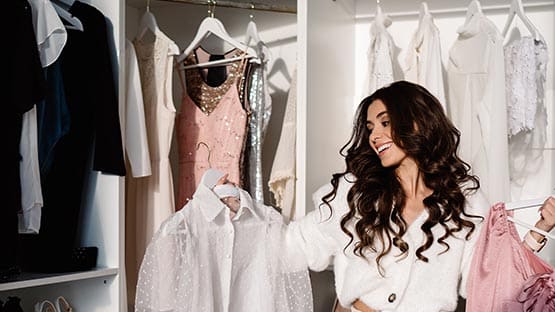
The way Americans buy dresses for life’s biggest moments has shifted dramatically over the past decade. Where previous generations relied almost exclusively on department stores and local boutiques to find wedding guest outfits, prom gowns, and formal event attire, today’s consumers are increasingly turning to online-first and direct-to-consumer brands that offer broader selections, more inclusive sizing, and prices that undercut traditional retail by a significant margin.
This shift is not just a matter of convenience — it is fundamentally reshaping how people think about occasion wear, who has access to it, and what they expect from the shopping experience.
The department store model is losing ground
For decades, the department store was the default destination for special occasion shopping. A woman looking for a dress to wear to a cousin’s wedding or a formal company event would visit one or two stores, browse a limited rack of options, and choose from whatever happened to be in stock in her size. The experience was familiar but constrained — selection was limited by floor space, sizing was often narrow, and prices reflected the overhead costs of maintaining a physical retail footprint.
That model has been steadily losing market share to online alternatives. According to industry analysts, e-commerce now accounts for a growing percentage of formalwear sales in the United States, and the trend has accelerated since the pandemic normalized online shopping for categories that were previously considered try-before-you-buy only. Moreover, the closure of anchor department stores in malls across the country has left many communities — particularly in smaller cities and rural areas — without a convenient brick-and-mortar option for occasion wear, making online shopping not just a preference but a necessity.
Why direct-to-consumer brands are winning
The direct-to-consumer model eliminates the middlemen that traditionally drove up the cost of formalwear. Without department store markups, wholesale distribution costs, and the expense of maintaining physical retail locations, DTC brands can offer comparable or superior quality at significantly lower price points. For consumers, this translates into more options within the same budget.
But price is only part of the equation. DTC fashion brands have also raised the bar on selection and inclusivity. A typical department store might carry a formal dress in four or five sizes and three colors. An online-first brand can offer the same style in a dozen colors, a full size range from petite to plus, and often with customization options like adjustable hemlines or interchangeable straps. Furthermore, the ability to browse hundreds of styles from home — filtering by color, price, occasion, length, and neckline — gives consumers a level of control over the shopping experience that physical retail simply cannot match.
The wedding guest economy has gone digital
Weddings drive an enormous portion of the occasion wear market, and the way guests dress for them has evolved alongside the broader shift to online shopping. With the average American attending multiple weddings per year during peak seasons, the pressure to find something new — or at least different — for each event creates a recurring demand that favors the variety and accessibility of online retailers.
The search for wedding guest dresses has become one of the most competitive categories in online fashion retail. Consumers want options that are wedding-appropriate without being bridal, stylish without being attention-grabbing, and versatile enough to work across different venues and dress codes. Online brands have responded by curating dedicated wedding guest collections organized by season, formality level, and color palette — a level of merchandising specificity that would be impossible to replicate on a physical sales floor. As a result, the online wedding guest category has become a gateway that introduces many first-time buyers to the broader DTC occasion wear market.
How social media accelerated the shift
The rise of direct-to-consumer occasion wear brands is inseparable from the rise of social media as a style discovery platform. Platforms where users share outfit inspiration and event photographs have created a visual economy where being photographed in the same dress twice feels like a social liability — particularly for younger consumers attending multiple events per season.
This dynamic has fueled demand for affordable, high-quality occasion dresses that offer variety without requiring a luxury budget. Online brands that maintain extensive catalogs updated seasonally have a natural advantage in this environment. They can offer dozens of new styles each month, respond quickly to emerging color and silhouette trends, and reach consumers through the same platforms where style inspiration originates. In addition, user-generated content — real customers sharing photos of themselves in purchased dresses — has become one of the most effective marketing tools in the category, providing social proof that traditional advertising cannot replicate.
The homecoming and school formal market is evolving too
The shift to online shopping for occasion wear is not limited to adult consumers. The market for school formals, homecoming dances, and teen celebrations has undergone its own transformation. Parents and teenagers who once relied on mall trips to find the right homecoming dress are now browsing online collections that dwarf anything a single store could stock.
This is particularly significant for families in areas where local retail options are limited. A teenager in a small Virginia town has the same access to current styles, trending colors, and size-inclusive options as someone in a major metropolitan area — a democratization of access that was simply not possible before the DTC model gained traction. On the other hand, the online shift has also raised challenges around fit and returns, which leading brands have addressed through detailed size guides, customer review photos, and flexible return policies that reduce the risk of ordering without trying on.
What consumers should look for when shopping online
As the market for online occasion wear matures, the gap between high-quality DTC brands and lower-quality fast fashion has become more pronounced. Not all online retailers are created equal, and consumers benefit from knowing what separates a worthwhile purchase from a disappointing one.
Fabric quality is the most reliable indicator. Brands that list specific fabric compositions — crepe, chiffon, satin, stretch jersey — are typically more transparent and confident in their product than those that use vague descriptions. Detailed size charts with actual garment measurements rather than generic small-medium-large labels signal a brand that takes fit seriously. Furthermore, a robust library of customer-submitted photographs gives prospective buyers a realistic sense of how a dress looks on different body types, which is far more useful than studio shots on a single model.
Return policies also matter significantly in this category. Occasion dresses are an emotional purchase — if the dress arrives and does not match the expectation, a hassle-free return process is essential. The best online brands offer generous return windows and make the process straightforward, understanding that customer confidence in the return policy directly correlates with willingness to purchase.
A market that is still evolving
The transformation of the American occasion wear market is far from complete. As technology improves, virtual try-on tools, augmented reality sizing, and AI-powered style recommendations will continue to close the remaining gaps between online and in-store shopping. Meanwhile, consumer expectations for inclusive sizing, sustainable production, and transparent pricing will only increase.
What is already clear is that the old model — limited selection, narrow sizing, high markups, and geography-dependent access — is giving way to something more open, more diverse, and more responsive to how people actually live and shop today. For consumers, this means more choices, better value, and a shopping experience designed around their needs rather than the constraints of a retail floor. The special occasion dress market has entered a new era, and the brands that understand this shift are the ones shaping its future.
This content is provided for informational purposes only and is not a substitute for professional advice. AFP editorial staff were not involved in the creation of this content.

 Share
Share