The global conversation around cannabis has shifted dramatically in recent years. What was once a tightly controlled substance in many regions is now entering legal markets, opening doors for new industries, consumer behaviors, and cultural attitudes.
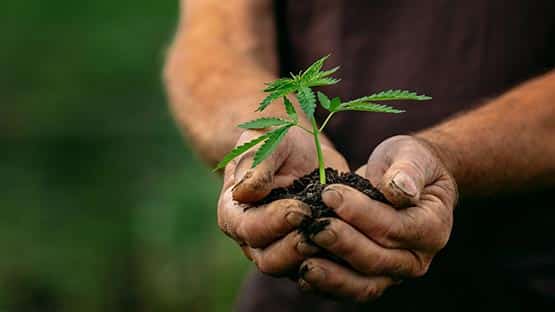
One of the most notable changes is the growing interest in cultivating cannabis at home. As legal frameworks evolve, individuals are increasingly exploring the idea of growing their own plants, whether for personal use, medical purposes, or simply as a hobby.
This shift is not just about access. It reflects broader changes in how people think about self-sufficiency, product transparency, and connection to what they consume. Home cultivation is no longer a niche activity – it is becoming a meaningful part of the cannabis landscape in many legalized regions.
The legal landscape is driving personal cultivation
Legalization has not been uniform across the globe, but a clear pattern is emerging. Many jurisdictions that permit cannabis use also allow limited home cultivation under specific guidelines. These laws often set restrictions on plant counts, growing conditions, and whether cultivation must occur indoors or outdoors.
For individuals, these changes represent more than just legal permission. They create an opportunity to take control of quality and supply. Instead of relying solely on retail outlets, people can grow plants tailored to their preferences, from potency levels to flavor profiles.
At the same time, the regulatory environment encourages responsible cultivation. Growers must stay informed about local laws, including security requirements and distribution limits. As a result, home growing is increasingly approached with a level of care and planning that mirrors other forms of personal agriculture.
Why more people are choosing to grow at home
The rise in home cultivation is tied to several practical and cultural factors. While legalization provides the framework, personal motivations are what drive adoption.
Some of the most common reasons include:
- Control over quality: Growing at home allows individuals to oversee every stage of the process, from seed selection to harvest.
- Cost considerations: Over time, cultivating cannabis can be more economical than purchasing it regularly.
- Interest in gardening: For many, cannabis growing fits naturally into existing gardening hobbies.
- Desire for transparency: Consumers increasingly want to know exactly how their products are produced.
These motivations align with broader trends seen in food production and sustainability. Just as people are growing their own vegetables or herbs, cannabis is becoming part of that same movement toward self-reliance.
The role of seed access in a changing market
As more individuals explore home cultivation, access to reliable seeds has become a central concern. Not all seeds are created equal, and the quality of genetics can significantly influence the outcome of a grow.
This is where established providers like Growers Choice Seeds enter the conversation. For new and experienced growers alike, having access to consistent, well-developed seed options simplifies the process and reduces uncertainty.
Midway through the growing journey, many cultivators begin to refine their preferences based on experience. Selecting the right strain becomes less about experimentation and more about achieving specific outcomes, whether that’s yield, growth time, or plant characteristics.
Those looking to make that transition can shop Grower’s Choice Seeds to align seed selection with individual goals.
The availability of diverse genetics is one of the factors enabling home cultivation to expand beyond basic experimentation into a more informed and intentional practice.
Technology is making home growing more accessible
Another key driver behind the rise in home cultivation is the increasing accessibility of growing technology. Tools that were once limited to commercial operations are now available to individuals, making it easier to manage conditions and improve outcomes.
Modern home growers often rely on:
Indoor growing systems
Controlled environments allow for year-round cultivation and reduce dependence on climate conditions. Lighting, temperature, and humidity can all be adjusted to suit specific plant needs.
Monitoring tools
Digital systems can track growth conditions in real time, helping growers respond quickly to changes and avoid common issues.
Compact equipment
Smaller-scale setups are now designed for home use, making it possible to grow cannabis even in limited spaces.
These advancements lower the barrier to entry. Someone with little prior experience can now achieve consistent results with the right setup and a willingness to learn.
Cultural shifts around cannabis and self-sufficiency
Beyond legality and technology, cultural attitudes toward cannabis are evolving. The plant is increasingly viewed through the lens of wellness, craftsmanship, and personal expression rather than stigma.
Home cultivation fits naturally into this shift. Growing cannabis becomes more than a means of production; it’s part of a broader lifestyle choice. Similar to brewing beer at home or cultivating specialty crops, it offers a hands-on experience that connects individuals to the process.
Communities have also formed around this shared interest. Online forums, local groups, and educational resources allow growers to exchange knowledge and refine their skills. This collective learning environment supports the continued growth of home cultivation as both a hobby and a practical pursuit.
Challenges that still shape the home growing experience
Despite its increasing popularity, home cultivation is not without challenges. Legal restrictions can vary widely, and in some regions, growing remains prohibited or tightly controlled. Even where it is allowed, compliance with regulations requires careful attention.
Other common challenges include:
- Initial setup costs: Equipment and quality seeds can require upfront investment.
- Learning curve: Successful cultivation takes time and experience.
- Space limitations: Not all living environments are suited to growing.
- Consistency: Achieving reliable results across multiple growing cycles can be difficult.
Addressing these challenges often involves a combination of research, patience, and access to reliable resources. For many growers, the learning process is part of the appeal, offering a sense of progression and achievement over time.
Conclusion
The global shift toward cannabis legalization is doing more than expanding access – it is reshaping how people engage with the plant itself. Home cultivation is emerging as a meaningful trend, driven by a desire for control, transparency, and personal involvement.
As legal frameworks continue to evolve, and as tools and resources become more accessible, this trend is likely to grow. Individuals are no longer limited to being consumers; they can take an active role in cultivation, shaping their own experiences from seed to harvest.
For those considering this path, the key lies in understanding both the opportunities and the responsibilities involved. With the right approach, home growing can become a rewarding extension of the broader changes taking place across the global cannabis landscape.
This content is provided for informational purposes only and is not a substitute for professional advice. AFP editorial staff were not involved in the creation of this content.


 Share
Share