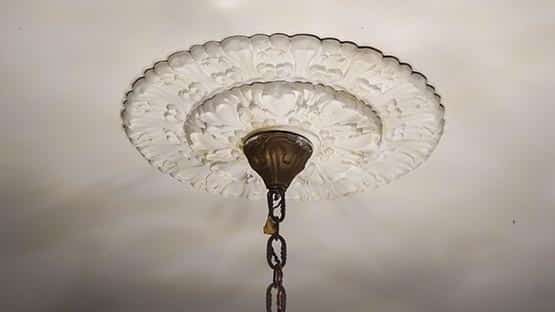
Selecting the perfect features for your home requires elegance and the physical dimensions of your space. A plaster ceiling rose acts as a focal point that draws the eye upward, but if the scale is incorrect, it can either disappear into the ceiling or overwhelm the room. This blog explores how to navigate the selection process by considering ceiling height and the existing decor to ensure a harmonious result.
1. Measuring the total floor area and ceiling height
Have a clear understanding of the physical volume of your room because the size of the ceiling should dictate the size of the ornament. A large room with high ceilings can accommodate a substantial rose with intricate detailing, whereas a small study or bedroom requires something more modest. You should aim for a diameter that fills the space without touching any other architectural elements, like coving.
2. Considering the scale of your existing light fixtures
Ensure that the diameter of the rose is slightly larger than the widest part of your chandelier or pendant light to create a tiered effect that feels structured and intentional. Matching the weight of the plasterwork to the style of the lamp is a critical design step. If you are planning to install a very ornate or heavy light, a larger rose provides the visual support to anchor the piece firmly within the room’s design.
3. Matching the period style to your architectural details
The complexity of the plasterwork should reflect the age and style of your property to ensure that the new addition blends seamlessly. Victorian homes feature larger roses with floral motifs, while modern minimalist spaces benefit from cleaner lines. Look at your current skirting boards and window frames for inspiration, as these details often hint at the appropriate level of ornamentation for your ceiling.
4. Evaluating the visual impact of ornate vs. plain designs
The level of detail on a plaster rose can change how large or small it appears once it is installed and painted on your ceiling. Plaster Ceiling Rose with deep relief casting will appear heavier, which means you might want to choose a slightly smaller diameter. If you prefer a subtle look, a larger but simpler rose can provide the necessary scale without becoming a distraction from your other furniture.
5. Checking the clearance from walls and other features
A common oversight is failing to check how close the edges of the rose will sit to the walls or the surrounding decorative coving once it is centred in the room. Ensure there is a generous amount of white space around the rose so that the ceiling does not feel cluttered. It is helpful to cut out a paper template of the rose’s diameter and tape it to the ceiling to see how much room remains on all sides.
6. Thinking about the projection and thickness of the plaster
Beyond the width of the rose, consider how far the plaster projects downward from the ceiling, as this affects the perceived volume of the piece. A deep projection creates stronger shadows, which is ideal for grand entrance halls or formal dining rooms with significant height. However, in a room with lower ceilings, a flatter rose is a practical choice to ensure that the space remains open and airy.
7. Seeking professional advice for custom or heritage spaces
If you live in a heritage-listed building, consulting with a plaster specialist can provide valuable insights into the best sizing options. Professionals can provide historical references or custom-sized samples that take the guesswork out of your renovation project. Because every room is different, having an expert eye to verify your measurements and style choices can save you from making an expensive mistake.
Achieving architectural harmony in your home decor
Finding the right size plaster ceiling rose is a rewarding process that significantly elevates the elegance and character of any interior space. If you choose a rose that fits perfectly within its surroundings, you create a lasting feature that adds value and beauty to your property. Welcoming these sizing tips ensures that your renovation project results in a home that feels grand and tailored to your personal style.
This content is provided for informational purposes only and is not a substitute for professional advice. AFP editorial staff were not involved in the creation of this content.




 Share
Share