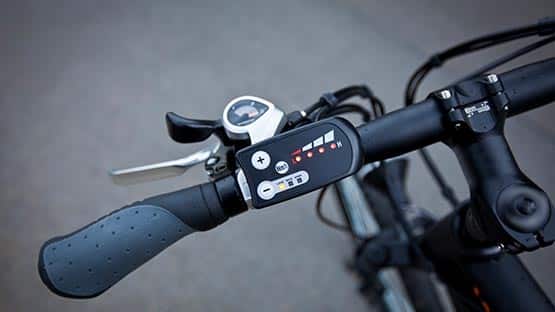
A decade ago, the fastest thing in a painted bike lane was a fit commuter on a road bike holding maybe 18 mph on a good day. A pedestrian stepping off the curb had time. A driver turning right across the lane had time. Nobody loved the geometry, but the speeds roughly matched the design.
Now the same lane carries pedal-assist bikes that keep pushing power to the cranks up to 28 mph, ridden by people who are not racers and brake like commuters. The lane didn’t get wider. Sight lines didn’t change. Closing speeds did.
That shift is scrambling the fault analysis in the crashes that follow. A right-hooking driver, a pedestrian in a crosswalk, a rider who was “just in the bike lane” — none of them are standing where they used to be in a claim file.
If injuries run past scrapes, a conversation with an experienced personal injury firm early is far cheaper than untangling a recorded statement later.
Decide what you’re actually riding before you buy it
The industry sorts electric bikes into three classes, and the one that matters here is the fast one. Under the model law adopted by most states, a Class 3 e-bike’s motor keeps assisting the rider up to 28 mph, instead of cutting off at 20 mph the way Class 1 and Class 2 do. On paper that’s 8 extra miles per hour. On a shared path, it’s the difference between a bike and something closer to a small motorcycle in terms of closing speed on a walker.
Most states adopted the three-class framework and treat all three as bicycles for infrastructure and licensing purposes, but a handful went a different direction. In those jurisdictions, the 28 mph pedal-assist bike reads as a moped or a motorcycle, which pulls in registration, insurance, and license questions the buyer never considered at the shop.
Before you spend the money, check how your state actually classifies the bike you’re looking at — not what the sticker on the frame says.
Decide how hard to push the assist around people on foot
Pedestrian impacts are the part of this story that’s growing out of view. Riders think of themselves as the vulnerable party on the road, and against a car they are. Against a person walking, the physics flip.
According to CPSC data, collisions with moving or parked motor vehicles were the leading cause of e-bike-related death reported to the agency between 2017 and 2024, accounting for 170 fatalities — but pedestrian strikes show up throughout the same dataset and are climbing with the fleet.
- Treat the top assist level as a road setting. If you’re near a crosswalk, a bus stop, or a mixed-use path, drop a level or two before you have to. Pedestrians judge bike speed by what they’ve seen for twenty years, and they’re wrong about yours.
- Audible warnings matter more now. A silent motor paired with a 28 mph closing speed is the worst combination for someone with earbuds in. A bell used early is a cheap insurance policy.
- Give yourself a braking budget. A loaded Class 3 with a rider on it can weigh 250 pounds or more. Stopping distances at 28 mph run much longer than most riders assume.
The first hour after a collision sets the ceiling
The first hour sets the ceiling on everything that comes later, and e-bike crashes have a few wrinkles a regular bike crash does not. The bike itself is evidence. Many Class 3 models log speed, assist level, battery draw, and sometimes GPS traces through a companion app.
That data can confirm you were under the limit, or it can hand the other side a problem you didn’t know you had. Either way, don’t delete the ride, and don’t let the shop wipe the controller before anyone has pulled the file.
- Get checked. Head impacts from these crashes are not minor; a bike helmet is rated for a 14 mph fall, not a 28 mph one. Even if you feel fine, get evaluated the same day.
- Photograph everything before it moves. The bike, the car, the lane markings, any skid or scuff, the signal state if you can get it, and the shoes and clothing involved.
- Preserve the ride data. Screenshot the app before it syncs or trims. If the bike has an onboard display with a trip log, photograph it.
- Keep statements short. “I’m not sure, I need to be checked out” is a complete answer at the scene. Guesses about your speed become quotes in a claim file.
As high-speed e-bikes become more common, determining fault in bicycle accidents will increasingly depend on factors such as speed, rider behavior, traffic laws, and available digital evidence. Understanding these considerations and preserving important information after a collision can help injured individuals protect their rights and pursue fair compensation.
This content is provided for informational purposes only and is not a substitute for professional advice. AFP editorial staff were not involved in the creation of this content.



 Share