Managing waste can quickly become overwhelming, whether you’re cleaning out your home, renovating, or handling a construction project. One of the simplest and most efficient solutions is using skip bins for hire. These large, open-topped containers are designed to collect and transport waste in a streamlined way, making them a practical tool for both households and businesses.
This guide explores how skip bins for hire fit into modern waste management and why they’re such a valuable option for keeping spaces clean, safe, and environmentally responsible.
What are skip bins and why are they useful
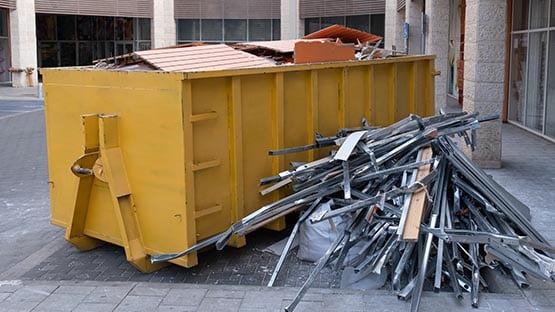
Skip bins are large containers used to collect different types of waste in one place before being transported for disposal or recycling. They are commonly used in homes, construction sites, and commercial settings due to their flexibility and capacity.
Their main advantage lies in centralizing waste. Instead of making multiple trips to disposal sites, everything can be placed in one container and collected in a single pickup.
Key benefits of skip bins for hire
1. Convenient waste collection
Skip bins make waste disposal far more convenient. Having a bin delivered to your location allows you to dispose of rubbish as you go, rather than letting it pile up or transporting it yourself. This saves time and effort, especially for larger projects.
2. Improved safety and cleanliness
Loose debris, sharp materials, and clutter can create hazards. Skip bins help contain waste in one secure place, reducing risks such as trips, cuts, or accidents. A cleaner environment also improves overall hygiene and reduces exposure to pests or harmful materials.
3. Encourages proper waste segregation
Using skip bins makes it easier to separate different types of waste, such as recyclables, green waste, and general rubbish. This supports more efficient recycling and ensures materials are disposed of correctly.
4. Cost-effective for large projects
While it may seem cheaper to handle waste independently, the costs of fuel, time, and disposal fees can add up. Skip bin hire often provides a more economical option, especially when dealing with large volumes of waste.
5. Versatile for different uses
Skip bins come in various sizes, making them suitable for everything from small household clean-ups to large-scale construction jobs. This flexibility allows users to choose a size that matches their needs without overpaying or underestimating capacity.
When should you consider hiring a skip bin
Home clean-ups and decluttering
Whether you’re doing a seasonal clean or clearing out old furniture, skip bins provide a simple way to handle large amounts of unwanted items without stress.
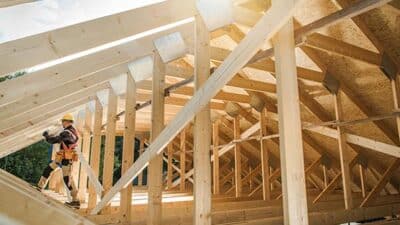
Renovation and construction projects
Building and renovation work generates significant waste, including debris, wood, and metal. Skip bins help keep worksites organized and safe while managing waste efficiently.
Garden and outdoor projects
Landscaping or garden maintenance often produces green waste such as branches, soil, and grass clippings. A skip bin keeps outdoor areas tidy during and after the project.
Commercial and office use
Businesses can use skip bins to manage regular waste or handle large clean-outs, ensuring a more structured and efficient disposal process.
Environmental impact of skip bin use
One of the biggest advantages of skip bin hire is its contribution to sustainable waste management. By encouraging proper sorting and recycling, skip bins help reduce the amount of waste sent to landfills.
They also support responsible disposal practices by ensuring waste is handled by professionals who can separate recyclable materials and process them appropriately. This contributes to a more sustainable and environmentally conscious approach to waste.
Tips for using skip bins effectively
Choose the right size
Selecting the correct bin size prevents overfilling and ensures you don’t pay for unnecessary capacity. Smaller bins work well for household jobs, while larger bins are ideal for construction waste.
Avoid prohibited materials
Certain items, such as hazardous chemicals, batteries, or asbestos, are typically not allowed in skip bins. Understanding these restrictions helps avoid additional fees or complications.
Maximize space efficiently
Break down large items and load the bin evenly to make the most of available space. This ensures you can fit more waste without exceeding limits.
Plan placement carefully
Position the skip bin in a location that is easily accessible but does not obstruct pathways or traffic. This makes loading easier and safer.
Conclusion
Skip bins for hire offer a practical, flexible, and efficient solution for managing waste across a wide range of situations. From home clean-ups to large construction projects, they simplify the disposal process by centralizing waste, improving safety, and promoting responsible environmental practices.
By understanding how to use skip bins effectively and choosing the right option for your needs, you can make waste management more manageable, cost-effective, and sustainable.
This content is provided for informational purposes only and is not a substitute for professional advice. AFP editorial staff were not involved in the creation of this content.




 Share
Share