A crumpled quarter panel in a grocery store lot can cost you a four-figure deductible, a bump in premium, and weeks of back-and-forth with your own insurer, all because the other driver pulled away before you got back to your car. Parking lot collisions sit in a strange legal zone where police often will not file a report, the property owner has no duty to investigate, and your carrier treats the whole thing as an unknown-driver claim. For a long time, that was the end of the story.
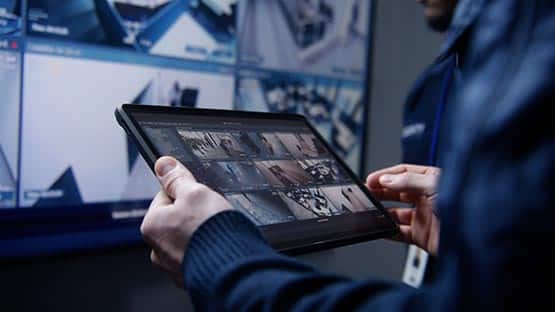
Today, the same retailers you shop at every week have turned their lots into dense surveillance grids, and when the footage from those cameras gets stitched together with license plate reader hits, a fleeing driver can be identified before the responding officer finishes the incident number.
The lot collision you thought was unrecoverable
The classic parking lot hit-and-run looks small on paper and expensive in practice. Someone backs into your door, pauses, and drives off. You file a claim under uninsured motorist or collision coverage, pay your deductible, and absorb the hit to your record because there is no at-fault driver to pursue.
The reason these cases usually die is simple: nobody knows who the other driver was. Private property crashes are not always worked by police the way street collisions are, witnesses scatter, and the store manager will tell you, politely, that the cameras point at the entrance and the registers, not the far corner of the lot where you parked.
Most people never think to call an experienced injury firm over what looks like a dented door, which is why these claims close as unknown-driver losses.
Why calling the store and asking nicely rarely works
The instinctive move is to walk inside, ask to see the footage, and expect the manager to help. That almost never produces what you need, for three reasons.
- Retention windows are short. Most retail DVR systems overwrite themselves on a rolling cycle measured in days, not months, and by the time you call back the clip is gone.
- Nobody on site has authority. A shift manager is not permitted to hand footage to a customer, and the regional loss-prevention office that can release it does not take walk-ins.
- A verbal request is not a legal hold. Without a written preservation demand, the system keeps deleting on schedule even if someone promised to look into it.
What the camera grid actually sees now
Retail lots have changed more in the last three years than in the previous twenty. Large chains have been installing networked license plate reader cameras at lot entrances and exits, originally to deter theft and organized retail crime. Reporting on the rollout at major retailers shows these systems capture plate, make, model, and color on every vehicle that enters or leaves, timestamped to the second.
Pair that with the store’s interior-facing dome cameras, the pharmacy drive-through camera next door, and a doorbell camera on a house across the street, and you have a timeline. The impact clip identifies the car; the entrance LPR identifies the plate; together they identify the driver.
Send a preservation letter before the footage rolls off
Collecting evidence after a car accident is essential to establishing what happened, and surveillance footage can be particularly valuable when the other driver leaves the scene without providing their information.
The move that works is a written preservation demand sent to every business whose cameras could have seen any part of the incident, and it needs to go out in days, not weeks. A properly worded letter puts the business on notice that litigation is foreseeable and that destroying the clip, even through routine overwrite, can carry legal consequences. Published guidance from premises liability attorneys explains how these spoliation letters stop the automatic deletion clock and preserve the clip until it can be formally requested.
Most people do not write that letter in time. Lawyers who handle these cases regularly already know which retailers run which camera systems, who to send the demand to, and how fast the retention window closes.
Who ends up paying once the driver has a name
Once the fleeing driver is identified, the economics of the claim flip. Your carrier can subrogate against their insurer. Your deductible comes back. The surcharge on your policy for an unknown-driver claim comes off.
And if you were injured, not just dented, there is now a real defendant with real coverage, instead of a thin uninsured-motorist policy you have been paying into for years.
The hit-and-run driver, meanwhile, is looking at a very different file than they thought they were leaving behind. Leaving the scene is a separate offense in every state, and the camera grid turns what used to be a coin flip into a near-certain identification.
The question is no longer whether the lot was watching. It is whether anyone preserved what the lot already saw.
This content is provided for informational purposes only and is not a substitute for professional advice. AFP editorial staff were not involved in the creation of this content.
Support AFP


 Share