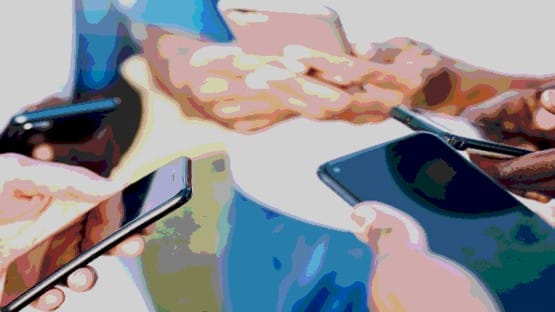
I recently saw a post on Instagram, truly more of a blog post condensed into a few text-heavy slides, about decentralizing technology.
The post chronicled many benefits, and also recognized the challenges of it in our lives. It posed the ability to unplug as a luxury. This is a noticeable shift from the modern obsession with technology, and the idea of having time to be online or having the newest iPhone as the luxury lifestyle.
But along with this post, I’ve seen several articles wondering if our phones and the invention of AI among other new conventions are actually hindering us.
So, I asked a few fellow JMU students how they feel about all of this. The general consensus was
- Yes, it is a luxury
- Yes, I try to decentralize it
- I wish I could unplug more often
One person immediately whipped their head up from their phone and said, “I think there’s a degree of expected availability, not being available? Yeah, that feels like a luxury.”
Then there’s the irony, as the group of people who shared these sentiments also admitted to using ChatGPT daily, and were on their phones throughout our entire conversation.
In theory, everyone wants to minimize screen time and be less dependent on technology. In reality, it’s difficult, due to responsibilities and habits.
The light phone III is an attempt to do this in totality. The website calls it a “tool for a better life.” Its features are bare bones, which you can read more about on the website. Brian X. Chen, a New York Times technology writer, tried it out. He had trouble accessing his gym, making easy UPS QR-code returns, finding the newest sushi restaurant he read about in a blog post, and getting high quality photos of his corgi.
You can read more about his experience here, but it’s safe to say that actually decentralizing technology, especially the cherished smartphone, is more difficult than our idealizations like to think.
Last year, I was on a 22-day trip in Europe with one other girl. All I had was a 60-pound backpack and a Eurail pass, and enough money to eat ham sandwiches and stay in mixed-gender hostel rooms. And six days in, my phone was stolen. At first I didn’t think it would be a big deal, up until I realized that I couldn’t find my way around the city (GPS), get into the hostel (electronic access), check my bank account to ensure I wasn’t overspending, save the contacts of people I was meeting, capture memories or beautiful views through a camera, communicate with people to make plans or find them in a busy public place, or register for my classes when need be.
I could not even log in to anything such as email, school accounts or personal accounts on my laptop due to needing dual factor identification through an SMS verification.
That being said, it was also the most rewarding time of my life, when I was most present and most appreciative of everything I was experiencing.
So, we arrive back at the balanced conflict of wanting to detach from our devices, but needing them to function in the set up of modern life.
Creating disciplined behaviors can help.
- 30 minutes before sleep, put it away. Blue light exposure from screens inhibits melatonin production, the hormone that aids sleep
- First ten minutes awake don’t check your notifications, replace the immediate blue light with immediate sunlight. This allows for a clear brain at the start of your day, before external stressors can encroach. Sunlight in the morning will increase healthy cortisol production, helping you feel more alert
- Don’t bring your phone everywhere. Even being in the presence of your phone negatively affects cognitive strength and quality, according to this study.
- Do Not Disturb unless I am expecting an important message, call, or need to be easily contacted for safety reasons
- Get OK with leaving texts unanswered for longer than seems socially appropriate. Reestablish your mindset of giving people access to you constantly.
These are a few that work for me, with maximum benefit and minimum disruption to my life.


 Share
Share