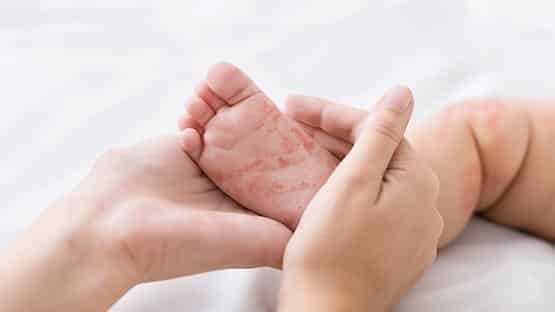
Two cases of measles have been confirmed in Virginia, one is a resident and one was a visitor to the Commonwealth.
The Virginia Department of Health said officials are working to identify people who might have been exposed Jan. 26-29.
The first case is a patient who is pre-school age, which VDH defines as any child up to four years old, from the northern region of the state.
A visitor who travelled through Ronald Regan Washington National airport was also confirmed to have measles.
To date in 2026, Virginia has reported six cases of measles.
ICYMI
- Adult in NOVA diagnosed with measles; health officials working to identify those exposed
- Are you at risk? Person with measles travelled through Dulles Airport this month
- Child in Northern Virginia diagnosed with measles, exposure sites released
Potential exposure sites in Virginia include:
- Heathcote Health Center, 15195 Heathcote Blvd., Haymarket, Jan. 29, 1:15 p.m. to 4:15 p.m.
- Ronald Reagan Washington National Airport, terminal 2, 2401 Smith Blvd, Arlington, Jan. 26, 12:30 p.m. to 10:30 p.m.
- Washington Area Metro on Jan. 26: Yellow Line train from Ronald Reagan Washington National Airport station transferring at the Gallery Place – Chinatown station to the Red Line train heading toward the Glenmont station between 8:30 p.m. and 11:30 p.m.
What to do if you have been exposed to measles
Most people in Virginia have immunity to measles through vaccination, so the risk to the general public is low. The most likely time you would become sick from these exposures is by Feb. 19.
Watch for symptoms of measles for 21 days after the potential exposure.
Anyone who was at the potential exposure sites at the times listed should:
- Report your exposure to VDH by completing this short survey. Public health officials will follow up with respondents if additional actions are needed.
- Find out if you have been vaccinated for measles or have had measles previously.
- If you have received two doses of a measles-containing vaccine, or were born before 1957, you are considered protected and do not need to seek post-exposure treatment at this time.
- People who are not fully vaccinated or otherwise immune to measles should contact their healthcare provider or call their local health department.
Contact your local health department or email [email protected] to discuss any additional recommendations.




 Share
Share

Crystal Graham