I am a citizen of the Monacan Indian Nation and member of our Historic Resource Committee. I work to preserve our history and culture. As a historical interpreter, I can interpret my history in a way that is more emotional than a non-native who is reciting information in a very sterile and matter of fact way. The non-tribal member must say “they,” while as a tribal member I can say my ancestors, my people, or we.
Museums who are engaged with interpreting Native American cultures should strive to have a partnership with local recognized tribes. The National Park Service discovered this years ago and have been successful in partnering programs with local Native Tribes.
Just because a museum is offering more information about Native Americans does not mean that site consulted or partnered with the first Americans about what stories or themes are appropriate to tell or what these groups would like to have interpreted about their history or culture. Developing these PAN-AM, generalized programs without including the input of the local Native People is disrespectful and speaks of cultural insensitivity.
The Nec Perce were faced with this issue years ago at a national park. Their comment was, and I quote: “Bridging cultures requires the active, positive participation of two separate cultures. We, as Natives peoples, are expected to bridge into the dominant culture; they in turn do not find any reason to necessitate bridging into our culture, wherein lies the whole attitude of cultural supremacy.”
Keeping this in mind, partnering may mean the need to put aside your own perceptions for the good of the program you are overseeing. If you have reservations (no pun intended) about the recognized native groups who reside in your area and you question their authenticity, the problem lies within yourself. Just because these groups have suffered forced assimilation does not mean they do not carry a great deal of knowledge about their territory and how their ancestors used it to survive. Partnering with these recognized groups would enhance native interpretive programs.
Now, please remember I said “recognized” groups. This does not mean that anyone with a distant family story – such as a great-great-grandmother who was considered “full blood” – should be regarded as qualified for authentic representation or assumed eligible to meet the specific needs being discussed. Tribal nations must undergo extensive and complex processes to gain official recognition; it is not possible for a group to declare themselves a tribe on their own.
As a tribal citizen I believe our ancestors and our past belong to us, the living descendants of these cultures. These cultures must be honored and respected according to tribal customs and traditions. For many of us we want our knowledge to remain within our Indigenous communities. We see looting our knowledge the same as stealing our artifacts. Viewing historical knowledge as public property can contribute to the perception of Native American people primarily as figures of the past or as a shared historical resource, rather than recognizing their ongoing presence and significance. That thought process is very offensive. I consider myself a caretaker of our ancestral past, and I say, we are still here. We are not appointing other people to speak for us but rather offer the opportunity to work with us.
For the non-native community to think they have carte blanche of our history, those days are over with as a sovereign nation we possess inherent rights to self-governance over our history and culture and to take without consent is misappropriation. This means that aspects of minority cultures should not be used by the dominant culture for their own benefit. That is exploitation. Indigenous rights is a critical issue to learn about especially from the native perspective.
Of all the sites I have visited and critiqued, the Native sites who have developed a partnership with their local tribes or nations have the most powerful interpretive programs. The docents are able to tell stories from the heart and not just regurgitate facts read in a book.
These conjoined groups provide a symbiotic relationship between the entities. Each side gives something and gets something in return. Like when we, as Virginia Indians, grow our corn and beans together. Each component provides something for the soil to help the other to grow. I have personally witnessed the positive results of merged programing. The museum gets a better and more realistic presentation accompanied with increased visitation. Native communities are able to safeguard Aboriginal traditions and technologies, while also creating employment opportunities for tribal members and sharing their crafts and artistic work with the public.
Our sites must be able to bridge the past to the present and correct misinformation as part of our interpretation. Having the ability to say “we are still here” is extremely important to Native Americans. So, you can see why building and interpreting native sites and exhibits without the input and cooperation of the local native people would be insensitive and helps propagate the notion that there is no Virginia Indians left.
Building the bridge between the two areas, past and present, is particularly important to the interpretive programs and exhibits and the messages we send. Talking about our history without talking to us and collaborating with us as Native people and talking about our past without referencing who we are today makes the story incomplete. We have a site in Virginia where the former educational director questioned our very authenticity as Virginia Indians and has refused to collaborate with us and include our dialogue. We find that very disrespectful and feel we have a right to question the outcome of that programing.
I have mentioned the negative, let us look at the good things that come from partnering in programs. All the groups involved stand to gain. There is potential to enhance the availability of grants and funding opportunities. Since Native Americans are minorities which allows additional opportunities and can allow these talented individuals to receive the respect and salaries, they are due. The museums have the opportunity to increase their visitation while doing the right thing for the local native community. Local American Indians are able to have ownership of their history and culture while being employed and practicing their Aboriginal technologies. The preservation of the culture, history, and natural resources can become a constant theme of programing. Communities have the opportunity to learn the truth and do away with the old perceptions and cultural insensitivities.
By bringing museums and tribal nations together, via partnerships, we can meet and exceed expectations while building not just a bridge, but an avenue to the future.
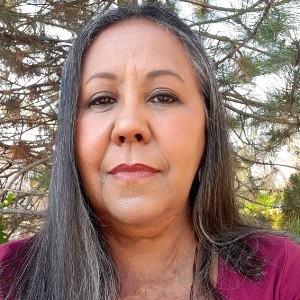
Victoria Persinger Ferguson is an enrolled citizen of the Monacan Indian Nation and is a graduate of Marshall University. She has 30 years background in researching science methodologies and historical documentation on the daily living habits of the Eastern Siouan populations up through the early European colonization period. Victoria has been involved with public history as a historical interpreter for over 25 years, participated in educational documentaries, and serves on the Historic Resource Committee for her tribal nation.


 Share
Share