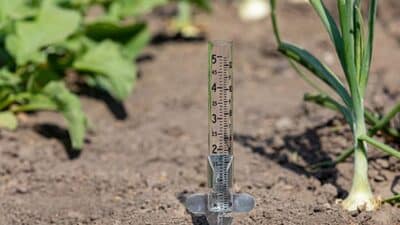
The Western U.S. is feeling the effects of climate change this summer as areas suffer from record-high temperatures, drought condition, and wildfires.
Adam Coates, an expert in forest fire ecology and management at Virginia Tech, explains that there are many intricacies of climate change that lead to these extreme weather patterns, including how temperature and precipitation are being altered.
“The elevated temperatures seen in many locations today are also accompanied by a lack of adequate precipitation during the times when temperatures are elevated. When temperatures are elevated and precipitation is low, vegetation may dry,” says Coates, an assistant professor in the department of forest resources and environmental conservation, in Virginia Tech’s College of Natural Resources and Environment.
Coates maintains an active research program focused primarily on fire ecology. This includes elements of fire behavior, fuels, fire effects, silviculture, and restoration ecology.
Coates says ingredients that fuel wildfire ignitions are heat, oxygen, and dry vegetation.
“Whether by way of lightning ignitions or the activities of humans – such as the failure to extinguish campfires or arson – fires often ignite under these conditions,” says Coates. “As many natural landscapes have gone years without adequate management, fuel loads and structures are often primed for significant wildfire activity.”
For communities and neighborhoods at risk from wildfires this season, Coates offers the following advice on how to protect your home.
“People can really abide by two rules. First, follow local ordinances and common sense – do not conduct outdoor burns when local conditions suggest wildfire risk is elevated. Go the extra mile to appropriately extinguish campfires and other open fires when burning is allowed.”
“Second, promote and advocate for active wildland management. Fuels and other materials naturally accumulate in the absence of active forest and wildland management that may include forest harvesting, thinning, and invasive species management.”
Coates says if you own a home, especially in a fire-prone area, ensure that your community is working to reduce the risk of wildfires by following the guidelines set forth by FireWise.



 Share
Share

AFP