Most households aren’t as prepared for emergencies as they think they are. A few bottles of water in the pantry and a flashlight with dead batteries isn’t a plan – it’s a false sense of readiness.
Whether the threat is a winter storm, a summer heat event, a flood, or a tornado, the time to get organized is before anything happens. Not while it’s unfolding.
Understanding alerts before they arrive
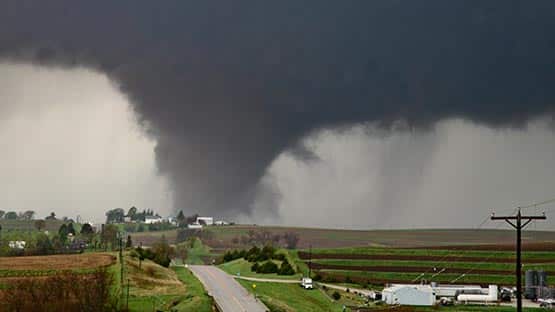
One of the most important things any household can know going into storm season is the difference between tornado watch and warning. A watch means conditions are favorable for tornado development in your area – you should monitor the situation and be ready to act.
A warning means a tornado has been detected or spotted and immediate action is required. Many people treat these as interchangeable. They’re not, and confusing the two has cost lives.
The same distinction applies to other weather alerts. A flood watch and a flood warning are different situations requiring different responses.
A winter storm watch and a winter storm warning are different too. Knowing what each alert actually means – and having a clear plan attached to each – is the starting point for any serious preparedness effort.
Your year-round emergency supply checklist
The foundation of home preparedness is a supply kit that’s ready regardless of the season. The specific threats change, but the core needs don’t.
Supplies every household should have on hand:
- Water – one gallon per person per day for at least three days; more if you have pets or live in a hot climate
- Non-perishable food – a three-day minimum supply that doesn’t require cooking; include a manual can opener
- Flashlights and batteries – one per person, with fresh batteries checked annually
- First aid kit – stocked with bandages, antiseptic, pain reliever, and any prescription medications in a sealed container
- Battery or hand-crank radio – to receive emergency alerts when power is out and cell service is unreliable
- Copies of important documents – insurance cards, identification, medication lists, emergency contacts, stored in a waterproof bag
- Cash in small bills – ATMs and card readers don’t work when the power is out
- Extra phone charger or power bank – a charged backup keeps communication open in the first hours of an emergency
Seasonal additions
Core supplies carry you through any emergency, but seasonal preparation adds another layer that matters when the specific threat arrives.
- Winter: Extra blankets, hand warmers, ice melt for walkways, an emergency car kit with jumper cables and a snow shovel, and a plan for what to do if your heat fails. Pipes that freeze and burst cause significant damage – know where your water shutoff is.
- Spring and Summer: Tornado season runs from spring through early fall across much of the country. Identify a safe room in your home – an interior room on the lowest floor, away from windows. Have shoes accessible near where you sleep, because broken glass is one of the most common injuries in storm aftermath. Keep a battery-operated weather radio charged and within reach.
- Fall and Winter: Fire risk increases as heating systems come back online after months of disuse. Have your furnace inspected before you need it. Test smoke and carbon monoxide detectors, replace batteries, and check fire extinguisher pressure. Know two ways out of every room in your home.
What to do when an alert is issued
Having supplies is one thing. Having a clear plan attached to each alert level is what turns those supplies into an actual response.
Steps to take when a warning – not a watch – is issued:
- Tornado warning – move immediately to your designated safe room; do not wait to see what develops outside
- Flash flood warning – move to higher ground; avoid driving through standing water, which is responsible for more flood fatalities than any other cause
- Winter storm warning – stay home if possible; if you must drive, tell someone your route and expected arrival time
- Severe thunderstorm warning – stay indoors, away from windows, and unplug sensitive electronics
Communicating with your household
A plan only works if everyone in the household actually knows it. That means a designated meeting point if family members are separated, a contact outside your area who can relay information between household members if local cell networks are overloaded, and a clear understanding of where the supplies are and how to use them quickly.
Children old enough to understand should know the family emergency plan and be able to explain it back. Older adults in the household may have specific medical needs that require additional preparation – prescription stockpiles, medical equipment backups, or transportation needs that require advance coordination with neighbors or local emergency services.
Preparedness isn’t a single afternoon project. It’s checking the kit twice a year, replacing expired items, updating it when household circumstances change, and making sure everyone who lives in the home knows exactly what to do when an alert changes from a watch to a warning.
This content is provided for informational purposes only and is not a substitute for professional advice. AFP editorial staff were not involved in the creation of this content.

 Share
Share