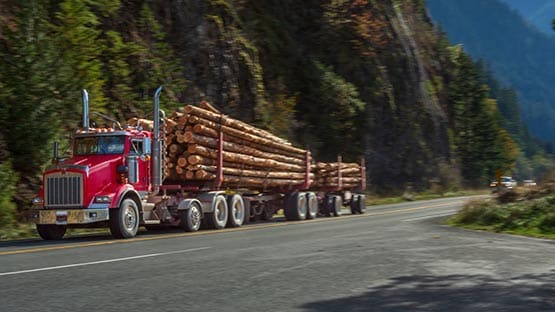
The physics of a high-speed highway environment leave no room for error when heavy cargo becomes detached. A metal component striking the pavement at seventy miles per hour transforms into a lethal projectile. The energy released is enough to crush a vehicle instantly.
Improperly secured freight creates an immediate and unpredictable obstacle course for every motorist sharing the road today. Drivers often have less than a second to react when objects fall toward their windshield. This scenario leads to catastrophic chain reaction pileups involving multiple lanes of traffic.
Investigating these disasters requires a sophisticated understanding of mechanical engineering and transport safety. Because evidence is often scattered, it is vital to act quickly after events. Many families find that documenting lost load truck accidents is the only way to hold parties responsible.
Federal cargo securement rules
Federal law mandates strict adherence to specific securement standards for every type of commercial freight moved. These regulations dictate the strength and number of tie-downs required to prevent shifting during transit. Carriers must verify that their equipment is rated for the total weight.
Bracing techniques are also required to keep heavy items from sliding forward or backward during sudden stops. If a load is not balanced, the momentum of a braking truck can snap the straps. This creates a lethal hazard for those traveling behind the vehicle.
Tarping requirements serve as an additional layer of protection for smaller debris like gravel or scrap metal. Failing to cover a load allows vibrations to shake loose material onto the road. These rules are essential for maintaining safety for everyone on the public highway.
Multi-party liability in cargo incidents
Determining liability in a lost load case involves looking at every entity involved in the shipping process. The driver has a fundamental duty to inspect their cargo at regular intervals to ensure nothing has come loose. Their failure to check the straps is primary negligence.
However, the company that loaded the trailer may also be responsible if they used improper techniques or faulty equipment. Many loading facilities are separate businesses that operate under their own safety protocols. Identifying their role in the failure is essential for a complete claim.
The motor carrier itself bears the ultimate responsibility for the actions of its employees and the condition of its fleet. If a company provides worn out straps or fails to train drivers on securement, they are liable. Sorting through these layers ensures accountability.
The sudden emergency defense
Defendants in these cases often attempt to use the sudden emergency doctrine to shift blame to the victim. This theory suggests that a driver who makes an error while reacting to an unexpected hazard should not be held responsible for the resulting crash outcome.
Courts carefully examine whether the reaction was reasonable given the extreme circumstances of a falling object. If a driver swerves to avoid a heavy crate, they are acting in a moment of panic. This defense is frequently used by insurance companies to deny claims.
Overcoming this argument requires proving that the hazard was so sudden that no ordinary person could have avoided it. It highlights the importance of holding the original truck owner liable for creating the emergency. This legal battle is a central part of the litigation.
Utilizing accident reconstruction
Accident reconstruction experts play a vital role in linking the debris found at the scene to a specific vehicle. They analyze the impact marks on the pavement and the distribution of the materials to determine the trajectory of the falling load. This science is undeniable.
Forensic analysis can often match a piece of equipment or a unique batch of cargo to a company’s shipping manifest. Even if the driver did not stop, the physical evidence left behind acts as a fingerprint. This process is essential for identifying phantom vehicles.
Technical data from highway cameras and nearby sensors further supports these findings by placing the truck at the location. Linking the physics of the spill to the time of the crash creates a solid foundation. This evidence is the key to proving the origin.
Conclusion
Preventable load-related catastrophes are a serious threat to public safety that should never occur in a well regulated industry. When companies prioritize speed over securement, they are choosing to put lives at risk for profit. Accountability is the only way to drive meaningful change.
The legal path for victims involves a complex investigation into federal violations and corporate negligence. It requires a dedicated effort to untangle the layers of liability and secure facts. This process ensures that families are protected from the financial ruin caused by these crashes.
Holding negligent carriers responsible makes the highways safer for everyone who shares the road today. It sends a message that safety standards must be respected at every stage of the journey. Protecting the rights of victims is a necessary part of ensuring justice and stability.
This content is provided for informational purposes only and is not a substitute for professional advice. AFP editorial staff were not involved in the creation of this content.


 Share
Share