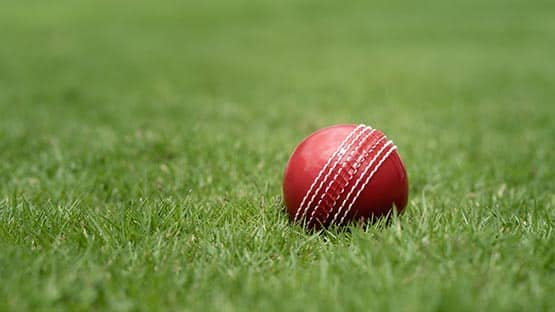
Indian Premier League, or IPL, history has never moved in a straight line. Rajasthan Royals winning the 2008 final by three wickets over Chennai Super Kings gave the league a scruffy first champion, not a corporate coronation. Since then, the tournament has been remade by Chris Gayle’s 175*, Mumbai Indians’ one-run 2019 final win over CSK, Virat Kohli’s 973-run 2016 season, and Punjab Kings chasing 265 in 2026. The league remembers scoreboards first, then the noise around them.
Gayle made 175 feel like a weather event
The highest score in IPL by a batter still belongs to Chris Gayle, whose 175 not out for Royal Challengers Bengaluru against Pune Warriors India in April 2013 turned M. Chinnaswamy Stadium into a hitting range. He reached 100 off 30 balls, and the field stopped looking like a protection plan. The stranger detail was how often the ball disappeared straight rather than square, as if length itself had been canceled. Sunrisers Hyderabad later pushed the team record to 287/3 against RCB in 2024, but Gayle’s innings remains the night when the league learned how absurd one player could make 20 overs feel.
Betting screens started following ball-by-ball pressure
The tournament’s record surge has changed how betting audiences read a match. A 58-run powerplay no longer settles an innings projection when Impact Player depth can keep six-hitting alive after the 15th over. During that kind of over-by-over swing, ipl betting app in India becomes a search habit tied to live odds, innings runs, wicket markets, cash-out status, and bankroll limits. The better reading is tactical: a left-arm spinner into a short leg-side boundary changes the price faster than a graphic on television. Serious users also have to check legality, KYC exposure, and platform terms before treating any money-based app as part of the match routine.
Punjab turned a chase into an audit of fear
The highest run chase in IPL now belongs to Punjab Kings, which chased 265 against Delhi Capitals at Arun Jaitley Stadium on April 25, 2026, with seven balls left. That broke the mark PBKS had set in 2024 against Kolkata Knight Riders at Eden Gardens, when Jonny Bairstow’s unbeaten 108 made 262 look almost planned. The 2026 chase felt different because Shreyas Iyer stayed calm at the back end and Delhi’s fielders kept looking toward the rope before the ball arrived. Modern IPL batting has made panic a bad tactic.
Five titles still cast the longest shadow
The best IPL team argument usually starts with Mumbai Indians and Chennai Super Kings because each franchise owns five titles, and each built its dynasty differently. Mumbai leaned on bursts of late-season force under Rohit Sharma, while CSK carried its old calm through MS Dhoni, Stephen Fleming, and the Chepauk spin plan. In that comparison, MelBet India sits naturally in the fan’s second-screen routine when odds boards, title futures, and playoff qualification prices move after one away win. A four-sentence betting read is not enough; title markets need net run rate, remaining fixtures, venue splits, and whether a bowling attack can defend 180 without dew help. The small tell is often field placement: CSK has long made deep midwicket feel occupied even before the slog begins.
Chahal’s numbers keep the bowler debate honest
The best bowler in IPL is not only a wickets column, but Yuzvendra Chahal gives the debate a hard starting point as the league’s first 200-wicket bowler. Jasprit Bumrah owns the death-over aura, Sunil Narine changed powerplay economics, and Bhuvneshwar Kumar made swing matter on nights when the white ball behaved for only 10 deliveries. Chahal’s case rests on repetition: googly, wider legbreak, slower pace, same nerve. In a batting league that now treats 200 as a checkpoint, the bowler who can steal two overs for 13 runs still changes the match before the highlights notice him.
This content is provided for informational purposes only and is not a substitute for professional advice. AFP editorial staff were not involved in the creation of this content.




 Share
Share