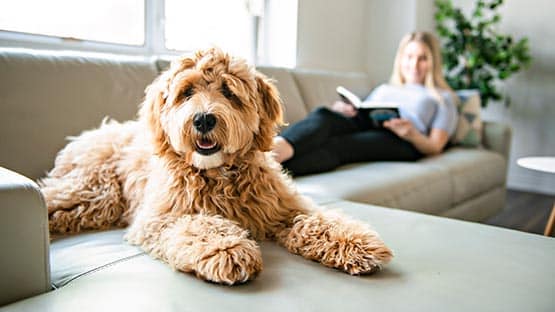
Raising a well-mannered indoor dog can be incredibly fulfilling for Australian pet owners. Whether you’re living in a busy Sydney apartment, a quiet suburban house, or a regional property, building a calm and respectful companion indoors takes patience, clear structure, and a good understanding of how dogs think and learn. With consistency and the right environment, dogs can feel safe, relaxed, and happy while sharing your everyday living space.
Successful indoor living also relies on strong foundations in dog training and obedience. Establishing clear routines, reinforcing positive behaviors, and providing regular mental stimulation help your dog stay balanced, confident, and easy to manage at home. By combining thoughtful training with a supportive environment, you can create a peaceful household where both you and your dog thrive.
Understanding your dog’s needs in an indoor environment
Before focusing on training techniques, it is important to recognize that dogs are naturally active and curious animals. Indoor living does not mean limiting their instincts; instead, it involves adapting your home environment to meet their physical and emotional needs. Regular walks, interactive toys, and structured routines help prevent boredom, which is often the root cause of unwanted behaviors such as excessive barking or chewing.
Australian climates can vary widely, from humid coastal regions to dry inland areas, making indoor living an appealing option for many pet owners. However, temperature control alone is not enough. Dogs require consistent stimulation, safe spaces to rest, and opportunities to explore new scents and experiences, even within the home.
Establishing clear rules and boundaries
One of the most effective ways to raise a well-behaved indoor dog is by setting clear household rules from the beginning.
Decide where your dog is allowed to sleep, whether furniture is off-limits, and how you expect them to behave around guests. Consistency among family members is essential; mixed messages can confuse your dog and slow the training process.
Positive reinforcement is widely recommended by Australian trainers and veterinarians. Reward calm behavior with praise, treats, or playtime rather than relying on punishment. Dogs learn faster when they associate good choices with positive outcomes. Simple cues such as “sit”, “stay”, and “leave it” form the foundation of indoor manners and help prevent accidents or destructive habits.
The importance of early socialization
Even indoor dogs need regular social interaction. Exposure to different sounds, people, and environments helps prevent anxiety and fear-based reactions. For Australian dog owners, this might include visits to local dog-friendly parks, short car trips, or meeting neighbors in a controlled setting.
Puppy preschool classes, commonly available through veterinary clinics or local trainers, can provide a structured introduction to socialization. Adult dogs can also benefit from gradual exposure to new experiences, provided the process is calm and supervised.
Managing energy levels through routine
Indoor dogs often struggle when their energy needs are not met. Establishing a daily routine that includes exercise, feeding times, and training sessions creates predictability and reduces stress. Morning walks, short training drills, and puzzle feeders are excellent ways to channel your dog’s energy productively.
In many Australian households, owners balance work-from-home arrangements with pet care. Scheduling short enrichment activities throughout the day can prevent attention-seeking behaviors such as jumping or whining during video calls. Mental exercise is just as important as physical activity; scent games, hide-and-seek with treats, or rotating toys can keep your dog engaged indoors.
Creating a calm indoor space
A well-behaved dog requires a calm and structured environment. Designate a quiet resting area, such as a comfortable bed or crate, where your dog can relax without interruption. This space should feel safe and predictable, helping your dog settle during busy household moments.
Noise management is another key consideration. Australian homes can be lively, especially with children or frequent visitors. Teaching your dog to remain calm during doorbells, deliveries, or gatherings reduces stress for both pet and owner. Gradual desensitization to common household sounds can make a significant difference over time.
Addressing common indoor behavior challenges
Many indoor dog owners encounter similar issues, including toilet training setbacks, separation anxiety, and excessive barking. Consistent routines and clear communication are essential for overcoming these challenges. For example, scheduled toilet breaks and immediate praise for correct behavior can accelerate house training.
If separation anxiety develops, start by leaving your dog alone for short periods and gradually increasing the duration. Providing enrichment toys or background noise, such as a radio, can help create a sense of normalcy while you are away.
When to seek professional support
Sometimes, professional guidance is necessary to achieve the best results. Accredited Australian dog trainers and behaviorists can offer personalized strategies tailored to your dog’s breed, age, and temperament. Early intervention often prevents minor issues from becoming long-term behavioral problems.
Final thoughts
Raising a well-behaved indoor dog is a journey that combines structure, empathy, and consistency. By understanding your dog’s needs, establishing clear boundaries, and maintaining a balanced routine, you can create a harmonious home environment that benefits both you and your pet. With patience and thoughtful training, indoor dogs can become calm, confident companions who integrate seamlessly into modern Australian living.
This content is provided for informational purposes only and is not a substitute for professional advice. AFP editorial staff were not involved in the creation of this content.




 Share
Share