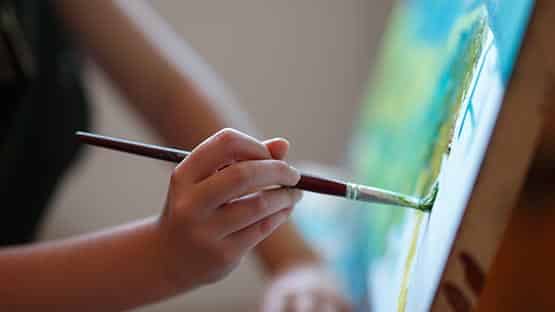
Starting a painting journey is an inspiring step into creativity, but it can also feel a little intimidating at first. With countless options lining art store shelves, many beginners find it challenging to choose the right medium that matches their style, experience level, and artistic vision. Understanding the basics can make the process far more enjoyable and help you begin with confidence.
In this beginner-friendly guide, we explore different Paints For Art, breaking down their textures, uses, and strengths so you can discover what works best for you. From vibrant acrylics to classic oils and versatile watercolors, you’ll learn practical tips and simple insights that make selecting your first paints easier and more exciting.
Understanding the basics of art paints
Before purchasing supplies, it’s important to understand that different paints behave in different ways. Each medium varies in drying time, texture, color intensity, and required tools. Knowing these fundamentals will help you avoid unnecessary expenses and frustration as you develop your skills.
Most art paints fall into four main categories: acrylic, oil, watercolor, and gouache. While all can produce beautiful artwork, they offer very different experiences for beginners.
Acrylic paints: Versatile and beginner-friendly
Acrylic paint is often recommended as a starting point for new artists. Made from pigment suspended in a fast-drying polymer emulsion, acrylics are known for their flexibility and ease of use.
Key advantages include:
- Fast drying time, ideal for quick layering
- Easy clean-up with water
- Compatibility with various surfaces such as canvas, paper, and wood
Because acrylic paints dry quickly, they allow beginners to experiment without waiting hours between layers. Many Australian artists appreciate acrylics for their practicality in warmer climates, where slower-drying paints may feel cumbersome.
However, beginners should be aware that the rapid drying time can make blending colors slightly more challenging until technique improves.
Oil paints: Rich color and traditional appeal
Oil paints have been used by artists for centuries and are admired for their luxurious texture and vibrant, deep colors. They consist of pigment mixed with natural oils, which gives them a slow drying time.
Benefits of oil painting include:
- Extended blending time for smooth transitions
- Rich, glossy finishes
- Long-lasting durability
While oil paints offer incredible results, they may require more patience and preparation. Artists need solvents, specialized mediums, and proper ventilation, which can feel overwhelming for beginners. Still, many painters choose oils once they feel ready to explore traditional fine art techniques.
Watercolor Paints: Light, Expressive, and Portable
Watercolor paints are a favorite among beginners who enjoy loose, expressive artwork. Known for their transparency, watercolors allow light to reflect through layers, creating delicate and luminous effects.
Why beginners often love watercolor:
- Lightweight and portable supplies
- Minimal setup required
- Beautiful soft washes and gradients
Unlike acrylic or oil paints, watercolor demands careful planning because mistakes are harder to correct. However, many artists find the unpredictable nature of watercolor inspiring and creatively freeing.
Gouache Paints: A Unique Blend of Opacity and Control
Gouache is sometimes described as an opaque version of watercolor. It offers bold, matte finishes while still being water-soluble. For beginners who want vibrant color without the complexity of oils, gouache can be an excellent choice.
Notable features include:
- Strong, flat color coverage
- Easy reactivation with water
- Ideal for illustration and design work
Gouache has gained popularity among modern artists, designers, and students thanks to its versatility and smooth finish.
How to choose the right paint as a beginner
Selecting your first art paint should depend on your goals rather than trends. Consider the following factors:
- Your preferred painting style. If you enjoy quick experimentation, acrylics may suit you best. For detailed blending and realism, oil paints could be worth exploring later on.
- Workspace and environment. Artists working in small spaces or at home may prefer water-based paints like acrylic or watercolor, which require less ventilation.
- Budget and materials. Beginner-grade paints are usually affordable and perfectly suitable for practice. Investing in a few quality brushes and surfaces often matters more than purchasing expensive professional paint straight away.
- Drying time. Fast-drying paints support rapid learning, while slow-drying mediums allow more time for refining details.
Essential tips for first-time painters
Starting with the right habits can make your creative journey more enjoyable:
- Begin with a limited color palette to learn mixing fundamentals.
- Experiment on inexpensive paper or canvas before committing to larger projects.
- Keep a sketchbook to practice techniques and track progress.
- Clean tools immediately after painting to extend their lifespan.
Remember that every artist develops their preferences through experimentation. There is no single “best” paint—only the one that aligns with your workflow and artistic vision.
Final thoughts
Choosing your first art paints is an important step toward building confidence as a painter. Acrylic, oil, watercolor, and gouache each offer unique advantages, and understanding their differences will help you avoid confusion as you begin. By starting with beginner-friendly materials and focusing on practice rather than perfection, you can gradually discover the medium that inspires you most.
Whether you plan to paint landscapes inspired by the Australian outdoors or explore abstract creativity at home, the right paint will empower you to bring your ideas to life. Take your time, experiment freely, and enjoy the process of learning something new.
This content is provided for informational purposes only and is not a substitute for professional advice. AFP editorial staff were not involved in the creation of this content.


 Share
Share