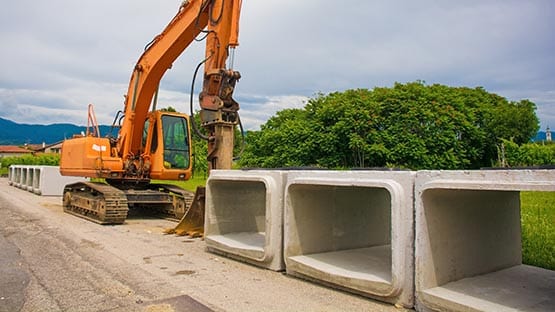
Small concrete box culverts are components of any water management system for minor waterways and home drainage systems. Blocked box culverts can lead to erosion of surrounding soil and damage to the structural systems. In this guide, we will look at eight ways to focus on best practices for installing small concrete box culverts to ensure smooth water flow and drainage system preservation.
1. Plan the installation thoroughly
Location of the culvert, along with water flow direction and the culvert load, will help prevent installation planning. Blockages feed into the sewer system, so assess soil type, slope, and drainage of the system to position the culvert. Planning helps to provide the best fit to the culvert and its system to prevent soil erosion, drainage system clogging or the water flow system’s operational failures.
2. Prepare the site properly
Dig a trench that is wider than the culvert, which will allow the use of bedding material and positional adjustments. The depth of the trench needs to accommodate the culvert and any backfill that is required. With proper trench preparation, the potential problems of settlement and damage to the culvert will be minimized, and it will serve as a good foundation for an installation that is reliable.
3. Use stable bedding
The bedding serves to support the culvert and to prevent shifting or cracking as time progresses. To achieve a firm, level base that distributes weight evenly, use compacted gravel or crushed rock. Do not use soft bedding, as this can cause the culvert to sink or tilt, which can affect the water flow. The right bedding will ensure structural stability and alignment and will prolong the life of the culvert.
4. Position the culvert correctly
Place the small concrete box culverts on the prepared bedding, aligning it with the flow of water. Ensure the inlet and outlet are at the correct elevation and orientation to match the surrounding terrain. Check for level and alignment frequently during installation to avoid tilting or uneven flow. Correct positioning reduces erosion and guarantees the culvert performs as intended under varying water conditions.
5. Backfill carefully
Use suitable material, such as gravel or compacted soil, and place it gradually around the culvert to prevent voids or settling. Compact the backfill in layers to maintain stability and prevent erosion. Avoid heavy machinery directly over the culvert until the backfill is adequately compacted. Proper backfilling ensures the culvert remains secure and the surrounding soil supports the structure effectively over time.
6. Maintain a gentle slope
A consistent gradient prevents pooling and encourages smooth drainage, reducing the risk of blockages or overflow. Consider the natural topography and adjust the slope as necessary to match the surrounding land and drainage paths. Correct slope installation ensures the culvert functions efficiently during heavy rainfall or water surges, protecting infrastructure and reducing maintenance requirements.
7. Inspect and monitor after installation
Check the culvert for signs of blockage, shifting, or erosion around the inlet and outlet. Clear debris promptly and monitor water flow during storms to identify potential issues early. Routine monitoring ensures the culvert continues to perform efficiently and extends its lifespan. By addressing minor problems early, you prevent costly repairs and maintain a safe and reliable drainage system.
8. Protect the inlet and outlet areas
Install headwalls or erosion control fabric around the inlet and outlet to manage water velocity. These protections help stabilize the surrounding ground and reduce the risk of undermining the culvert. Proper inlet and outlet protection also minimizes sediment buildup and erosion during heavy water flow. Reinforcing these areas ensures long-term performance and keeps the drainage system functioning.
Efficient and reliable small culvert installation
Installing small concrete box culverts correctly ensures smooth water flow, structural stability, and long-term performance. Careful planning, proper site preparation, stable bedding, accurate positioning, careful backfilling, consistent slope, and regular inspection are all steps for a successful installation. Proper installation maximizes efficiency and reliability, making small box culverts a durable solution.
This content is provided for informational purposes only and is not a substitute for professional advice. AFP editorial staff were not involved in the creation of this content.


 Share
Share