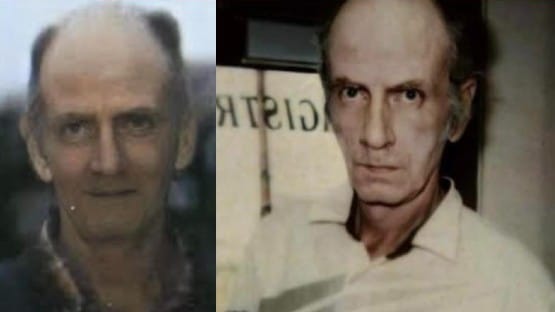
Ozzy Osbourne, the “Godfather of Heavy Metal” and hellraising front man of Black Sabbath, has died.
He was 76.
Dubbed the “Prince of Darkness,” Ozzy Osbourne was a defining voice for heavy metal — both as a solo act and as the lead singer and lyricist of Black Sabbath.
Fifty-five years ago, the band released its second studio album, Paranoid, which included legendary singles like “War Pigs” and “Paranoid.”
Both Osbourne and Black Sabbath’s eminence is unassailable, producing a myriad of tracks that have pervaded the cultural zeitgeist. That includes the world of professional wrestling.
Osbourne won scores of achievements over the years. Among them was Osbourne’s induction in the WWE Hall of Fame, in 2021. The honor stemmed from his appearance in WrestleMania II, where he managed The British Bulldogs alongside Lou Albano. However, Osbourne’s most prolific contribution to professional wrestling has been his music itself.
Today, professional wrestling’s monoliths rely on in-house composers, like Jim Johnston, Mikey Rukus, Def Rebel or Yonosuke Kitamura to produce their entrance themes. Unfortunately, it’s an inexact artform, and mileage may vary. For every homerun like “RAINMAKER” or “The Rising Sun,” there’s a handful of dreadful themes like “Just The Frax” or “Rulers of the World.”
On the American independents, it’s common for pro wrestlers to use hit singles without fear of legal repercussions. For example, Adam Priest and Necro Butcher have both famously used Osbourne’s songs on the independent circuit. The same cannot be said for major promotions, particularly in the United States, where licensing fees can be exorbitant.
In the 1980s, the illicit use of “real music” was rampant in professional wrestling. The Fabulous Freebirds were early pioneers of the movement, using Lynyrd Skynyrd’s “Freebird” to signal their arrival. Other notable examples include Bruiser Brody (“Immigrant Song”), Hulk Hogan (“Eye of the Tiger”), Junkyard Dog (“Another One Bites The Dust”), David Von Erich (“La Grange”), Kevin Von Erich (“Strangehold”), Kerry Von Erich (“Tom Sawyer”) and the U.S. Express (“Born in the USA”).
The connection between professional wrestling and rock ‘n’ roll was alchemic, but it was The Road Warriors who perfected the science. “Iron Man” is the fourth track on Paranoid: a ballad that tells the story of a self-fulfilling prophecy, where a man travels to the future and witnesses doomsday.
Aesthetically, the Road Warriors drew inspiration from the villains featured in the film Mad Max 2: The Road Warrior — a film set in a post-apocalyptic wasteland. So, it was only fitting that the mighty conquerers used Black Sabbath’s apocalyptic anthem as their leitmotif.
The opening riff beckoned The Road Warriors to the ring like the titular “iron man” himself—arriving in a world they were destined to destroy. For their opponents, it was akin to the executioner’s bell, signaling their imminent demise. In conjunction with their ring attire, “Iron Man” created an unmistakable atmosphere in arenas all across the world—fueling the iconic “Road Warriors pop.”
The phenomenon was so successful that when Hawk traveled to New Japan Pro Wrestling in the 1990s to team with Kensuke Sasaki as The Hell Raisers, the duo were given Osbourne’s solo track, “Hellraisers.”
“Iron Man” was more than an entrance theme for The Road Warriors. It defined their identity and made them one of the most magnetic forces in professional wrestling history. It also raised the bar for entrance themes in professional wrestling, reaching a zenith that few tracks have matched over the last four decades.
It was also merely one of Ozzy Osbourne’s numerous contributions to the sport of professional wrestling.
Support AFP



 Share
Share