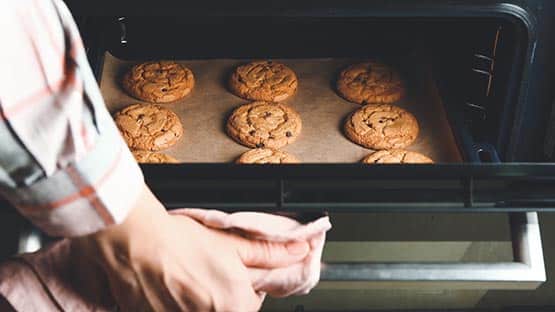
Baking trays are among the most versatile tools in any kitchen, yet they are often underestimated. From crispy roast vegetables to golden cookies, a good tray can handle a wide range of everyday cooking tasks.
While they are sometimes confused with roasting pans or baking dishes, baking trays are typically shallower and designed to promote even heat circulation, making them ideal for fast, high-quality oven cooking. This guide explores practical ways to use baking trays, how they compare to similar cookware, and how to get the most out of them in daily cooking.
1. Baking trays vs. other oven cookware
Understanding the role of baking trays starts with knowing how they differ from other common oven tools.
Baking trays
Baking trays (also called sheet pans or baking sheets) are flat or slightly raised metal pans designed for even heat distribution. Their shallow sides allow air to circulate freely around food, which helps achieve crisp textures and consistent browning. They are commonly used for cookies, pastries, and vegetables.
Roasting pans
Roasting pans are deeper and designed to hold larger portions of food, especially meats. Their higher sides trap juices, making them ideal for gravy or sauce preparation. However, they are less suited for crisp baking because airflow is more restricted.
Baking dishes
Baking dishes are typically made of glass or ceramic and have medium to deep sides. They are often used for casseroles, lasagnas, or baked desserts where moisture retention is important.
In simple terms, baking trays are the most “open” and airflow-friendly option, which is why they excel in crisp and evenly cooked foods.
2. Everyday uses for baking trays
Baking trays are extremely flexible and can be used far beyond baking cookies. Their flat surface and even heating make them a go-to tool for many home cooks.
Roasting vegetables and sheet-pan meals
One of the most popular uses is roasting vegetables like potatoes, carrots, broccoli, and zucchini. The open design allows vegetables to caramelise instead of steam, creating better texture and flavour. Baking trays are also perfect for “sheet-pan meals,” where proteins and vegetables are cooked together for quick, balanced dinners.
Baking cookies, biscuits, and pastries
Cookies and biscuits rely on even heat distribution. Baking trays allow dough to spread and bake evenly without trapping steam, which helps create crisp edges and soft centres. Pastries also benefit from the dry heat environment that trays provide.
Reheating food for better texture
Unlike microwaves, baking trays can reheat pizza, fried food, or pastries while restoring crispness. The dry heat prevents sogginess and revives texture much more effectively.
Toasting nuts and seeds
Nuts and seeds can burn easily if not spread evenly. A baking tray ensures a thin, even layer, allowing controlled browning and better flavour development.
3. Choosing the right baking tray
Not all baking trays perform the same, and choosing the right one can improve your cooking results significantly.
Material matters
Aluminium trays are popular because they heat quickly and evenly. Stainless steel trays are more durable but may heat slightly slower. Non-stick coatings are helpful for easy cleanup but may wear over time with heavy use.
Rimmed vs. flat trays
Rimmed trays are more versatile because they prevent oil, juices, or small ingredients from spilling over. Flat trays, however, provide better airflow and are ideal for crisp baking.
Size and thickness
Thicker trays tend to resist warping at high temperatures and distribute heat more evenly. Standard sizes are designed to fit most ovens, making them convenient for everyday use.
4. Cooking tips for better results
Even a good baking tray performs better with the right techniques.
Avoid overcrowding
Spacing food properly allows hot air to circulate. Overcrowding traps steam, which can lead to soggy results instead of crisp textures.
Use parchment paper or silicone mats
These help prevent sticking and make cleanup easier, especially when baking sticky or sugary foods.
Preheat the tray for extra crispiness
For foods like roasted potatoes, placing ingredients on a preheated tray can help achieve a crispier exterior faster.
Rotate during baking
Ovens often have hot spots. Rotating the tray halfway through cooking ensures more even browning.
Conclusion
Baking trays are one of the most practical and versatile tools in home cooking. Whether you’re roasting vegetables, baking sweets, or reheating leftovers, they provide consistent results and reliable performance. By understanding how they differ from roasting pans and baking dishes, and by choosing the right material and style, you can significantly improve everyday cooking outcomes. A simple baking tray may seem basic, but it is one of the most powerful essentials in any well-equipped kitchen.
This content is provided for informational purposes only and is not a substitute for professional advice. AFP editorial staff were not involved in the creation of this content.


 Share
Share