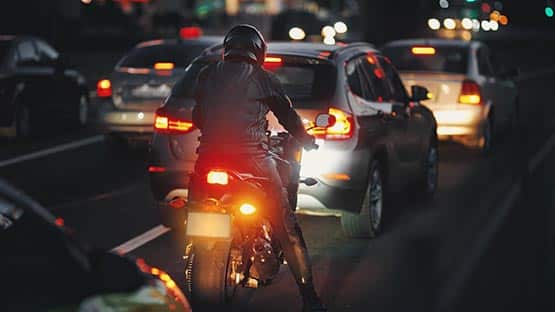
Safe riding requires sharp reflexes and a constant awareness of the surrounding traffic on any busy street. When a negligent driver fails to yield the right of way, a motorcyclist faces immediate physical danger regardless of their personal experience.
The immediate aftermath of these traumatic highway incidents often involves intensive hospital care, long recovery periods, and overwhelming financial stress. Opposing insurance adjusters immediately look for clever ways to minimize their financial payouts by closely scrutinizing the rider’s choices during the crash.
They regularly raise intense questions about protective gear to avoid paying for the severe damage their policyholder caused on the public road. This common defensive tactic leaves many injured riders wondering can I sue for a motorcycle accident without a helmet when seeking civil justice.
Legal realities of shared responsibility
Most jurisdictions operate under a legal system known as comparative negligence when determining financial liability after a roadway collision. This specific framework allows local courts to assess the actions of everyone involved to see if multiple parties contributed to the resulting physical harm.
If a rider chooses to travel without head protection, the corporate defense will argue that this individual decision represents a clear failure to exercise reasonable care. They actively attempt to assign a specific percentage of fault to the victim for their resulting physical injuries.
This shared accountability can reduce the final financial recovery by the exact percentage of responsibility assigned to the rider. This financial reduction typically applies directly to medical damages associated with head or neck trauma rather than impacting the entire injury claim settlement total.
Separating distinct bodily damages
It is vital to separate different types of bodily injuries when evaluating how safety gear choices affect a civil legal case. Protective equipment like helmets is specifically engineered to protect the skull and brain during a sudden impact event on the open highway.
When a motorcyclist sustains orthopedic injuries such as a broken leg, fractured arm, or severe road rash, a missing helmet has zero physical relevance to those specific painful wounds. The defense cannot logically argue that proper headgear prevents skeletal damage during vehicle collisions.
Insurance carriers must evaluate these distinct medical treatments completely independently from any head protection discussions. A dedicated legal team always ensures that compensation for clear, unrelated bodily injuries remains fully protected regardless of the safety equipment worn by the rider during that specific crash.
Analyzing impact physics and mitigation
Proving whether a helmet would have made a real physical difference requires a highly detailed, scientific look at the accident scene. Advocates work closely with medical experts and forensic specialists to reconstruct and analyze the precise physical forces of that violent roadway collision.
These experienced professionals analyze the angle of impact, vehicle speeds, and physical movement to determine if safety gear could actually prevent the trauma. If the impact was overwhelmingly severe, a standard helmet might not have successfully changed the final medical diagnosis or outcome.
This objective scientific data helps counter speculative arguments made by insurance companies trying to shift the blame onto the rider. Physical proof provides the ultimate clarity needed to show that third party negligence remains the primary cause of the physical harm that was endured.
Navigating statutory rules and evidence
Local statutes play a major role in shaping how a recovery claim moves forward after a severe highway incident. Some states mandate head protection for all motorcycle operators, while other regional laws only require it for individuals under a specific, designated legal age.
Violating a statutory safety law can create a challenging legal presumption of negligence on the part of the rider. The defense will eagerly use this specific violation to try to influence the jury and argue that the victim actively ignored clear safety guidelines.
Navigating these statutory guidelines requires a clear, precise presentation of the facts to ensure the court remains focused entirely on the driver’s reckless actions. Overcoming these legal hurdles remains absolutely essential for protecting your right to seek complete and fair financial compensation after collisions.
Securing advocacy for your recovery
Resolving a complex motorcycle accident claim requires a deep, practical view of how safety gear decisions interact with local civil liability frameworks. Separating rider choices from a driver’s clear negligence remains absolutely essential to building a highly compelling, successful civil case for damages.
A dedicated legal professional knows how to successfully counter common insurance tactics that unfairly focus on missing protective equipment. They gather the necessary forensic evidence to keep the primary focus on the negligent party who actually caused that specific, sudden, violent highway crash.
Having the right advocate on your side ensures that your legal rights are fully protected throughout the entire insurance negotiation process. This critical professional support provides the peace of mind you need to focus entirely on your ongoing physical recovery, medical care, and future.
This content is provided for informational purposes only and is not a substitute for professional advice. AFP editorial staff were not involved in the creation of this content.




 Share
Share