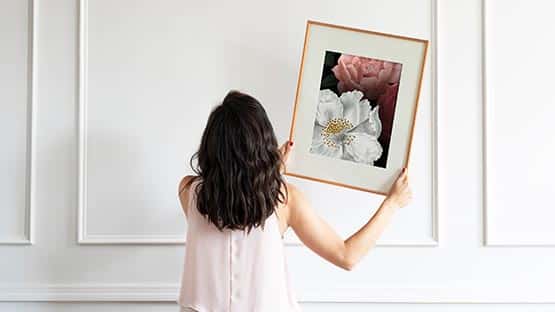
Selecting the perfect custom picture frame is about far more than choosing a border that looks attractive. The right frame enhances the artwork, protects it from environmental damage, and ensures it complements your interior space. Whether you are framing a family photograph, a limited-edition print, a canvas painting or an original work on paper, careful consideration of materials, proportions and presentation will ensure a polished and lasting result.
In Australia’s diverse climate, from coastal humidity to dry inland heat, choosing the correct framing materials is also essential for long-term preservation. Below is a comprehensive guide to help you choose the perfect custom picture frames for any artwork.
Understand the purpose of the frame
Before selecting colors or styles, consider what you want the frame to achieve. A custom frame serves three primary purposes:
- Protection – Safeguarding artwork from dust, moisture, UV light and physical damage.
- Presentation – Enhancing the visual impact without overpowering the piece.
- Integration – Ensuring the artwork complements the surrounding space.
A thoughtful approach balances all three factors rather than focusing purely on aesthetics.
Match the frame style to the artwork
The frame should support the artwork rather than compete with it. As a general rule, simple frames suit detailed or colorful artworks, while more ornate frames can complement traditional oil paintings or classical portraits.
For example:
- Modern photography and abstract art often pair well with sleek timber or metal frames in black, white or natural oak.
- Traditional paintings may benefit from more decorative moldings in warm wood tones or subtle metallic finishes.
- Minimalist line drawings or prints look striking in understated frames with generous matting.
When in doubt, neutral tones provide versatility and longevity, particularly if you anticipate redecorating in the future.
Choose the right frame material
Frame material affects both durability and appearance. The most common options include timber, metal and composite materials.
Timber frames are popular for their warmth and versatility. Hardwoods offer durability and a premium feel, while softer woods can provide a lighter, contemporary aesthetic.
Metal frames create a clean, modern look and are often used for photography and contemporary prints. They are lightweight yet strong, making them ideal for larger pieces.
When selecting materials, consider the artwork’s weight and size. Larger artworks may require more robust frame construction for stability and safety.
Consider proportion and scale
Proportion is one of the most overlooked aspects of framing. A frame that is too narrow may feel insignificant, while one that is overly wide can overwhelm the artwork.
As a guideline:
- Smaller artworks often benefit from slightly wider frames to add presence.
- Large statement pieces may require balanced, substantial moldings that anchor them visually.
The frame width should feel proportional to both the artwork and the wall space where it will be displayed.
The importance of matting
Matting (also known as a mount board) provides visual breathing room between the artwork and the frame. It enhances presentation and prevents the artwork from touching the glazing.
White or off-white mats are classic and versatile, helping draw attention to the artwork itself. However, colored mats can subtly highlight tones within the piece when selected carefully.
For works on paper, acid-free mat boards are essential. They prevent yellowing and deterioration over time, particularly important in Australia’s varied environmental conditions.
Select the right glazing
Glazing protects artwork from dust, moisture and UV exposure. The two main options are glass and acrylic.
Standard glass is affordable and provides clear visibility.
UV-protective glass reduces fading caused by sunlight, making it ideal for artworks displayed in bright rooms.
Acrylic glazing is lighter and shatter-resistant, often used for larger pieces or in households with children.
In Australian homes, where sunlight can be intense, UV-protective glazing is a worthwhile investment, particularly for valuable or sentimental pieces.
Think about location and lighting
Consider where the artwork will hang. Is it in direct sunlight? A high-humidity area? A hallway with heavy foot traffic?
For coastal homes, humidity-resistant backing materials are advisable. In bright living areas, anti-reflective or UV-protective glazing reduces glare and protects colours from fading.
If the artwork will be displayed under artificial lighting, ensure the frame finish complements the room’s tone. Matte finishes reduce glare, while glossy finishes can create visual contrast.
Custom framing vs ready-made frames
While ready-made frames may be convenient and affordable, custom framing offers several advantages:
- Precise sizing for non-standard artworks
- Higher-quality materials
- Professional preservation techniques
- Greater design flexibility
Custom framing ensures the artwork is properly supported and protected, particularly important for valuable or irreplaceable pieces.
Preservation and archival considerations
For original artworks, limited-edition prints, or sentimental pieces, archival framing techniques are essential. This includes acid-free backing boards, conservation-grade adhesives and proper spacing between the artwork and glazing.
Over time, inferior materials can cause discoloration, warping or permanent damage. Investing in professional conservation framing protects the artwork’s integrity and value.
If framing artwork with significant financial or emotional value, consult a professional framer experienced in archival methods.
Align the frame with your interior design
A frame should harmonize with the surrounding décor. Consider existing furniture, flooring and color palettes. A cohesive approach enhances the overall aesthetic of the space.
In contemporary Australian homes, natural timber tones, matte black frames and minimalist profiles are increasingly popular. However, heritage-style interiors may suit ornate moldings and classic finishes.
If you plan to create a gallery wall, consistency in frame color or style can provide visual unity, even when displaying diverse artworks.
Budget and long-term value
Custom framing prices vary depending on size, materials and glazing options. While it may be tempting to prioritize cost savings, framing is an investment in both presentation and protection.
A well-framed artwork can last decades, maintaining its visual appeal and structural integrity. Choosing quality materials upfront often proves more economical in the long term.
Final thoughts
Choosing the perfect custom picture frame requires thoughtful consideration of style, proportion, material and preservation. The right frame enhances the artwork without overpowering it, protects it from environmental factors, and integrates seamlessly into your interior space.
In Australia’s varied climate, quality materials and UV protection are particularly important. By investing in professional custom framing and prioritizing archival standards where appropriate, you ensure your artwork remains vibrant and protected for years to come.
This content is provided for informational purposes only and is not a substitute for professional advice. AFP editorial staff were not involved in the creation of this content.


 Share
Share