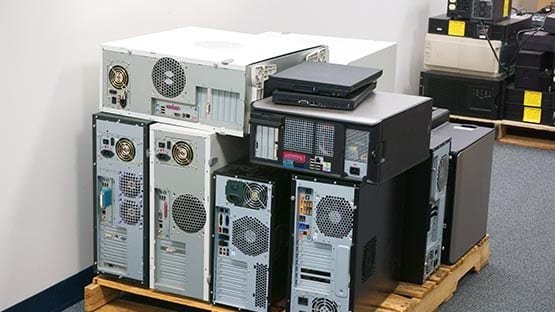
In Augusta County, where healthcare providers, financial firms, government contractors, and small businesses all handle sensitive data, the end of a device’s life is rarely the end of its risk. Old laptops, servers, and storage drives often hold fragments of information long after they leave daily use. That quiet gap between “no longer needed” and “securely retired” has become a real point of concern.
Businesses have started to pay closer attention to how they manage aging technology, especially as regulations tighten and cyber threats become more persistent. Proper disposal is no longer a back-office task. It is part of a broader effort to protect customer trust, meet compliance standards, and reduce exposure.
That is where structured recovery programs have gained traction. Instead of treating old equipment as waste, organizations are treating it as a controlled process that requires planning, documentation, and accountability.
1. Closing the data exposure gap
The moment a device becomes inactive, it becomes vulnerable if not handled properly. Hard drives, solid-state storage, and even embedded memory can retain sensitive data long after deletion.
IT asset recovery services address this gap by ensuring that every device is tracked, processed, and sanitized according to strict protocols. This reduces the chance that leftover data can be accessed, whether through resale, recycling, or improper disposal.
For Augusta County businesses dealing with patient records or financial data, this step is not optional. It is a foundational layer of cybersecurity that begins at the end of a device’s lifecycle.
2. Supporting regulatory compliance requirements
Compliance is not just about active systems. It extends to how organizations dispose of information once it is no longer needed. Regulations such as HIPAA, FACTA, and various state privacy laws require secure data destruction and proper documentation.
Companies that rely on IT asset recovery services gain a structured approach to meeting these requirements. This includes:
- Documented chain of custody from pickup to final processing
- Verified data destruction methods aligned with industry standards
- Certificates of destruction for audit and reporting purposes
These records provide clarity during audits and help organizations demonstrate that they are handling data responsibly at every stage.
3. Reducing human error in device disposal
Even well-managed businesses can run into problems when disposal is handled informally. Devices may sit in storage rooms, be handed off without documentation, or be discarded without proper data wiping.
A formal recovery process removes guesswork and reduces reliance on internal staff to manage something outside their core responsibilities. Instead of ad hoc decisions, there is a repeatable system that ensures consistency.
This shift is especially helpful for growing businesses in Virginia that are scaling their operations and need dependable processes rather than one-off solutions.
4. Creating a clear chain of custody
One of the most overlooked risks in device disposal is the lack of visibility once equipment leaves the building. Without a clear chain of custody, it becomes difficult to verify what happened to each asset.
Recovery programs address this by tracking equipment from collection to final disposition. Each step is recorded, which helps businesses maintain accountability and traceability.
A clear chain of custody is not just about security. It also provides peace of mind for leadership teams that need to answer questions from regulators, clients, or internal stakeholders.
5. Aligning IT practices with environmental responsibility
In Augusta County, sustainability has become an increasing focus for both businesses and the community. Disposing of IT equipment responsibly supports that effort while also reducing risk.
ITAM services often prioritize reuse and refurbishment when possible, followed by responsible recycling. This approach keeps materials out of landfills and ensures that hazardous components are handled safely.
From a business perspective, this alignment matters. Customers and partners are paying closer attention to how companies manage waste, especially electronic waste. Responsible recovery practices contribute to a stronger public image without requiring major operational changes.
6. Recovering residual value from old equipment
Not every retired device is worthless. Many still hold value, especially when handled through structured recovery programs.
Organizations can benefit from:
- Resale or refurbishment opportunities for usable equipment
- Component harvesting for parts that retain value
- Transparent reporting on recovered value
This financial return helps offset the cost of new technology investments. It also encourages businesses to view asset retirement as part of a lifecycle strategy rather than a loss.
In a practical sense, Augusta County businesses that adopt this mindset often find it easier to budget for upgrades while maintaining strong security practices.
7. Strengthening internal IT governance
Good cybersecurity depends on strong internal processes. Asset recovery plays a direct role in that structure by introducing clear policies around device retirement.
When organizations integrate IT asset recovery services into their governance framework, they establish:
- Defined timelines for device decommissioning
- Standard procedures for data sanitization
- Clear roles and responsibilities within IT teams
This level of organization reduces confusion and ensures that security practices are followed consistently across departments.
It also helps align IT operations with broader business goals, including compliance, risk management, and operational efficiency.
8. Preparing for audits and risk assessments
Audits often reveal gaps that businesses did not realize existed. Device disposal is a common area where documentation falls short or processes lack consistency.
A structured recovery approach makes audits far less stressful. Instead of scrambling to explain past decisions, organizations can present clear records and standardized procedures. Auditors typically look for:
- Evidence of secure data destruction
- Documentation of asset tracking
- Proof of compliance with relevant regulations
Having these elements in place not only simplifies audits but also strengthens the organization’s overall risk profile.
9. Supporting remote and hybrid work environments
Augusta County businesses, like many across the country, have adapted to remote and hybrid work models. This shift has made device tracking and recovery more complex.
Laptops, mobile devices, and other equipment are no longer confined to a central office. When employees leave or devices are replaced, retrieving and processing those assets becomes a logistical challenge.
Recovery programs help manage this complexity by offering coordinated collection and tracking systems. This ensures that devices are returned, accounted for, and securely processed regardless of where they were used. It also reduces the risk of lost or forgotten equipment that still contains sensitive information.
10. Building long term cybersecurity resilience
Cybersecurity is often discussed in terms of firewalls, monitoring tools, and threat detection. While those elements are critical, resilience also depends on how well an organization manages its physical assets.
IT asset recovery services contribute to this resilience by addressing a quieter but equally important risk. They ensure that outdated technology does not become a weak link in an otherwise strong security posture.
For Augusta County businesses, this approach reflects a broader shift toward proactive risk management. Instead of reacting to incidents, organizations are building systems that prevent problems before they arise.
That mindset extends beyond IT departments. It becomes part of how the business operates, makes decisions, and protects its relationships with customers and partners.
A closing perspective
As technology continues to evolve, the volume of retired equipment will only increase. Each device represents both a potential risk and an opportunity to handle data responsibly.
Businesses in Augusta County are recognizing that secure recovery is not a side task. It is a necessary part of modern operations, closely tied to cybersecurity, compliance, and long-term planning.
By putting structured processes in place, organizations gain more than protection. They gain clarity, accountability, and a stronger foundation for growth in an environment where trust and data security carry real weight.
This content is provided for informational purposes only and is not a substitute for professional advice. AFP editorial staff were not involved in the creation of this content.




 Share
Share