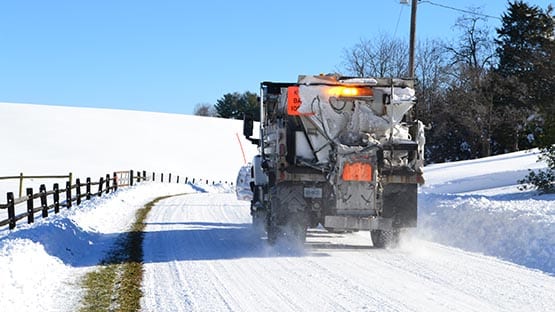
The Virginia Department of Transportation is gearing up for the winter season, inspecting equipment and stocking supplies to be prepared for snow and ice when it arrives.
With the potential for snow early next week, VDOT is also reminding drivers to get their vehicles ready for bad weather.
VDOT is responsible for treating nearly 60,000 miles of state-maintained roads before and during a storm.
The agency stocks materials to treat roads before and during a snow event, which includes more than 625,000 tons of salt, sand and treated abrasive, as well as more than 2 million gallons of brine.
“Virginians count on VDOT to provide a safe and reliable transportation system, and preparation is key to keeping the roads as clear of snow and ice as possible so the public can safely travel on them,” said Kevin Gregg, VDOT chief of maintenance and operations.
“VDOT is prepared for the season ahead, and we’re urging the public to prepare themselves as well to help make this winter a safe one.”
ICYMI
Preparation for winter is a year-round activity for VDOT with crews checking equipment and performing test-runs on clear roads to prepare for snowy and icy conditions. Crews also use snowplow simulators to practice driving through various obstacles.
VDOT continues to hire contractors to assist with winter weather response.
VDOT: Tips to prepare your vehicle for winter season
During winter, VDOT recommends drivers regularly monitor weather forecasts, anticipated travel impacts and road conditions prior to hitting the road.
Snow, sleet or ice can cause dangerous road conditions for every driver. Preparing your vehicle is one step you can take before the first winter weather event.
- Make sure each tire is filled to the vehicle manufacturer’s recommended inflation pressure.
- If tires are old, they may need replacing to ensure the treads provide sufficient traction for driving.
- Check your battery, especially if you’ve had recent issues that required you to jumpstart it.
- Check brake lights, headlights, turn signals and emergency flashers.
- Make sure the windshield wiper fluid reservoir is full and that all windshield wipers work.
- Prepare an emergency kit that includes a flashlight, ice scraper, jumper cables, blankets, first aid kit, bottled water and non-perishable food and abrasive material for traction, such as cat litter or sand.
Support AFP



 Share
Share

Crystal Graham