Across the Shenandoah Valley and the rest of Virginia, small and mid-sized manufacturers are facing a familiar squeeze. Energy costs keep climbing, skilled labor is hard to hang onto, and customers want shorter lead times than ever. For companies making powdered or blended products, those pressures hit twice as hard because the equipment alone can eat through a year’s capital budget.
That’s why more Virginia operators are taking a hard look at outsourcing part of their production. It’s not about giving up control. It’s about finding a smarter way to grow without betting the building on a new mill or blender that may sit idle six months a year.
The pressure on small manufacturers right now
Manufacturing in the Commonwealth has held up better than in some neighboring states, but the cost of doing business keeps shifting. Wage growth in manufacturing has been steady for years, and anyone running a plant near Waynesboro or Staunton has felt that pressure in their last few hiring rounds.
Add in the cost of stainless steel equipment, dust collection systems, and the permitting that goes with them, and the math gets ugly fast. A new production line for a powder product can run well into seven figures before it ships its first pallet. For a regional company trying to break into national retail, that’s a serious gamble.
So owners are asking a different question. Instead of “how do we build more capacity,” they’re asking “who already has the capacity we need?”
What contract manufacturing actually means
Contract manufacturing is straightforward in concept. You own the product, the formula, and the brand. Someone else owns the equipment and the floor space, and they make the product to your spec. The arrangement is sometimes called toll processing when the customer supplies the raw materials and pays a fee per pound or per batch.
The model isn’t new, and it stretches across industries from electronics to food. What’s changed recently is how many mid-market companies are using it as a permanent part of their strategy rather than a stopgap.
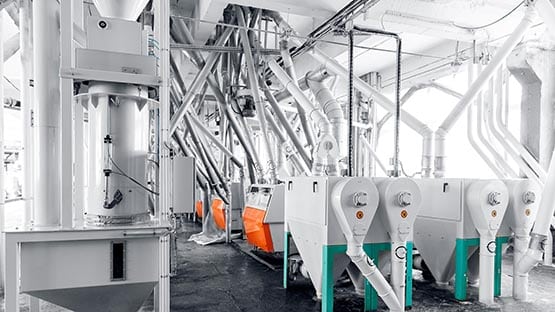
For powder-based products specifically, that means handing off the milling, blending, sizing, and packaging to a facility built for exactly that work. The customer focuses on selling and growing. The processor focuses on consistent batches and on-time shipments.
When outsourcing makes sense
Not every product belongs in someone else’s plant. But there are a few clear situations where outsourcing tends to pay off, and Virginia operators are running into all of them right now.
- Overflow capacity. Your lines are running flat out and a big customer just placed an order you can’t fit in the schedule. Rather than turn down revenue, you hand the overflow to a partner who can ship on your timeline.
- New product launches. You’ve got a formula that works in the lab but you’re not ready to commit to a dedicated line. A contract manufacturer lets you go to market without buying equipment you may not need long-term.
- Seasonal demand. Animal feed additives, ice melt blends, and certain agricultural inputs all swing hard with the seasons. Outsourcing flattens the cost curve so you’re not paying for idle equipment in the off months.
- Specialty processing. Some powders need milling to a tight micron range, or blending with materials that require dedicated equipment. It rarely makes sense to buy that gear for a single SKU.
- Geographic reach. A partner located near your customer base can cut freight costs and shorten delivery windows, which matters more than ever with diesel prices where they are.
What to look for in a partner
Picking the right contract manufacturer is mostly about fit. The cheapest quote almost never wins once you factor in quality issues, missed deadlines, or a partner who can’t scale with you. Walk the floor before you sign anything.
Ask about batch documentation, traceability, and how they handle changeovers between products. If you’re in food or feed, ask about their food safety program and whether they follow FDA guidance on good manufacturing practice. A reputable partner will walk you through their procedures without flinching.
Regional firms like M&M Milling offer powder contract manufacturing services that cover milling, drying, blending, sizing, and packaging under one roof, which is the kind of single-source setup that tends to reduce headaches as volumes grow. Whether you go with a local partner or one further afield, the principle is the same: you want a shop that treats your formula like their own.
The bigger picture for Virginia
Virginia’s manufacturing base has always been a mix of legacy operations and newer specialty producers. The state’s economic development arm continues to push manufacturing investment, and the Virginia Chamber has been vocal about workforce and infrastructure issues that affect every plant operator from Bristol to the Eastern Shore.
Contract manufacturing fits neatly into that picture. It lets smaller Virginia brands compete on shelf space with national players, and it keeps production work inside the Commonwealth instead of sending it overseas. That’s a good story for local economies, and a practical one for owners who’d rather invest in product development than in another building.
The next few years will likely reward companies that stay flexible. Outsourcing the right pieces of production is one of the cleanest ways to do that without losing what makes a small manufacturer worth buying from in the first place.
This content is provided for informational purposes only and is not a substitute for professional advice. AFP editorial staff were not involved in the creation of this content.


 Share
Share