A home’s first line of defense
When homeowners think about improvements, attention often goes straight to the interior. Kitchens, bathrooms, flooring, and furniture are easy to notice because they are part of everyday life.
But many of the improvements that protect a home the most are found outside.
Siding, roofing, windows, drainage, and exterior finishes all help protect a property from sun, moisture, wind, and changing temperatures. When these features are properly maintained, they can reduce future problems while keeping the home looking cared for.
The exterior is not simply about curb appeal. It is the first layer of protection between the home and the environment.
Siding does more than change the look
Siding is one of the largest visible surfaces on most homes, so its appearance naturally receives plenty of attention. Its practical role, however, is just as important.
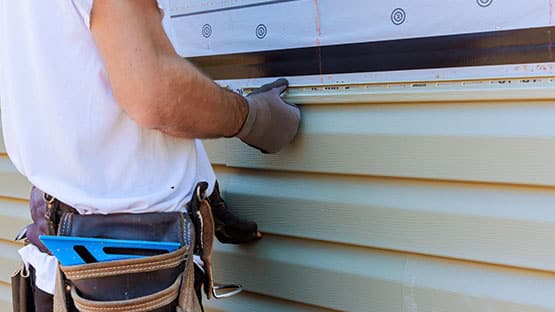
In areas with long sunny periods followed by wetter seasons, exterior materials can experience fading. Working with an experienced Siding Contractor in Petaluma can help homeowners choose materials suited to local conditions while addressing both protection and appearance. The right siding can improve the exterior without treating curb appeal as the only goal.
Small warning signs shouldn’t be ignored
Exterior problems rarely become serious overnight.
More often, they begin with small signs that are easy to overlook: peeling paint, small cracks, loose materials, gaps around windows, or areas where moisture appears after rain.
Catching these problems early can make maintenance easier and help prevent damage from spreading.
Homeowners should periodically look for:
- Cracks, gaps, or loose exterior materials
- Water stains or signs of moisture
- Peeling or fading finishes
- Damaged areas around windows and doors
- Gutters or drainage systems that are not directing water properly
A simple exterior inspection from time to time can reveal issues before they become much more expensive projects.
Windows play a bigger role than they seem
Windows influence both the appearance and performance of a home.
Older or poorly sealed windows may allow drafts, moisture, or unwanted heat transfer. Over time, this can affect indoor comfort and potentially increase the amount of work heating and cooling systems need to do.
From the outside, windows also contribute heavily to the overall character of the property.
This is why window improvements are often worth considering alongside other exterior work. When siding, trim, and windows visually and functionally complement one another, the entire exterior tends to feel more complete.
Water management matters
Water is one of the biggest long-term concerns for any home exterior.
Roofing, gutters, downspouts, siding, and drainage all work together to direct moisture away from vulnerable areas. When one part of that system fails, water can reach places it was never meant to go.
Keeping gutters clear and checking how water moves around the property after heavy rain are simple habits that can reveal potential problems.
Homeowners should also pay attention to areas where water repeatedly collects near walls or foundations. What looks like a minor drainage problem today can become much more difficult to address if ignored for years.
Curb appeal and protection can work together
Practical exterior improvements do not need to make a home look purely functional.
In many cases, the same project can improve protection while creating a noticeable visual update.
New siding can introduce a cleaner color palette. Updated windows can give the exterior stronger proportions. Better lighting can improve visibility while highlighting architectural details.
The best results often come from thinking about the exterior as one complete system rather than a collection of unrelated projects.
Materials, colors, landscaping, and architectural features should work together while still serving their practical purpose.
Choose improvements for the long term
Exterior projects can represent a significant investment, which makes durability important.
Trends may provide inspiration, but homeowners should also consider how materials will perform over time, how much maintenance they require, and whether they are appropriate for the local environment.
A material that looks impressive on installation day but requires constant maintenance may not be the best long-term choice.
Thinking beyond appearance can help homeowners prioritize improvements that continue providing value for years rather than simply creating a short-term transformation.
A strong exterior protects what is inside
A home’s exterior works every day, whether homeowners think about it or not.
It faces sunlight, rain, wind, temperature changes, and years of normal wear while protecting everything inside. Giving it regular attention can help extend the life of important materials and reduce the risk of larger problems developing unnoticed.
The strongest exterior improvements combine appearance, durability, and practical protection.
Curb appeal may be the first thing people notice, but long-term performance is what makes those improvements truly worthwhile.
This content is provided for informational purposes only and is not a substitute for professional advice. AFP editorial staff were not involved in the creation of this content.

 Share
Share