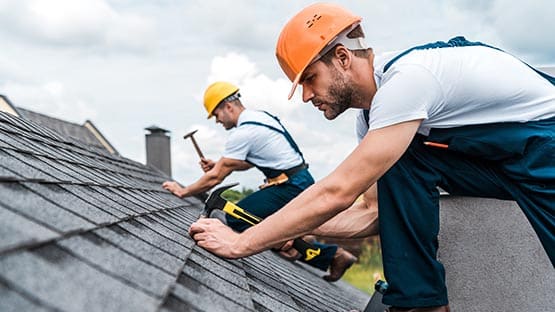
Homeowners asking “how much does a roof replacement cost” are usually trying to understand the real budget before committing to a major home project. A roof replacement can be one of the larger expenses a property owner faces, but the final cost depends on much more than the visible shingles or roofing material.
Roof size, pitch, labor, material type, tear-off, decking repairs, flashing, ventilation, permits, inspections, and local pricing all affect the total. Two homes with similar square footage can receive very different roof replacement estimates because the roof shape, slope, access, and existing damage may be completely different.
The most important thing to understand is that a roof replacement is not just a surface upgrade. A good roof is a full system designed to protect the home, ADU, or detached structure underneath it.
Average roof replacement cost
Online averages can help homeowners get a general sense of roof replacement costs, but they should not be treated as exact pricing. A real estimate needs to be based on the specific roof.
Roofers often price by roofing square, which equals 100 square feet of roof area. This is different from the square footage of the home. A 2,000-square-foot home may have more or less than 2,000 square feet of roof depending on roof pitch, overhangs, layout, and design.
A simple, low-pitch roof with easy access is usually less expensive to replace than a steep, multi-level roof with chimneys, skylights, dormers, valleys, and difficult staging. This is why the total project scope matters more than a generic national average.
Main factors that affect roof replacement cost
Several key factors determine how much a roof replacement will cost.
Roof size and layout
Larger roofs require more materials and labor. But size is only part of the equation. Complex rooflines usually cost more because they take longer to install and require more detailed waterproofing.
Valleys, dormers, skylights, chimneys, vents, and multiple roof planes all add complexity. Every transition needs proper flashing and careful installation to prevent leaks.
Roof pitch and accessibility
Steep roofs are harder and more dangerous to work on. They often require additional safety equipment, slower labor, and more careful material handling.
Accessibility also affects pricing. Tall homes, tight lots, limited driveway space, landscaping, fences, and difficult staging areas can increase labor time and project complexity.
Roofing material
Material choice is one of the biggest cost drivers. Asphalt shingles are usually one of the more affordable residential roofing options. Metal, tile, slate, and specialty roofing systems typically cost more upfront.
The right material depends on budget, climate, home style, lifespan expectations, maintenance needs, and structural requirements.
Tear-off and disposal
Removing the old roof adds labor and disposal costs. If there are multiple layers of roofing, heavy materials, or difficult removal conditions, tear-off can increase the final price.
A good estimate should clarify whether tear-off, hauling, cleanup, and disposal are included.
Decking and structural repairs
Damaged decking may not be visible until the old roof is removed. If the roof has had leaks, soft spots, or long-term moisture issues, some wood may need to be replaced before the new roofing system goes on.
Homeowners should ask how hidden damage will be priced before the project starts.
What is included in a roof replacement?
A proper roof replacement includes more than shingles, tiles, panels, or membrane. The roof system includes multiple layers and details that work together.
The roof deck must be inspected to make sure it is solid enough to support the new roof. Damaged or rotten decking should be replaced.
Underlayment helps protect the roof deck from moisture. Depending on the roof design and local requirements, some areas may also need additional waterproofing near valleys, eaves, or vulnerable transitions.
Flashing is another critical component. It protects areas around chimneys, skylights, vents, walls, and roof valleys. Poor flashing can cause leaks even when the roofing material itself is new.
Ventilation should also be reviewed. Proper attic ventilation helps control heat and moisture. Poor ventilation can shorten roof lifespan and contribute to condensation or comfort issues.
Edge details matter too. Drip edge, gutters, fascia, and trim coordination may affect the finished roof system. Homeowners should confirm which items are included in each quote.
Roof repair vs. roof replacement
Not every roof problem requires a full replacement. In some cases, a repair may be enough.
Roof repair may make sense when the roof is still relatively young and the issue is isolated. A small leak, a few missing shingles, minor flashing damage, or a limited storm-damaged area may not require replacing the entire roof.
Replacement usually makes more sense when the roof is near the end of its lifespan, has recurring leaks, widespread shingle damage, soft decking, sagging areas, or multiple failed repair attempts.
Homeowners who are unsure whether they need a repair or full replacement can use Symplify Roofing as a helpful resource for roof inspections, repair guidance, and replacement planning before committing to a major roofing project.
The goal is not to choose the biggest project automatically. The goal is to choose the solution that actually fits the roof’s condition.
Roof replacement cost by material type
Different roofing materials come with different cost levels, installation requirements, and long-term value.
Asphalt shingles
Asphalt shingles are common, cost-effective, and widely available. They are a practical choice for many residential homes.
Cost depends on the shingle grade, roof complexity, labor, underlayment, accessories, and warranty level.
Metal roofing
Metal roofing often costs more upfront than asphalt shingles, but it is commonly chosen for durability, modern appearance, and long-term performance.
It requires proper installation and compatible components. Metal roofing can work well for certain homes, ADUs, and detached structures when the design supports it.
Tile roofing
Tile roofing is usually more expensive and heavier than many other options. Some homes may need structural considerations before tile is installed.
Tile is often chosen for specific architectural styles and climates, but homeowners should account for installation, repair, and structural requirements.
Flat or low-slope roofing
Flat and low-slope roofs use different systems than steep-slope roofs. Drainage and waterproofing are especially important.
Cost depends on membrane type, insulation, access, roof condition, and details around drains, edges, and penetrations.
Hidden costs that can change the final price
Some roof replacement costs are not obvious until the project is underway.
Rotten wood or damaged decking is one of the most common. Water damage may only become visible after tear-off, and replacement wood can increase the total.
Permit fees and inspections may also apply depending on the city, county, and project scope. Requirements vary by location.
Flashing, skylights, chimneys, and wall transitions can add cost if they need repair or replacement. Reusing bad flashing can create future leak problems.
Ventilation corrections may also be needed. If the attic is not ventilating properly, fixing the issue during roof replacement can help protect the new roof system.
Warranty or product upgrades can also affect the final price. Higher-grade materials or extended warranties may cost more upfront, but they may provide better long-term protection.
How roof replacement fits into ADU and detached-unit construction
Roofing is also an important part of ADU, backyard cottage, and detached-unit construction. In those projects, the roof is not a standalone expense. It is one piece of the full building system.
ADU projects often include design, permits, foundation, framing, utilities, inspections, insulation, ventilation, exterior finishes, and roofing. The roof design affects drainage, energy performance, durability, appearance, and long-term maintenance.
Homeowners planning an ADU, backyard unit, or detached living space can use Golden State ADUs as a resource for understanding how roofing fits into the larger design-build, permitting, and construction process.
For new construction, roof design can also affect cost. Simple rooflines are usually easier and less expensive to build. Complex valleys, dormers, skylights, and multiple transitions can increase labor, flashing needs, and future leak risk.
How to compare roof replacement quotes
When comparing roof replacement quotes, do not look only at the final price. Look at what is included.
Start with the scope of work. Does the quote include tear-off, disposal, cleanup, underlayment, flashing, drip edge, ventilation, permits, and inspections? Does it explain how damaged decking will be handled?
Next, compare material quality. Review the roofing product brand and grade, underlayment type, accessories, fasteners, flashing details, and ventilation products.
Warranty coverage is also important. Ask about both manufacturer warranty and workmanship warranty. Understand what is covered, what is excluded, and how long the coverage lasts.
Be careful with very low bids. A low price may leave out important materials, labor, ventilation, flashing, or cleanup. The cheapest quote is not always the best value if the roof system is incomplete.
How to save money without cutting corners
Saving money on a roof replacement should not mean weakening the roof system.
One way to control cost is to address roof problems early. Waiting too long after leaks begin can lead to damaged decking, insulation, drywall, framing, and interior finishes.
Choosing the right material also matters. The most expensive material is not always necessary, but the cheapest option may not provide the best long-term value.
For ADUs, additions, and detached structures, simple rooflines can help reduce construction costs. Fewer valleys, dormers, and complicated transitions usually mean less labor and fewer leak-prone details.
Maintenance after replacement also helps protect the investment. Clean gutters, remove debris, trim overhanging branches, inspect flashing, and handle small issues before they become larger repairs.
Common roof replacement mistakes to avoid
One common mistake is choosing only by price. The lowest quote may not include the same materials, warranty, or scope of work.
Another mistake is ignoring ventilation. Poor ventilation can shorten the life of the new roof and create heat or moisture problems.
Reusing bad flashing is also risky. Old or damaged flashing can cause leaks even after the main roof surface has been replaced.
Homeowners should also plan for hidden damage. Decking repairs can change the final price, so it is important to understand how those costs will be handled before work begins.
Finally, waiting too long after leaks start can make the project more expensive. Small leaks can become major structural and interior repairs when ignored.
Final thoughts: Roof replacement cost depends on the whole system
So, how much does a roof replacement cost? The answer depends on roof size, material, labor, tear-off, decking repairs, permits, flashing, ventilation, access, and overall project complexity.
A roof replacement should be priced as a complete system, not just a visible layer of roofing material. The parts underneath and around the surface are what protect the home, ADU, or detached structure below.
Before choosing a contractor or quote, get the roof evaluated, compare the full scope of work, plan for hidden costs, and make sure the materials and installation match the needs of the property. A quality roof is not just an exterior improvement. It is one of the most important systems protecting the entire structure.
This content is provided for informational purposes only and is not a substitute for professional advice. AFP editorial staff were not involved in the creation of this content.

 Share
Share