What impaired mobility means in everyday terms
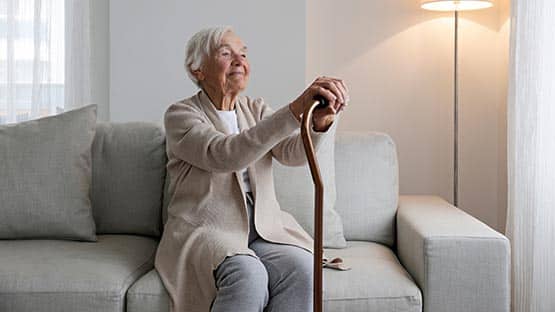
According to the Centers for Disease Control and Prevention, about one in eight American adults has a mobility disability, which makes it the most common type of disability in the country. The causes range from injuries and chronic conditions to neurological disorders and the gradual changes that come with age. Anyone living with impaired mobility faces the same basic question, which is how to keep doing ordinary things without wearing out or relying on others for every task.
The tasks in question are ordinary indeed. Getting out of bed, bathing, cooking a meal and moving from one room to another can each take significant effort. Older adults with limited mobility are more likely to fall, to experience pain and to eat poorly when cooking becomes too tiring. The emotional cost is just as real, since frustration and a sense of dependency can wear down confidence over time.
Some mobility impairments are temporary, such as recovery after surgery or a broken leg. Most are long term. That distinction matters when planning, because a short-term loan of equipment calls for a different approach than a permanent change to the home. Either way, the starting point is the same. List the activities that cause the most strain, rank them by how often they happen, and look for solutions that cover the biggest items first. A therapist or physician can help with that assessment and point toward programs that may cover costs.
Tools that help, from grab bars to seated mobility
Assistive devices come in many forms. Grab bars in the bathroom and beside the bed give support at moments of transfer. Walkers and canes help with balance during short walks. Adjustable beds and raised toilet seats reduce the effort of sitting and standing. Mobility scooters and wheelchairs cover longer distances, mostly outdoors or in larger buildings.
A less discussed category is the indoor mobility chair, which sits between a regular kitchen chair and a wheelchair. The user stays seated and moves around the home by pushing with the feet, with a brake to hold the chair in place during tasks. Some models add a powered seat lift for sit-to-stand help and for reaching counters and shelves.
VELA builds this type of chair, and every model is on a contract with the U.S. Department of Veterans Affairs, which helps eligible veterans access the benefit through VA programs. The company makes its chairs in Denmark and keeps stock in Tampa, so deliveries across the country take about ten days.
Not every product suits every person. Someone who cannot use their legs to push a chair needs a different solution, and so does a person who must travel outdoors every day. Before buying anything, ask a clinician to confirm that a given device fits the person’s strength and balance, and try it at home if possible.
Planning the home around the person
Equipment helps most when the home is arranged for it. Clear the main paths, remove loose rugs and make sure doorways are wide enough for any wheeled device. Place frequently used items at waist height, so no one needs to bend or stretch. Good lighting reduces fall risk, particularly at night, and motion-activated lights along the route to the bathroom are inexpensive and effective.
Think about energy as well as safety. A person with limited mobility often has a fixed daily supply of strength, and each trip across the house draws it down. Group tasks by location and keep a seat near the places where standing is hardest.
Finally, do not neglect the social side. Isolation is a common companion of mobility problems, and it is made worse when moving around the house feels like a project. Seated routines make it easier to host a friend for coffee, join a video call or cook a dish for the neighbors. Regular check-ins with family, a home health aide or a local support group keep the plan current. Needs change, and the best arrangements are the ones reviewed every few months and adjusted before a small problem grows into a serious one. Keep a simple list of what works and what does not, and bring it to medical appointments.
This content is provided for informational purposes only and is not a substitute for professional advice. AFP editorial staff were not involved in the creation of this content.
Support AFP



 Share