Solar energy generation is now one of the most popular ways to be able to tap into renewable power especially for households and small enterprises. Now, with the advent of several technologies, today we aim to discuss and dig a little deeper into one kind of solar power generation: solar farming.
Conventional Solar Power Generation vs Solar Farming
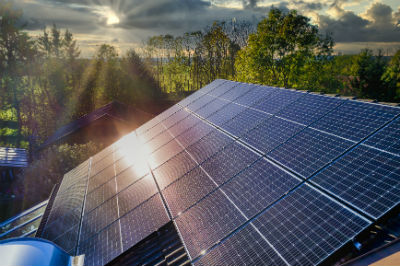
There are three basic kinds of solar power generation. The first one is residential solar or rooftop solar. As the name suggests, households and even businesses have to install actual crystal PV panels or solar panels on their rooftop or within their lot to harness the power of the sun.
These panels are crucial to transforming solar energy into actual DC electricity with the help of an inverter. The panels collect the photons which in turn excites electrons that flow in a current to make electricity that powers homes and other establishments. While this is not the easiest way to generate solar power, it is by far the most popular one
The second way to generate solar power is by means of solar power generators. They basically work the same with residential solar panels. The only difference is that this method is pretty portable and what you’d probably have if you’re living in an RV or going camping or sailing around the world and need to power up your devices. This is a nice option but it’s usually not enough for a house, let alone a community.
Speaking of communities, the last way to generate solar power is by means of subscribing to community solar or solar farms. Solar farms are large-scale solar power generation systems that use a big amount of land to raise several panels and basically power an entire area.
These are typically initiated by local governments and private companies that aim to provide electricity for government buildings and even multiple homes. Through solar farms, specific communities get supplemental power to light up their houses and important establishments like hospitals and churches with a lesser cost.
Benefits of Subscribing to Solar Farms
Now that you have been introduced to solar farms, the next question that needs resolving is this: Is community solar a good idea, especially in reference to the biggest factors in climate change?
Let’s take a look at the benefits:
Renter availability
It’s easy to have solar panels installed when you own a place big enough to accommodate them, but what if you don’t? Well, what if you don’t even own your building of residence right now? You can probably make do with solar sheets on the window or solar-energy batteries, but these options will hardly cover half of the energy you normally consume.
If you really want sufficient solar coverage in a rented home, a community solar subscription might be the solution for you.
Cheaper capital requirement
Tapping solar energy is already one of the easiest ways to reduce your household energy bills, and shared solar makes things even more affordable. Your community solar subscription would cost money, for sure, but it won’t hold a candle to how much you’d have to shell out if you choose to buy your own panels. Keep in mind you’d also have to pay for labor to have those things installed.
Zero upkeep, maintenance labor necessary
Another load off your mind when it comes to community solar is the maintenance and upkeep of solar panels. These things will be the primary responsibility of the solar farm owner and developer. You might have to pay a minimal maintenance charge on top of your power consumption, but it’s usually too small a price to pay for never having to think about upkeep ever again.
Flexibility
To sum it up, the best benefit of choosing community solar over the two other energy generating options discussed earlier is greater flexibility. Even if you end up moving places, all you have to do is cancel the subscription to your old solar farm and transfer to a community solar program near your new place of residence, instead of going through the entire taxing process of uninstalling your solar panels, bringing them with you, and putting them up again in the new place.
Wrapping Up
It’s important to keep in mind that any solar energy option available to you right now is still better than not trying solar power at all. So just explore your options and find a solution that works best for you to ensure that you can sustain it.




 Share
Share
AFP