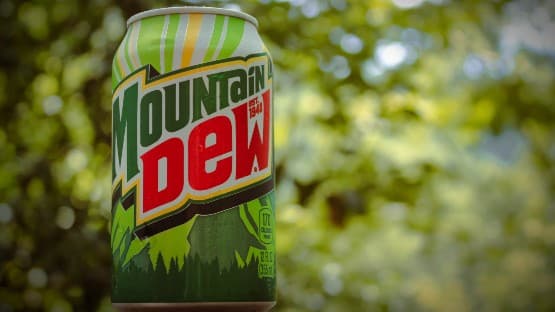
My mother, rest her soul, inserted a mental image of mountain mommas in West Virginia putting Mountain Dew in their babies’ bottles years ago, and it’s coming back to mind as I write this story about a program being launched by a group of researchers at UVA.
A team from the UVA School of Medicine and UVA School of Education and Human Development is testing a program designed to help rural families across Appalachia and the South reduce their consumption of sugary drinks.
They’re calling it weSIPsmarter, which is being launched at eight Head Start programs in Virginia, Alabama, Georgia, Kentucky and Ohio.
My mother, from the grave, is screaming – find one in West Virginia!
Nearly half of American children ages 2-5 consume sugary drinks every day, according to researcher Jamie Zoellner, a registered dietician with the UVA Department of Public Health Sciences.
Sugary drink consumption increases the risk for a range of health conditions, including cancer, heart disease and diabetes.
And then there’s also something called Mountain Dew Mouth, which I stumbled upon when I Googled “mountain dew in baby bottles,” to try to track down the source of my mother’s tale.
According to Healthline, this Mountain Dew Mouth thing is common in Appalachia, where 98 percent of people experience tooth decay before turning 44 years old.
“Research shows that helping parents build knowledge, confidence and healthy attitudes about sugary drinks can improve what young children drink. Factors such as parents’ understanding of healthy beverages, their own drinking habits and how they offer drinks to their children can all influence a child’s intake of sugary drinks,” said Zoellner, the study’s principal investigator.
“This is especially important because adults ages 18 to 34, the age group that includes many preschool parents, consume the highest amounts of sugary drinks themselves.”
The UVA research team has enrolled 94 families at four Head Start locations and expects to enroll 372 families across 12 locations, Zoellner said.
Researchers are looking for four additional rural Head Start programs in Appalachia or the South to join the study, she said.
For more information on participating in the study, program leaders can contact Donna Brock at 434.962.5870 or [email protected].


 Share
Share

Chris Graham