By Karen Davis
For the Bay Journal News Service
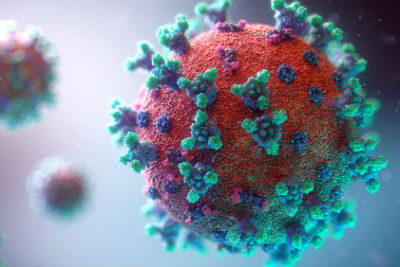
The coronavirus pandemic has focused our attention on the link between cleanliness and the avoidance of disease. People are sanitizing their hands, social distancing and covering their faces to prevent the virus from spreading.
Still, most people consume products from chickens and other animals that have spent their lives in densely polluted, overcrowded and disease-ridden facilities.
Infectious microbes, including bird flu viruses, coronaviruses and foodborne bacteria, are drawn to population density, dirt and weakened immune systems — the perfect conditions in which to mutate and spread in animals and humans alike.
One of the cruelest things we do to animals trapped in industrial farming and live animal markets is to prevent them from practicing hygiene as they would in nature.
When chickens come to our sanctuary from a confinement facility, their first act after being placed on the ground is to take a cleansing dust bath. They instinctively want to clean their skin and feathers with particles of earth. A dust bath, for them, is comparable to a water bath for us. They love cleaning themselves, reveling in the communal dustbowls they make and inhaling fresh air for the first time in their lives.
The right of an animal to practice bodily hygiene is what I call an “earthright.” Forcing animals to live in filth and breathe air rife with disease organisms is an alien experience they would not choose on their own.
When we think about the importance of hygiene and staying healthy, we need to remember that the same link between health and hygiene applies to other species. Animals in nature would never survive if they carried the load of diseases, pathogens and immunological weaknesses that characterize modern farmed animals, many of whose pathologies transmit to us, making us sick, as discussed in a recent article in the journal Neuroepidemiology, “What the COVID-19 Crisis is Telling Humanity” (karger.com/Article/FullText/
We owe it to these animals, the environment and ourselves to think carefully about our food choices. A plant-based diet free of animal products is increasingly desirable and obtainable in today’s society. While providing an opportunity for a less violent and more peaceful world, this diet is also an intelligent food safety choice. According to the U.S. Department of Agriculture’s Economic Research Service, the major foodborne microbes that make us sick, and can even kill us, occur mainly in “high-protein, nonacid foods, such as meat, poultry, seafood, dairy products and eggs. Farm livestock and poultry infected with microbial pathogens may expose other animals in a herd or flock by excreting pathogens, pathogen cysts, or larvae.”
A plant-based diet will not sacrifice jobs or hurt the economy. As long as people exist, the same amount of food will be produced and consumed. Just because people stop eating animal products doesn’t mean they stop eating. Eating animal-free for more than 30 years, I’m one of the supermarket’s most frequent shoppers. I find plenty to eat there, more all the time. In this respect, it doesn’t hurt to be contagious.
Karen Davis, Ph.D., is the president and founder of United Poultry Concerns, which promotes the compassionate and respectful treatment of domestic fowl, including a sanctuary for chickens on Virginia’s lower Eastern Shore. This article first appeared in the Bay Journal. Her views to not necessarily reflect those of the Bay Journal. Distributed by the Bay Journal News Service.


 Share
Share