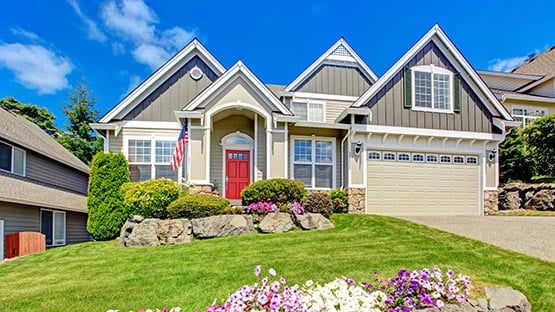
Landscape architecture is the planning and design of outdoor spaces so they are functional, attractive, sustainable, and suited to the property. It is not just planting flowers, adding grass, or making a yard look nicer. At its core, landscape architecture looks at how people use outdoor space and how the land, structures, plants, water, pathways, boundaries, and exterior materials work together.
For homeowners, this can include patios, walkways, planting areas, drainage, retaining walls, fences, gates, outdoor lighting, lawn areas, shade, and curb appeal. For commercial properties, it may include entrances, traffic flow, accessibility, safety, public gathering areas, and long-term maintenance.
A good landscape plan does more than decorate the outside of a property. It helps the space function better, feel more intentional, and connect naturally with the home or building.
What does landscape architecture include?
Landscape architecture combines design, site planning, environmental awareness, construction planning, and long-term usability. It looks at the entire outdoor space instead of treating each feature as a separate project.
A landscape architecture plan may include the layout of walkways, patios, driveways, garden beds, trees, fences, retaining walls, lighting, seating areas, and outdoor structures. It may also consider grading, drainage, soil conditions, sun exposure, privacy, and how people move through the property.
Site planning and layout
Site planning is one of the most important parts of landscape architecture. It determines where outdoor features should go and how they should connect.
For example, a patio should feel connected to the home. Walkways should make sense based on how people naturally enter, exit, and move through the property. Garden areas should be placed where plants can thrive. Seating areas should consider sun, shade, views, privacy, and wind.
Without a clear layout, a yard can feel random even if each individual feature looks nice.
Grading, drainage, and land function
Outdoor spaces must also function properly. This means accounting for slope, drainage, erosion, soil conditions, and water movement.
Poor drainage can damage landscaping, patios, fences, foundations, lawns, and outdoor finishes. Water that collects near the home, under a fence, or around hardscaping can create long-term problems. Landscape architecture helps identify these issues before major improvements are installed.
A beautiful yard will not perform well if water is moving in the wrong direction or the land is not prepared correctly.
Planting, shade, and environmental comfort
Plants are an important part of landscape architecture, but they are not the whole discipline. Trees, shrubs, ground cover, lawn, and seasonal plants help create shade, privacy, color, texture, and comfort.
Good planting design considers climate, maintenance, sun exposure, water needs, and how plants will grow over time. A tree that looks small today may eventually affect fences, walkways, roofs, or views. Landscape architecture accounts for both the current appearance and the future growth of the outdoor space.
Landscape architecture vs. landscaping: What is the difference?
Landscape architecture and landscaping are related, but they are not the same thing.
Landscape architecture is typically focused on planning, layout, site function, grading, outdoor systems, and long-term design. Landscaping often focuses more on installation, planting, lawn care, mulch, trimming, irrigation, and maintenance.
Put simply, landscape architecture is often the plan, while landscaping is often the installation and upkeep.
Landscape Architecture Is the Plan
Landscape architecture looks at the big picture. It answers questions like:
Where should the patio go? How should water move through the yard? Where does privacy matter most? How should the fence connect to the outdoor layout? Where should trees be planted for shade? What materials will work with the home’s exterior?
This planning stage is especially important before major outdoor construction, hardscaping, fencing, or whole-yard redesigns.
Landscaping is often the installation or maintenance
Landscaping usually focuses on bringing parts of the outdoor plan to life. This may include planting trees, installing sod, spreading mulch, trimming shrubs, maintaining lawns, or adding seasonal color.
Some landscaping companies also provide design services, but landscape architecture generally involves deeper planning around the structure, use, and function of the property.
Why landscape architecture matters for homeowners
Landscape architecture matters because outdoor space affects daily life. A well-planned yard can create privacy, improve curb appeal, support entertaining, reduce maintenance problems, and make the property more enjoyable.
It can also help prevent costly mistakes. Without a plan, homeowners may install a patio in the wrong location, choose plants that do not fit the climate, place a fence awkwardly, or ignore drainage until it causes damage.
It makes outdoor space more usable
A yard should support real life. That may mean creating a safe place for children or pets, adding a patio for dining, designing a pathway that connects the driveway to the backyard, or creating a quiet seating area away from street views.
Good design turns outdoor space into usable space. It helps the yard feel intentional instead of leftover.
It helps prevent costly mistakes
Outdoor improvements can be expensive to redo. A poorly placed retaining wall, fence, patio, or drainage system can create problems that affect the entire property.
Landscape architecture helps homeowners think through the sequence of work. Drainage should usually be addressed before planting. Fence placement should be planned before major landscaping. Exterior colors and finishes should complement the yard instead of clashing with it.
It improves curb appeal and first impressions
The outside of a home creates the first impression. Landscaping, fencing, paint colors, entryways, lighting, trim, and walkways all contribute to how the property feels from the street.
When these elements work together, the home feels more polished and complete.
Key elements of a strong landscape architecture plan
A strong landscape architecture plan connects the practical and visual parts of an outdoor space.
Hardscaping
Hardscaping includes patios, walkways, steps, pavers, stone, concrete, decks, retaining walls, and outdoor structures. These features often define how the outdoor space is used.
Hardscape placement should be planned carefully because these elements are more permanent than plants. Once a patio or walkway is installed, changing it can be costly.
Fencing, gates, and property boundaries
Fences are more than barriers. They affect privacy, safety, pet containment, security, curb appeal, and how the yard feels. The height, material, placement, and style of a fence can completely change the outdoor design.
For homeowners planning boundaries, privacy, or fence replacement as part of an outdoor design, working with a local fence resource like Fantastic Fence can help connect the landscape plan with practical fence installation and material choices.
Gates should also be planned early. They affect access, movement, and convenience.
Outdoor living areas
Outdoor living areas may include patios, fire pits, outdoor kitchens, pergolas, dining areas, lounge spaces, and shade structures. These areas should connect naturally to the home and fit the way the property is used.
A seating area that looks good but receives too much sun, lacks privacy, or feels disconnected from the house may not get used often. Landscape architecture helps avoid that problem.
Planting and green space
Plants soften hard surfaces and bring life to the property. Trees can provide shade. Shrubs can create privacy. Ground cover can reduce maintenance. Native or climate-appropriate plants can help support long-term sustainability.
The best planting plans consider both appearance and maintenance.
Lighting and safety
Outdoor lighting supports safety, navigation, curb appeal, and evening use. Path lights, entry lighting, accent lighting, and security lighting can all be part of the design.
Lighting should be practical without overwhelming the property. The goal is to make the space safer and more usable while highlighting key outdoor features.
How exterior finishes fit into landscape architecture
Landscape architecture does not stop at the edge of the lawn. The home’s exterior, trim, siding, doors, fences, decks, and painted surfaces all affect the final look of the property.
Exterior colors should work with the landscape, hardscape, fencing, roofing, and architectural style of the home. A paint color that looks good on its own may feel disconnected if it clashes with stone, wood, plants, or surrounding materials.
When exterior painting is part of the overall curb appeal plan, a professional painting company like Cover Pro Painting can help homeowners choose durable finishes that complement the landscape design and protect exterior surfaces.
Exterior finishes also serve a practical purpose. Paint, stain, and sealants help protect wood, siding, trim, doors, and other exposed materials from weather.
When do you need landscape architecture?
Not every yard project requires formal landscape architecture. A small planting refresh or simple maintenance project may not need a detailed plan. But deeper planning becomes useful when the project affects the whole property.
If you are redesigning the entire yard, adding major outdoor features, dealing with drainage problems, or trying to make the home and yard feel cohesive, landscape architecture can help.
Whole-yard projects need coordination. Patios, fences, trees, lighting, drainage, and outdoor living areas should not be planned separately if they all affect the same space.
Landscape architecture is also valuable when a property has slopes, erosion, poor drainage, awkward access, privacy issues, or multiple outdoor zones that need to work together.
Landscape architecture for residential vs. commercial properties
The principles of landscape architecture apply to both residential and commercial properties, but the priorities may differ.
Residential landscape architecture often focuses on comfort, privacy, family use, pets, entertaining, curb appeal, and maintenance. The design should support how the homeowner actually lives.
Commercial landscape architecture may focus more on entrances, accessibility, traffic flow, public use, brand image, durability, safety, and maintenance efficiency. These spaces may need to handle more foot traffic and meet stricter requirements.
In both cases, the goal is to create outdoor space that functions well and feels intentional.
Common mistakes in outdoor design
One common mistake is choosing plants before planning the layout. Plants matter, but they should support the overall design. If layout, drainage, and circulation are ignored, the space may look good temporarily but function poorly.
Another mistake is ignoring drainage. Water problems can damage lawns, patios, fences, plantings, and even the home itself. Drainage should be considered early, not after the yard is finished.
Fencing is also often treated as an afterthought. Fence height, material, placement, and gate location should be part of the overall outdoor plan.
Finally, homeowners sometimes forget the home’s exterior. Paint colors, trim, doors, siding, and finishes should coordinate with the yard. The home and landscape should feel connected, not separate.
Final thoughts: Landscape architecture brings the whole outdoor space together
So, what is landscape architecture? It is the thoughtful planning and design of outdoor space so the property works better, looks better, and supports the way people use it.
It includes more than plants. It connects the home, yard, drainage, hardscaping, fencing, lighting, outdoor living areas, and exterior finishes into one cohesive plan.
When done well, landscape architecture helps a property feel intentional from the street to the backyard. It creates outdoor spaces that are not only attractive, but practical, durable, and built around real daily use.
This content is provided for informational purposes only and is not a substitute for professional advice. AFP editorial staff were not involved in the creation of this content.


 Share
Share