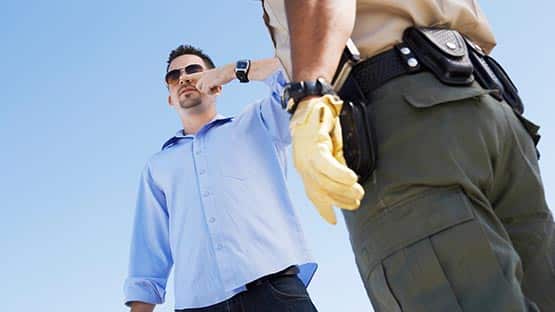
Getting pulled over and asked to do field sobriety tests can feel like stepping into a no-win situation. Nerves spike, lights are flashing, cars are passing by, and suddenly you are expected to balance, count, and follow instructions perfectly. Many people assume these tests are rock solid proof of impairment. That assumption causes panic and leads drivers to believe the case is already lost.
Here is the part that surprises a lot of people. Field sobriety tests are not scientifically proven; they are subjective, human run exercises that leave plenty of room for error. States including Florida allow these test results in court, but they also allow them to be challenged in many ways. This is where a skilled Miami criminal defense attorney can make a key difference in the outcome of your case.
Why field sobriety tests are not as reliable as they seem
Field sobriety tests look official, but they are far from perfect. They depend on conditions, instructions, and human interpretation. Officers are trained to administer standardized tests, yet real world situations rarely match training environments. Roads slope, shoes slip, weather interferes, stress levels skyrocket – all of that matters.
Another thing many drivers do not realize is that poor performance does not equal intoxication. Someone can struggle for reasons that have nothing to do with alcohol or drugs. Courts recognize this, which is why these tests are not automatic proof of impairment. Knowledge of their weaknesses opens the door to challenging them, according to experts.
Environmental and physical factors that skew test results
Road and weather conditions
Field sobriety tests are supposed to be done on flat, dry, well-lit surfaces. That sounds great on paper. Reality looks very different. Uneven pavement, gravel shoulders, wet roads, poor lighting, and passing traffic all make balancing harder. Wind, rain, or heat can throw anyone off.
Video footage and photographs of the testing area can show the conditions were less than ideal. That kind of evidence helps explain why a person might stumble or lose balance.
Footwear, clothing, and physical limitations
Shoes matter more than people realize. Boots, heels, sandals, or worn soles affect balance. Tight clothing can restrict movement. Even something as simple as pockets full of items can change posture.
Medical conditions also play a big role. Knee issues, back pain, inner ear problems, or past injuries can impact coordination. These conditions exist long before any traffic stop. Medical records, doctor statements, and personal testimony can all help explain why test performance does not equal impairment.
How officer conduct and instructions affect the outcome
Inconsistent or confusing instructions
Field sobriety tests rely heavily on clear instructions. Small deviations can lead to big misunderstandings. Officers might speak quickly, demonstrate incorrectly, or give instructions while traffic noise drowns them out. A driver who misunderstands directions may appear noncompliant when they are simply confused.
Body camera footage becomes powerful evidence here. Reviewing what was said and how it was said can reveal gaps between proper procedure and what actually happened.
Officer bias and subjective scoring
These tests are not ‘pass or fail’ exams. Officers watch for clues and decide how many clues they believe they saw.
That process is subjective. Once an officer suspects impairment, confirmation bias can creep in. Normal movements get interpreted negatively. Nervous behavior becomes suspicious. Cross examination and video review help expose this subjectivity. Showing the jury what really happened allows them to form their own conclusions.
Evidence that tells the real story
Audio and video evidence
One of the strongest tools for challenging field sobriety tests is video. Cameras do not get tired or distracted. Dash cameras and body cameras capture tone, balance, timing, and surroundings. They also show how a driver speaks, follows directions, and interacts with the officer.
In many cases, video footage looks far better than the officer’s written report suggests. A slight sway on paper might look minor on screen. A missed heel to toe step might barely register visually. Audio matters too. Clear speech, appropriate responses, and calm conversation can contradict claims of impairment.
Witness and third party evidence
People tend to focus only on the officer and the driver, but other perspectives matter. Passengers, nearby business employees, or bystanders may have seen the stop. Their observations can support the idea that the driver appeared normal before or after testing.
Phone records, receipts, and timestamps also help establish timelines. Showing when and where alcohol was consumed can put test performance into context. All of this helps paint a fuller picture than a few roadside exercises ever could.
Common evidence used to challenge test results
Challenging field sobriety tests rarely relies on just one piece of evidence. It is usually a combination that builds doubt.
- Body camera footage showing stable balance and clear speech
- Dash camera video revealing poor testing conditions
- Medical records documenting balance or mobility issues
- Weather reports confirming rain, wind, or heat
- Photos of uneven or sloped road surfaces
- Officer training records showing improper administration
- Witness statements supporting normal behavior
Each piece adds weight to the argument that test results do not tell the full story.
Other evidence that carries weight
Timing and fatigue come into play
Late night stops matter. Fatigue affects coordination, reaction time, and focus. Someone pulled over after a long workday or late evening shift may look tired, not impaired. Time of night, length of the stop, and how long someone was awake all factor into performance.
Courts recognize fatigue as a legitimate explanation for test struggles. Sleep records, work schedules, and even phone usage logs can support this angle.
Medical and health related evidence
Certain health conditions mimic signs officers associate with impairment. These are not rare exceptions. They are common issues. Inner ear disorders affect balance. Anxiety causes shaking and rapid speech. Diabetes can create confusion or coordination problems. Vision issues impact eye tests.
Medical documentation and expert explanations help juries understand these conditions. When paired with video, this evidence becomes even stronger.
Field sobriety tests versus scientific testing
Field sobriety tests are observational. They are not a chemical analysis. That distinction matters. Courts treat them as indicators, not definitive proof. They are designed to help officers decide whether to investigate further, not to seal a conviction on their own.
Highlighting this difference helps frame the argument. A shaky balance does not measure blood alcohol levels. A missed step does not quantify impairment. That gap leaves room for reasonable doubt.
Support AFP



 Share
Share