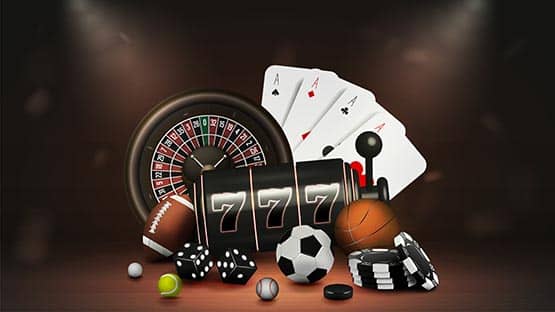
Sports themes work because fans understand the signals. A ball, a jersey, a trophy, a green field, a roar from the stands, even a countdown clock can tell a story before a rule is explained. For casual players, that instant recognition matters. It gives a slot game a familiar surface before the reels and features ask for attention.
A 2025 Frontiers in Psychology paper on sports fandom describes fan attachment as both personal and social, shaped by ties to teams and fellow supporters. That helps explain why match-day imagery travels so easily into digital entertainment. The same cues that make people gather for soccer, football, racing, or basketball also help sports themes catch the attention of fans when they appear on a game screen.
When sports energy moves onto the reels
Sports-themed slots usually start with concepts people are already familiar with: tournament pressure, fast breaks, final laps, locker-room colors, team pride, and the look of a scoreboard under lights. For readers who want to see this sports shorthand in a real slots setting, this specific online slots category page is a useful reference because it separates 3-reel games from 5-reel games and shows how themes can work in both formats. Its 3-reel section describes a more traditional style, often with 1 to 3 paylines and a visible paytable, and includes Global Cup Soccer as a sports example.
Its 5-reel section gives themes more room to stretch through storylines and varied features, including travel, mythology, western, fantasy, food, music, and cultural themes. That difference is helpful for casual fans. A soccer-style game may feel quick and direct in a simpler format, while a broader sports theme can carry more atmosphere in a 5-reel setup. The page also mentions that Practice Play is available, which allows new players to explore different themes, rhythms, and formats.
Ignition’s Instagram post inviting players to join its Discord channel adds the social side that sports fans understand quickly. The post’s “Find Your Community” line speaks to the same habit that surrounds big games: people follow updates, compare discoveries, and notice what others are talking about. For a sports-themed slot, that shared chatter can make a new title feel more inviting.
Why familiar themes reduce the first step
The first step into any game is not always mechanical. It is often emotional and visual. A person sees something they recognize, then decides whether to give it a little more attention. That is where sports themes have an advantage. They can tell a casual fan, almost instantly, what kind of energy the game is trying to create.
A racing theme suggests speed before the player touches a button. A soccer theme suggests cups, flags, and crowd tension. A football theme brings field markings, helmets, stadium lights, and Sunday noise. Those elements do not need to teach the rules of the sport. They only need to create a setting that feels clear enough to appeal to the players.
The format changes the mood
Reel count affects how a theme feels. A 3-reel slot tends to leave less room for extra characters or layered scenes, so the theme has to center around simple symbols and quick recognition. That can suit sports ideas built around clean images: a ball, a cup, a whistle, a field, a flag.
A 5-reel game has more space for motion, sound, and side details. That gives designers more room to build around a season, a match, a circuit, or a fan setting. The result can feel closer to a short entertainment scene than a bare symbol set.
Neither format is automatically better. The right fit depends on the player’s attention span, mood, and preference for simplicity or theme depth. A reader who wants a short digital pause may prefer a quicker format. Someone looking for more atmosphere may spend more time with a fuller theme.
Fan culture makes themes stick
Sports fandom rarely stays private for long. Fans wear colors, discuss lineups, save clips, join group chats, and talk to each other about where they were when a wild finish happened. That shared behavior is part of the appeal. The game itself may be simple, but the surrounding culture gives the symbols extra weight.
That pattern shows up outside games, too. When Scotland supporters filled Boston bars during the 2026 World Cup, the story was not only about a match. It was about a crowd bringing its own color, songs, jokes, habits, and memory into a city already wired for sports.
That is why sports-themed slots should not treat their theme as just another surface decoration. The theme is often the first bridge between the person and the game. It tells the player what kind of world they are entering. It also gives people an easy way to describe the game later: the soccer one, the racing one, or the one with the cup-final feel.
The strongest sports themes keep that recognition clean. They do not need to copy a full match or explain every rule. They need a few sharp cues, readable pacing, and enough character to make the screen feel alive. That is where the theme earns its place: good artwork and design carry meaning while helping people understand how to play, a point made in PLOS Computational Biology’s discussion of game artwork and graphic design.
This content is provided for informational purposes only and is not a substitute for professional advice. AFP editorial staff were not involved in the creation of this content.


 Share
Share