Sport gets stale when the same faces keep winning. We admire the dynasties while they last, then quietly start craving something new. What makes 2026 interesting is that two very different sports are getting that fresh start at the same time. Formula 1 is opening its doors to manufacturers it spent years pushing away, and men’s tennis is finally moving past the trio that owned it for two decades. Both shifts change what there is to watch, and how people follow along.
Formula 1 opens its doors again
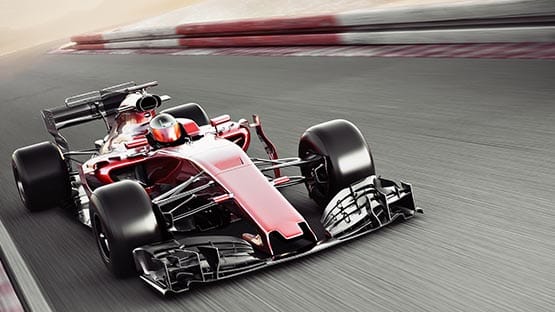
For most of the modern era, Formula 1 had a strange problem. The sport kept growing commercially while the number of manufacturers willing to build for it kept shrinking. The cost was brutal, the engineering was punishing, and the reputational risk of finishing last scared big brands off. That trend is reversing. A clear breakdown of why the 2026 grid marks a turning point lays out how Cadillac’s arrival, Audi’s full works project, and continued interest from Porsche add up to something bigger than a few press releases.
The reason is not sentiment, it is the rulebook. The 2026 power unit regulations drop the fiendishly complex MGU-H, move to a roughly even split between combustion and electric power, and require fully sustainable fuel. Translated: the cost of entry falls, the engineering still means something, and the story lines up with where the car industry is already heading. That combination is exactly what had been missing. For fans, it means new colors on the grid and genuine uncertainty about the pecking order for the first time in a while.
Tennis finds its next chapter
Men’s tennis faced a quieter version of the same question. What happens when the giants leave? For twenty years the answer was always Federer, Nadal, or Djokovic. Now the sport is writing a new script, and it turns out the talent was waiting. A look at the rivalries carrying men’s tennis into its next era captures how quickly the vacuum filled, led by the Alcaraz and Sinner matches that already feel like appointment viewing.
What I like about this stretch is the contrast in styles. Alcaraz plays with flair and a bit of chaos, Sinner with cold precision, and behind them a cluster of younger players keeps forcing its way into the conversation. Rivalries do something no single champion can. They give casual viewers a reason to pick a side, and they turn a random Tuesday match into a story with stakes. That emotional hook is what kept people watching through the Big Three years, and it is quietly doing the job again.
Renewal is what keeps fans engaged
Here is the thread that ties a Formula 1 grid to a tennis draw. Both sports thrive on the sense that anything could happen this season, and that feeling pulls people deeper into the details. They start reading the regulations, tracking form, and comparing head-to-head records. A slice of that audience takes the next step and follows the markets too, and newcomers often test the water through low-commitment intro deals like the current free bet no deposit offers before risking anything of their own.
None of that engagement survives without unpredictability. A championship with a settled winner in March loses its grip by summer. The value of a reset year is that it resets attention along with the standings. When a new constructor can crack the midfield, or a 22-year-old can beat the world number one on a big stage, every result carries a little more weight.
What to actually watch in 2026
In Formula 1, keep an eye on how fast the new teams close the gap. Regulation resets tend to reward organizations with strong internal processes rather than the biggest checkbook, so the early grid may look very different from the one we finish the season with. The learning curve is steep, and plenty of ambitious projects have stumbled on it before, but the door is genuinely open.
In tennis, the thing to track is whether the chasing pack can turn promise into titles. Alcaraz and Sinner will hog the headlines, and probably deserve to, yet the sport is healthiest when the names behind them refuse to wait their turn. Either way, 2026 is shaping up as one of those years we look back on as a hinge point, the moment the guard actually changed. For fans who had started to find things a little predictable, that is a welcome problem to have.
This content is provided for informational purposes only and is not a substitute for professional advice. AFP editorial staff were not involved in the creation of this content.

 Share
Share