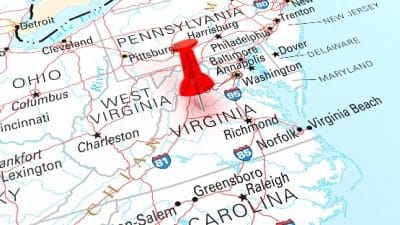
In 2026, the Augusta County Board of Supervisors is dealing with a familiar mix of decisions that directly affect daily life, such as tax distribution, investments, and service prioritization.
None of these topics exist alone, and most of the debate comes down to trade-offs rather than clear-cut answers.
The Board of Supervisors is the county’s main decision-making body, handling budgets, development, and public services. Each member represents a district, and major decisions typically go through public hearings, giving residents a chance to weigh in.
In 2025, some of the key issues were zoning gaps around solar projects and data centers, which raised concerns about energy use, water demand, and community impact, prompting work on stricter rules. Those same pressures carry into 2026, shaping decisions on growth, infrastructure, and education funding.
Challenges facing the Board of Supervisors
Here are some of the issues that the county faces in 2026.
Redistricting fight and proposed amendment
A major political issue in 2026 so far involved a proposed constitutional amendment in Virginia that could allow congressional maps to be redrawn outside the usual census cycle. Local concern grew because the proposal could split Augusta County into three separate congressional districts instead of keeping it unified.
The Augusta County Board of Supervisors unanimously passed a resolution opposing the measure, citing concerns about the ballot wording, timing of the vote, and the impact of dividing the county. For residents, the issue is about representation as splitting the county could mean different areas are represented by different members of Congress, which can weaken a single, coordinated voice on regional priorities.
Budget pressure and possible tax changes
Augusta County is working through its next budget cycle with a familiar problem: costs are rising faster than revenue. Expenses tied to public safety, employee salaries, fuel, and school funding have all increased, while the county still relies heavily on property taxes as its main income source.
For residents, this is the most direct issue. If the Board decides to raise the real estate tax rate or adjust other local taxes, homeowners will see it in their annual bills. Even without a rate hike, rising property assessments can push taxes higher.
On the other hand, if supervisors hold taxes steady, they may have to delay projects, limit hiring, or scale back services, so the trade-off is usually between cost and service quality.
Data centers
Data centers have become a growing topic in Augusta County, especially after officials flagged zoning gaps that could allow large facilities to be built with limited oversight. Since then, the county has been working on clearer rules about where these projects can go and what standards they must meet.
In March 2026, the Board allocated $5,000 to support a regional study on potential data center locations.
For residents, the debate comes down to competing benefits and concerns. Data centers can add jobs during construction and boost tax revenue, which can help fund schools or reduce pressure on tax rates.
The issue is similar to debates about allowing online gambling on platforms like casino Sportbet.one. Virginia legalized online sports betting and gambling in 2021, and now platforms generate millions in tax revenue each month. This shows how regulated industries can provide a steady income, a point in favor of large projects like data centers.
But data centers also bring heavy power use, possible strain on water systems, and concerns about noise or proximity to homes, which can decrease the quality of residents’ lives. So, the location must be chosen carefully.
Solar and energy projects
Utility-scale solar projects remain part of the conversation, even after earlier debates and policy updates. The county has already adjusted its approach by defining where large solar facilities can be built and adding requirements like setbacks, screening, and limits on how projects fit into agricultural areas. But proposals continue to come forward, especially as energy demand grows across Virginia.
For residents, solar projects can bring steady tax revenue and lease income for landowners, which can support the local economy. At the same time, they often raise concerns about land use, especially when farmland is converted, and about how projects fit into the surrounding landscape. Like data centers, they force the Board to weigh economic benefits against long-term changes to rural areas.
The year ahead
In short, 2026 for Augusta County is about balancing growth, services, and community character. Each decision on taxes, land use, data centers, or solar projects carries trade-offs that affect daily life, from property bills to neighborhood landscapes. While there are no easy answers, the Board of Supervisors’ role is to weigh these pressures carefully, ensuring that the county can meet current needs while planning responsibly for the future.
Support AFP



 Share
Share