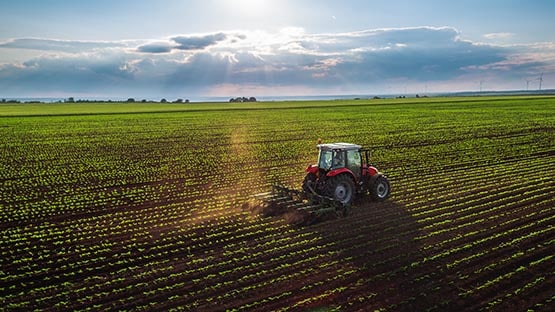
The sound of a tractor running in the school courtyard was once commonplace in rural areas. Classrooms were used for a long time as a means of teaching young people old farming wisdom. Today, all that is disappearing.
An unnoticed crisis has been taking place across public schools. Classrooms that were once filled with talks about livestock care, soil chemistry, and crop rotation are now sitting empty. The reason is a shortage of trained professionals who could teach the topic.
The growing issue leaves high schools unable to find educators to guide new generations of farmers. A lot of districts are struggling to keep these programs running. Due to this, students who are interested in farming now more often need external term paper help in order to complete their advanced agriculture science projects independently.
The teacher shortage
The figures behind this teacher shortage paint a rather worrying picture for the future of rural industries. National statistics show that hundreds of agricultural teacher jobs are not filled each year, which forces schools to suspend classes. The flow of fresh college graduates preparing to enter the field is almost non-existent.
Teachers who have been in the profession for a long time have been leaving their classrooms because of burnout, long hours, and low wages. Running a school agriculture program requires more effort than a regular teaching position. The instructors are required to perform double duty, working weekends and evenings, traveling to livestock shows as well as student conventions.
When an agriculture teacher leaves, finding a replacement quickly is nearly impossible. School boards are forced to make temporary changes or employ uncertified personnel. Without a motivating leader, the quality of a class begins to decline.
The loss of local farming roots
The impact of this staffing issue reaches beyond school walls. If an agricultural program is shut down, a community loses its primary source of sharing local farming practices. The younger generation has no hands-on learning that can turn an uninteresting hobby into a full-time job.
Modern farming isn’t just about driving tractors either. It requires a thorough knowledge of data, technology, and science. Without these courses, young people aren’t able to understand the ways that technology, and AI particularly, can help make their family businesses more profitable. This results in a gap between the old ways of life and modern-day survival.
The economic impact over the long term is significant for rural regions. Areas that lose agricultural programs will see fewer young people working in the local workforce. This means that family farms are left without anyone to take over, which leads to the land being sold to developers.
A risk to our food supply
A deficiency of these teachers could also threaten our food production system. The agricultural industry is dependent on a steady stream of young, skilled, tech-savvy workers to ensure that food reaches grocery stores. If the pipeline to education breaks, the entire sector faces a shortage of workers.
Ag groups across the country regularly warn that the shortage of teachers is the most significant obstacle facing the future of agriculture. If students aren’t properly taught, they won’t be aware of the exciting jobs in agribusiness. A lack of understanding can leave vital roles in the fields of livestock science and food management vacant.
The global market requires continuous adaptation to the changing economy and the weather. To overcome these challenges, we need people who are aware of the need for sustainable production of food. An absence of knowledge puts the stability of the food system at grave risk.
Saving ag education
In order to reverse this downward trend, immediate action is required from state lawmakers as well as local school boards. The community must recognize that preserving its farming heritage requires investing in the teachers who teach it. The idea of letting instructors struggle with massive workloads without any support is a recipe for failure.
State officials can reverse this trend by creating new incentives that can increase the appeal of teaching jobs:
- Financial incentives. Incentives to pay higher starting salaries and offering student loan forgiveness that is specifically meant for rural teachers.
- Administrative support. Hiring of assistants to manage paperwork and logistics so teachers can concentrate on their students.
- Alternative licenses. Fast-track paths that enable retired, experienced farmers to quickly transition into teaching.
Implementing these changes could protect local classrooms from closing permanently. Making sure that teachers remain enthusiastic will keep invaluable traditions alive and thriving.
Protection for the future
We can’t leave the existence of the local farming tradition to chance. Each closed classroom is the breaking of a chain of knowledge that stretches back over generations. The present state-wide ag teacher shortage directly threatens the viability of small towns.
Modern businesses thrive when local schools create clever, creative thinkers. The investment in hiring qualified instructors helps make sure that the rural economy stays healthy. It’s time to treat the desk of a teacher with the same respect as the tractor.
The solution to this teacher shortage is the only way to ensure that our agricultural heritage lasts for many years to come. If a community decides to aid its educators and teachers, it secures its position as a future food producer. Sustainability is always about feeding the minds of young people who will ultimately provide for the world.
This content is provided for informational purposes only and is not a substitute for professional advice. AFP editorial staff were not involved in the creation of this content.


 Share
Share