The 2026 FIFA World Cup brought a major flow of visitors to 16 host cities across the United States, Canada, and Mexico. With 48 national teams and 104 matches, the tournament created concentrated demand for food, accommodation, transport, retail products, and local services.
Large sponsors gained international exposure, but much of the daily economic activity took place in restaurants, bars, shops, rental properties, and family-run firms near stadium districts and fan zones. For local businesses, the impact began long before the opening match. Owners hired temporary workers, ordered more stock, changed menus, extended opening hours, and launched city-specific promotions.
Restaurants and bars recorded immediate demand
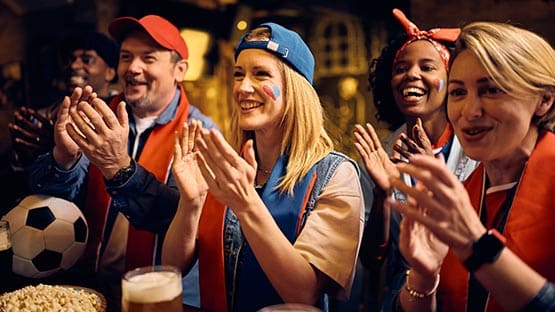
Hospitality businesses saw some of the clearest benefits. Supporters gathered before matches, returned after the final whistle, and filled pubs for games shown on television. Boston offered an early example when Scottish supporters packed local bars so heavily that some operators had to arrange emergency beer deliveries.
Restaurants created supporter breakfasts, themed menus, takeaway offers, and match-day packages. These promotions helped operators attract visitors without suggesting an official connection to FIFA. Football-related editorial content also covered other forms of recreation used during breaks between fixtures. A reference such as rabbit road casino can appear as one example of online leisure without changing the article’s main focus or sounding commercial.
Higher customer numbers also created operational pressure. Restaurants needed extra staff, faster table turnover, more refrigeration, and larger food deliveries. Simplified menus helped kitchens serve more customers during the short periods before and after matches.
Accommodation and transport demand increased
Hotels and short-term rentals recorded higher interest around fixture dates. Many visitors booked several nights because they planned to attend more than one match or spend time exploring the host city. Some rental owners raised nightly prices, while others focused on longer stays and early reservations.
Transport companies benefited from airport arrivals, stadium trips, and travel between city centers and suburban accommodation. Taxi firms, private drivers, shuttle operators, and car rental companies all had opportunities to serve supporters unfamiliar with local transport systems.
Visitor spending also reached businesses far from stadiums. Guests purchased breakfast, groceries, medicine, phone accessories, clothing, and travel supplies near their accommodation. This allowed suburban retailers and service companies to benefit from football tourism.
Some travellers searched for inexpensive online recreation during quiet periods, including information about online pokies minimum deposit $5. Such a link works naturally when presented as a small example of budget-conscious entertainment rather than a direct tournament offer.
Retailers used local identity to compete
Independent retailers could not match the advertising budgets of official sponsors, but they had an advantage in local knowledge. Shops sold city-themed shirts, scarves, mugs, hats, and limited-run football products connected to neighborhood culture.
Visitors often wanted souvenirs that reflected the host city rather than standard licensed merchandise. This gave local designers, printers, artists, and clothing stores a chance to create products with a clear regional identity.
Geo-targeted advertising also helped smaller firms reach people near transport stations, fan zones, hotels, and stadium districts. Community pages and local creators promoted cafés, retailers, and pop-up sellers to visitors searching for nearby options.
| Business type | Main source of demand | Common response |
| Restaurants and bars | Match-day crowds | Longer hours and shorter menus |
| Hotels and rentals | Multi-night stays | Extra staff and flexible check-in |
| Retail shops | Souvenirs and daily supplies | Limited-run local products |
| Transport firms | Airport and stadium trips | Added drivers and shuttle routes |
| Tour companies | Interest in local culture | Short city and football tours |
Higher sales came with extra costs
Strong sales did not always produce strong profits. Businesses faced overtime wages, inventory expenses, temporary permits, security costs, and higher supplier prices. Companies that ordered too much stock risked being left with unsold products after supporters travelled to another host city.
Trademark restrictions created another concern. Small businesses could not use protected FIFA names, logos, or images in promotions that suggested an official partnership. Owners had to rely on neutral football language, city references, and community events.
Road closures and crowd-control measures also produced mixed results. A bar beside a fan zone could record its busiest week, while a retailer on a restricted street might lose regular customers. Location, pedestrian access, and transport planning played major roles in determining which businesses benefited.
Local programs helped companies prepare
Several host regions introduced training, visitor campaigns, rewards programs, and business-readiness projects. Kansas City’s KC Game Plan helped local firms assess staffing, logistics, promotion, and event preparation.
New York and New Jersey used visitor check-ins and rewards to direct supporters toward participating businesses. Other host cities promoted commercial opportunities linked to hospitality, tourism, logistics, retail, and event services.
These projects gave owners useful information about match schedules, permits, transport changes, expected crowds, and visitor behavior. Firms that prepared early were better able to manage demand without losing control of costs.
Long-term value depends on future customers
The lasting value of the tournament may appear after the final match. Businesses that collected customer feedback, gained social followers, and formed partnerships with hotels or tour companies could turn temporary traffic into future sales.
The 2026 tournament gave local firms rare access to large international crowds, but commercial gains were not automatic. Businesses that planned early, controlled spending, respected trademark rules, and focused on local character had the strongest chance of converting a short-term rise in demand into lasting growth.
This content is provided for informational purposes only and is not a substitute for professional advice. AFP editorial staff were not involved in the creation of this content.

 Share
Share