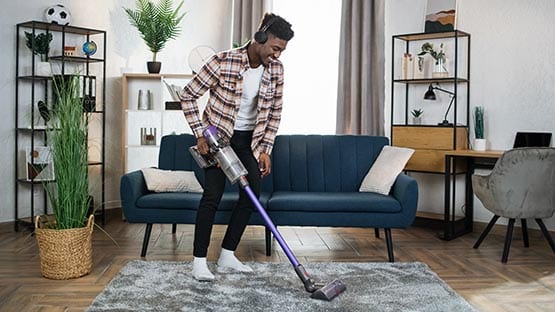
Keeping floors clean can feel like a never-ending task, especially in busy households. Between children coming home from school, pets moving between rooms, everyday cooking and shoes bringing dirt indoors, floors often need attention more frequently than other parts of the home.
For families across Virginia, from Staunton and Waynesboro to Charlottesville and Harrisonburg, a practical floor-care routine can make everyday cleaning more manageable. Rather than waiting until dirt builds up, a few simple habits and the right cleaning tools can help maintain a comfortable, tidy living space without spending an entire weekend on household chores.
Why floors collect dirt so quickly in active homes
Entryways, kitchens and hallways are often the first places where dirt becomes noticeable. Shoes can carry soil, small stones and moisture indoors, while pets may leave behind loose hair, paw marks and debris.
Kitchens present another challenge. Crumbs, cooking splashes and accidental spills can quickly turn a clean floor into a surface that needs attention. In homes with children and pets, these small messes can happen several times a day.
The key is to recognize that different types of dirt require different cleaning approaches. Dry dust and pet hair are not the same as sticky spills or muddy footprints. Choosing an appropriate cleaning method for each situation can make regular maintenance easier and more effective.
Start with a simple entryway routine
One of the easiest ways to reduce indoor dirt is to prevent as much of it as possible from entering the home.
A practical entryway setup does not require expensive equipment or complicated organization. Start with a durable outdoor doormat to remove loose dirt from footwear. Add a washable indoor mat to catch remaining moisture and smaller particles.
A designated shoe area can also help prevent dirt from spreading into living spaces. Families with pets may benefit from keeping a small towel near the entrance to wipe muddy paws before animals move further inside.
These small steps are particularly useful during rainy periods, when wet shoes and paws can leave marks across hard floors. Regularly shaking out outdoor mats and washing indoor mats also prevents accumulated dirt from becoming another cleaning problem.
Match the cleaning method to the floor and the mess
Not every floor requires the same cleaning tool. A dry vacuum is generally useful for collecting loose dust, crumbs, hair and other dry debris. A conventional mop can handle suitable hard-floor surfaces that need occasional wet cleaning.
For households dealing with both dry debris and everyday spills, a wet-dry floor cleaner offers another option. These appliances combine vacuuming and washing functions in a single cleaning process, making them useful for compatible sealed hard floors.
Before choosing a cleaning appliance, check the flooring manufacturer’s maintenance recommendations. Hardwood, laminate, tile and vinyl surfaces can have different care requirements. Even sealed floors may have restrictions on water exposure or cleaning solutions.
Understanding these differences helps prevent unnecessary moisture exposure and protects the condition of flooring over time.
When a wet-dry floor cleaner can simplify daily cleanup
Kitchens, dining areas and entryways are common places for mixed messes. Crumbs, small food spills and muddy marks may require more than a quick pass with a dry vacuum.
A wet-dry floor cleaner can be useful in these situations because it is designed to collect debris while washing compatible hard surfaces. Instead of switching between separate cleaning tools, households can handle certain everyday messes in one cleaning session.
For example, the Tineco FLOOR ONE S7 Stretch Ultra is a wet-dry floor cleaner intended for bare floors. Its listed features include iLoop smart sensing, dual-sided edge cleaning and one-touch self-cleaning. Tineco also lists a clean-water tank capacity of 1 liter and a runtime of up to 50 minutes for this model.
Another option in the premium category is the Tineco FLOOR ONE S9 Artist Pro. It is designed for hard-floor cleaning and includes features such as smart dirt sensing, dual-sided edge cleaning and one-touch self-cleaning.
Households exploring this category can compare available wet dry vacuum options to understand which type of appliance best suits their floor-care needs.
A tineco vacuum mop may be particularly useful for families who regularly deal with food crumbs, light spills and tracked-in dirt on compatible hard floors.
However, these appliances are not universal cleaning solutions. They should not be treated as carpet or upholstery cleaners. Always check the manufacturer’s floor compatibility guidance before using a wet-dry machine, particularly on wood and other moisture-sensitive surfaces.
Pet hair, rugs and furniture: Use the right tool
Pet owners know that hair rarely stays in one place. It can collect along skirting boards, settle into rugs and become trapped between sofa cushions.
Although wet-dry floor cleaners can help with certain messes on hard floors, a dry cordless vacuum is generally a better choice for pet hair on carpets, rugs and suitable furniture surfaces.
The Tineco PURE ONE S50 Pro is an example of a cordless dry-vacuum option. Tineco’s US product information lists features including smart suction adjustment, a ZeroTangle brush and up to 95 minutes of runtime. Its intended role is different from that of a wet-dry floor washer.
For households comparing dry cleaning options, a tineco vacuum can be explored alongside other tools designed for everyday dust, crumbs and pet hair.
A useful approach is to vacuum rugs and furniture regularly, then use an appropriate floor-cleaning method for sealed hard surfaces. This keeps each appliance working within its intended purpose.
Build a realistic weekly floor-cleaning routine
A good cleaning routine does not need to involve deep cleaning every day. Consistency matters more than trying to complete every household task in one session.
A manageable weekly approach could include:
- Daily: Remove visible crumbs and loose debris from kitchen and dining areas. Check entryway mats and wipe muddy paw marks when needed.
- Several times a week: Vacuum rugs, carpets and furniture where pet hair and dust accumulate.
- As needed: Use a compatible wet-dry floor cleaner or suitable mop for spills and marks on sealed hard floors.
- Weekly: Clean high-traffic areas more thoroughly, including hallways, kitchen corners and spaces around furniture.
- After appliance use: Empty dirty-water containers, clean brushes and filters as directed, and allow removable components to dry according to the manufacturer’s instructions.
Following the appliance manual is important because proper maintenance helps prevent residue buildup and unpleasant odors.
This content is provided for informational purposes only and is not a substitute for professional advice. AFP editorial staff were not involved in the creation of this content.
Support AFP



 Share