A signed waiver at the park gate can make an injury claim feel hopeless. In reality, signing one does not automatically erase every legal right a visitor has. Courts look closely at the exact waiver wording and at how the injury happened. Questions about what a signed waiver covers get direct answers at Salamati Law Personal Injury Attorney. Understanding where those waiver protections end can help you decide your best next move. Here is how waivers work and when a lawsuit may still be possible today.
What a liability waiver really covers
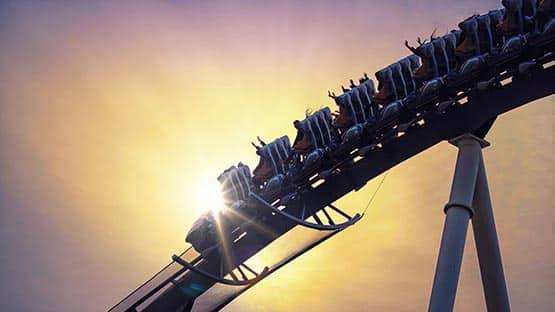
A waiver is a contract where you agree not to sue over certain risks. Parks use these agreements to limit claims tied to the normal risks of rides. If a rider gets jostled on a coaster, the waiver usually covers that kind of bump. After a restraint gives way mid-ride, the park faces a lawsuit over injuries sustained on the ride. Vague or hidden waiver language is also less likely to hold up in court. Read what you signed, and save a copy of the agreement if you can.
When gross negligence changes the picture
If a ride operator waves guests on despite a known safety problem, the waiver often fails to shield the park. Gross negligence means an extreme failure to use even basic care to protect guests. Ignoring known safety problems or skipping required ride inspections could sometimes fit that description. Intentional harm is another area where a signed waiver usually offers very little protection. The exact rules differ by state, so local law often shapes the final outcome. Because of that, an attorney should review the waiver and the facts together carefully.
Ride malfunctions and maintenance failures
A rider hurt because a ride’s brakes failed usually has an easier time proving the park was at fault. Loose bolts, worn brakes, faulty restraints, and broken tracks often point to maintenance problems. Before any guest climbs aboard, a maintenance crew has to inspect the ride and fix whatever looks worn. A waiver about normal risks does not automatically cover a ride that was unsafe. If a ride has a history of repairs, the park’s own maintenance logs often show what went wrong. A lawyer can request these records, which visitors usually cannot get on their own.
Injuries caused by staff or other guests
Employees sometimes make mistakes, like a ride operator who skips a basic safety check. If an operator lets a child board despite the posted height limit, the park answers for what follows. Injuries also happen when a crowd is packed into a narrow line, and no guard is nearby. Other guests may be at fault too, and sometimes the park shares that responsibility. If a guest slips on a wet walkway by the pool, the waiver question comes up all over again. The park’s position weakens fast if an employee notices the spill by the pool and keeps walking.
Steps to take after an injury
Get medical care right away, even if your injuries seem small at the time. Report the incident to park staff and ask them to write an incident report. Take photos of the ride, your injuries, and the area where it all happened. Collect names and phone numbers from witnesses, and keep your tickets and receipts safe. Avoid posting about the accident online, since insurers may search social media for details. Do not sign any settlement or statement before getting legal advice about the waiver.
Getting hurt where you came to have fun is frustrating enough without extra worry. That waiver you clicked through back then doesn’t automatically mean you’re out of luck. What counts is what actually went wrong and whether the park saw it coming. If something felt off about the ride, trust that instinct and write it down. Hold onto your tickets, photos, and medical records, because they’ll matter down the road. Then have someone qualified look at your situation so you’re not left guessing alone.
This content is provided for informational purposes only and is not a substitute for professional advice. AFP editorial staff were not involved in the creation of this content.



 Share