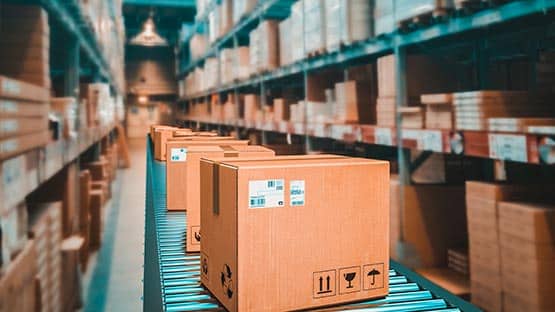
Automated packaging lines connect packaging machines, conveyors, sensors, and control systems to streamline manufacturing processes. When properly designed, these systems improve production efficiency, maintain consistent packaging quality, and reduce manual handling. However, successful automation depends on compatible equipment and effective production planning.
What are automated packaging lines?
An automated packaging line is a connected system of machines that performs multiple packaging operations with limited human intervention. Unlike individual packaging machines, these systems coordinate several processes to maintain consistent production.
Depending on the product, automated packaging systems may handle feeding, filling, sealing, labeling, inspection, case packing, and palletizing. Integrated controls allow equipment to operate together, reducing the need for manual product transfers.
These systems are widely used in food and beverage manufacturing, pharmaceuticals, cosmetics, and consumer goods. However, configurations vary depending on packaging materials, product characteristics, and production requirements. For example, bottled beverages require different equipment than powders packaged in flexible pouches.
How do automated packaging lines work?
Automated packaging lines move products through connected processing stations. First, feeding equipment introduces products or empty containers into the system. Conveyors then transport them between machines for filling, sealing, labeling, and inspection.
After primary packaging, products may move to case packing and palletizing stations for storage or distribution. The sequence depends on the product and packaging format.
Sensors monitor product movement, while automated controls coordinate machine speeds and timing. In semi-automated systems, operators perform selected tasks. Fully automated systems handle more operations independently, although personnel still oversee production, replenish materials, and maintain equipment.
What equipment is used in automated packaging lines?
The configuration of automated packaging equipment depends on product characteristics, container types, production capacity, and automation requirements. Most systems combine primary packaging machinery with conveyors, inspection equipment, and end-of-line packaging solutions.
Filling, sealing, and labeling equipment
Filling machines measure and dispense liquids, powders, or other products into containers. Sealing machines close packages, while capping equipment secures closures on bottles and jars.
Automatic labeling machines apply branding, product identification, and required information to finished packages.
Some applications use form-fill-seal machinery, which forms, fills, and seals packages within one integrated system rather than using separate machines for each operation.
Conveyors, inspection, and end-of-line packaging
Conveyor systems transport products between packaging stations, supporting continuous material movement. Bottle unscramblers can also be integrated into automated packaging lines to orient and organize empty bottles before they move to filling and other downstream processes.
Quality inspection systems, including sensors, checkweighers, and vision technology, help identify packaging defects or incorrect fill weights. Further downstream, case packing machines group finished products into shipping containers.
Robotic palletizing systems can then stack cases onto pallets for distribution. Proper packaging line integration ensures these components operate at compatible speeds, reducing bottlenecks and unnecessary production interruptions.
What are the benefits of automated packaging lines?
Automated packaging lines improve production efficiency by performing repetitive operations at consistent speeds. They can increase production capacity, reduce manual handling, and support uniform packaging quality across production shifts.
Integrated inspection equipment helps manufacturers identify defects, while automated labeling and tracking systems support product traceability. Additionally, automated controls make production performance easier to monitor.
These benefits depend on equipment selection, proper integration, and preventive maintenance. A poorly configured system may introduce bottlenecks instead of improving productivity.
Therefore, manufacturers should evaluate operational requirements carefully before investing in packaging automation.
What to consider when designing an automated packaging line
Effective packaging line design begins with understanding production requirements, not selecting individual machines. Manufacturers must evaluate product characteristics, packaging formats, available factory space, and equipment compatibility to create a reliable, coordinated production system.
Product requirements and production capacity
Product characteristics directly influence the selection of packaging equipment. Factors such as viscosity, container dimensions, packaging materials, and closure types determine which machines are suitable.
Manufacturers should also establish realistic production capacity requirements based on expected output and product variations.
For facilities handling multiple products, equipment flexibility and changeover times are especially important. Planning for future packaging formats can also reduce the need for expensive system modifications.
Equipment integration, layout, and quality control
Successful packaging line integration requires connected machines to operate at compatible speeds. Conveyors, filling equipment, sealing machines, and inspection systems must coordinate product movement to avoid bottlenecks.
Factory layout also affects performance. Adequate floor space, maintenance access, and efficient material handling help operators maintain reliable production.
Before full operation, manufacturers should test equipment synchronization, inspection accuracy, and rejection handling. These checks help identify potential problems before they disrupt production.
How to choose the right packaging automation solution
The right packaging automation solution depends on production volume, packaging complexity, available space, and budget.
Semi-automated equipment may suit smaller production runs, while fully automated packaging systems can support higher-volume manufacturing.
However, greater automation does not always deliver better results. Manufacturers should compare equipment compatibility, maintenance requirements, supplier support, and future scalability.
Prioritize machinery that supports reliable production across actual operating conditions rather than focusing exclusively on maximum machine speed.
Final thoughts
Automated packaging lines improve manufacturing by connecting equipment into coordinated production systems. Choosing compatible machinery, planning production requirements, and ensuring effective integration are essential for achieving consistent quality and long-term operational efficiency.
This content is provided for informational purposes only and is not a substitute for professional advice. AFP editorial staff were not involved in the creation of this content.


 Share